Arriving at the fifth hill of Istanbul only to find the Fethiye Museum's mosaic chapel closed behind restoration barriers is a frustrating setback for any Byzantine itinerary. The wider Pammakaristos complex is not simply a closed museum, however: its northern church section still functions as Fethiye Mosque. Knowing which part you can enter, what you will not be able to see, and how to plan the steep walk from Balat will save your afternoon.
- Museum status: The Fethiye Museum and its mosaic-filled parekklesion are closed for restoration.
- Mosque status: The northern church is still used as an active mosque; visitor access is separate from museum access and is not guaranteed outside prayer arrangements.
- Location: Fethiye Kapısı Sk., Çarşamba neighborhood, Fatih/Istanbul.
- Museum entry: Not available while the museum section is closed.
- Nearest transit: Fener bus stop or Cibali tram station (T5 line), followed by a steep uphill walk.
- Exterior viewing time: 15 minutes if the surrounding barriers allow a clear view.
Can You Enter Fethiye Mosque?
Yes, the northern church section remains an active mosque, but entering it is not the same as visiting the Fethiye Museum. The museum is the adjoining parekklesion, the side chapel that contains the surviving Byzantine mosaics, and that section is currently closed for restoration.
Access to the mosque should be treated as prayer access rather than guaranteed tourist access. Visit outside actual prayer times, dress modestly, remove your shoes, and follow the caretaker's instructions. The mosque is a working place of worship, so do not expect a museum route, interpretation panels, or access to the mosaic chapel. Women should also follow the designated prayer-area arrangements on site.
This distinction matters when planning the Balat and Fener walking route. If your main reason for going is to see the mosaics, postpone the visit until the museum section reopens. If you are interested in the layered history of a Byzantine church that continues to function as a mosque, the exterior and, when permitted, the prayer space still provide a worthwhile historical stop.
Is Fethiye Museum Open Right Now?
Unfortunately, the museum remains closed. The official museum listing states that the Fethiye Museum is closed because of renovation work, and it does not list a reopening date. The closure applies to the museum section with the mosaics, but does not affect the northern church's function as an active mosque.
Do not rely on older travel blogs describing a quiet afternoon inside the parekklesion. Check the current museum listing before making the steep trek up the hill, and remember that mosque access can follow prayer times and local site rules rather than museum opening hours.
What to See from the Outside During the Closure
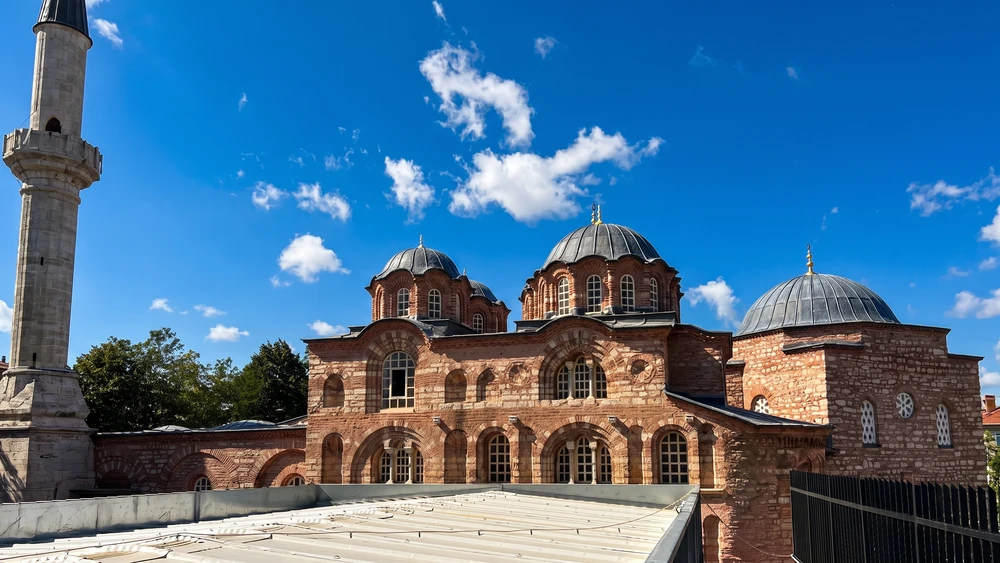
Even with the museum interior off-limits, the architectural footprint of the Pammakaristos Church remains an imposing sight. The exterior brickwork provides a textbook example of late Byzantine masonry.
The East Apse: Walk around the perimeter to view the intricate, decorative brick patterns on the apse exterior. The blind arcades and alternating stone-and-brick layers are classic features of Palaiologan architecture.
The Dome Structures: You can still spot the varied rooflines above the restoration work. The building features an asymmetrical cluster of domes, reflecting different phases of its expansion from an earlier church to the addition of the 14th-century burial chapel.
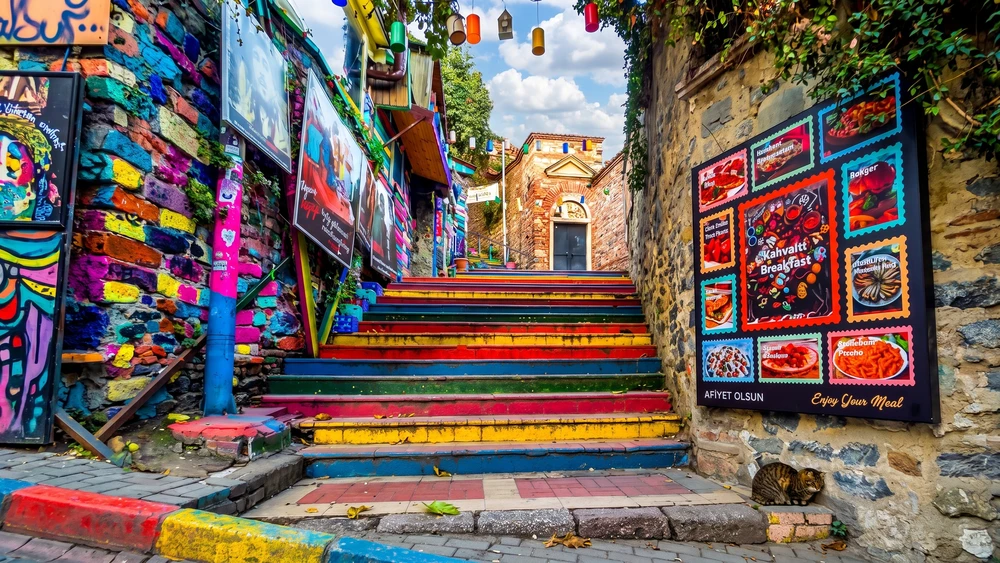
The Neighborhood Context: The surrounding Çarşamba area is deeply traditional and atmospheric. The contrast between the ancient Byzantine monastic complex and the daily life of the modern Islamic community around it offers a compelling cultural snapshot. The approach from Balat or Fener is also a good reason to combine the stop with a wider walk rather than making a separate trip only for the closed museum.
Inside the Parekklesion: The Byzantine Mosaics
Once the restoration barriers come down, the parekklesion, or side chapel, will once again reveal artwork that ranks among Istanbul's most important surviving Byzantine interiors. Commissioned by Maria, the widow of Byzantine general Michael Tarchaneiotes Glabas around 1310, this miniature cross-in-square chapel served as a monumental tomb.
The artistic program here is deeply intimate, designed specifically to ensure salvation for the deceased general.
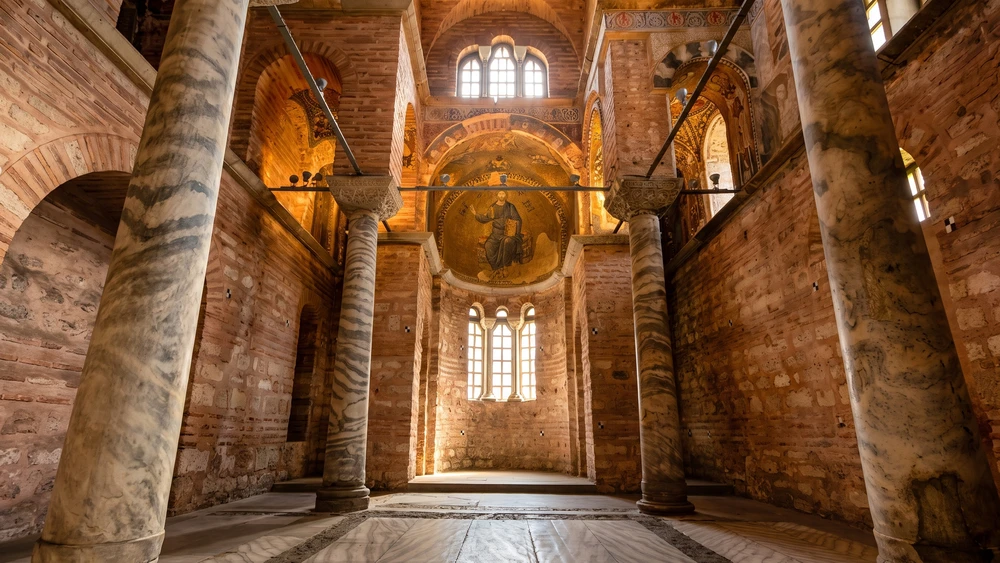
Christ Pantocrator: The main dome holds an intense, austere medallion of Christ looking down from heaven. Twelve uniquely characterized Old Testament prophets ring the drum below him, each holding scrolls referencing the Last Judgment.
The Deesis in the Apse: A beautifully rendered scene depicting Christ inscribed as Hyperagathos, or the Supremely Good. The Virgin Mary and St. John the Baptist flank him on the side walls, their hands raised in intercession for humanity.
The Baptism of Christ: Located in the southeast lunette, this is the only fully intact narrative scene remaining. It shows Christ standing in the Jordan River with the Holy Spirit descending as a dove.
Saints and Monks: The arches and upper corners are crowded with vividly detailed early Christian bishops and desert monks such as St. Anthony. Their faces are crafted with startling individuality.
The History of Pammakaristos Church
The origins of the Monastery of the Theotokos Pammakaristos, or Mother of God the All-Blessed, trace back to the Komnenian era in the 11th and 12th centuries. It functioned as a major spiritual center long before the Ottomans arrived.
The Seat of the Greek Orthodox Patriarchate
Following the 1453 conquest, the newly established Ottoman administration initially allowed the complex to remain in Christian hands. From 1456 until 1587, the Pammakaristos Church served as the official seat of the Greek Orthodox Patriarchate. It housed critical relics and the tombs of Byzantine royalty, acting as the administrative heart for the Christian population of the empire during that transitional century.
Conversion into Fethiye Mosque
The church's status shifted dramatically in the late 16th century. To commemorate the Ottoman capture of Georgia and Azerbaijan, Sultan Murad III ordered the building's conversion into a mosque in 1591, renaming it Fethiye, meaning Conquest Mosque.
The interior underwent major alterations. The original three-part sanctuary area was removed to create a qibla wall with a mihrab, arches opened the prayer space, and a minaret altered the skyline. The side chapel was partitioned off later and eventually came under museum authority, which allowed the uncovered mosaics to be preserved and displayed separately.
How to Get to Fethiye Museum and Mosque in Balat
Reaching the site requires navigating the steep, winding streets of Istanbul's fifth hill. The easiest approach avoids a direct climb straight up from the Golden Horn.
- Take the T5 Tram line to the Cibali or Fener stop.
- Alternatively, use buses running along the coastal road and exit near Fener.
- From the coastline, follow the Balat and Fener streets uphill toward Çarşamba.
Prepare for a sharp incline. Comfortable walking shoes are essential because the cobblestones can be uneven and slick. Visitors carrying small children or accompanying older people should allow extra time for the climb and consider approaching from the upper side of the hill where possible.
Best Alternatives to Visit Nearby
Since the Pammakaristos museum doors are currently locked, pivot your itinerary to other remarkable sites within walking distance.
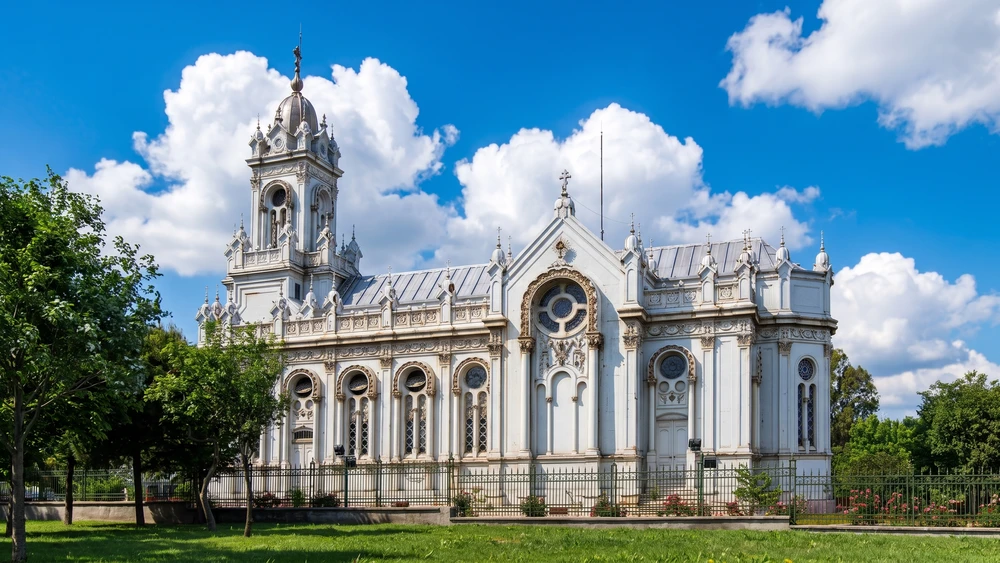
The Ecumenical Patriarchate of Constantinople: Located down the hill in Fener, the Church of St. George currently houses the Patriarchate. Check its opening hours and visitor guidelines before going.
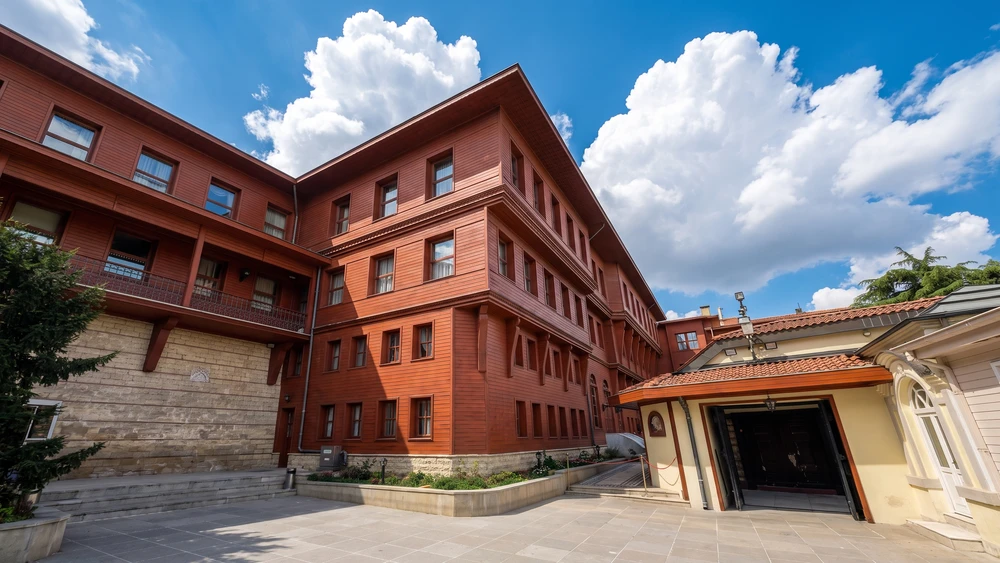
The Red School (Phanar Greek Orthodox College): You cannot normally go inside, but this towering red-brick, castle-like structure dominates the hill above the Patriarchate and provides a strong exterior photo stop.
Chora Mosque (Kariye): If you are seeking out Byzantine mosaics and frescoes, check the current operational status of Chora before travelling. It houses one of the most extensive collections of Palaiologan art in Istanbul.