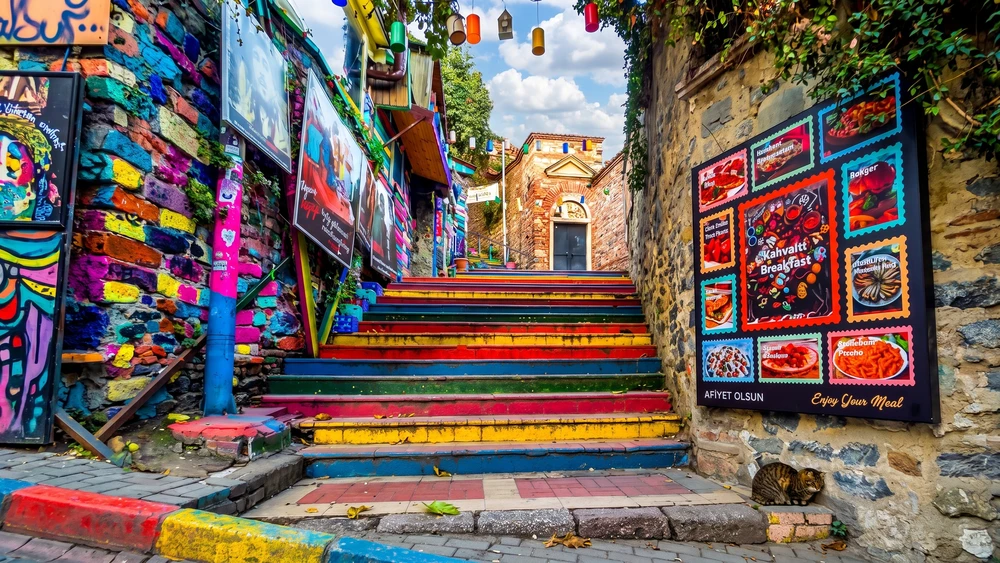
Strolling past Balat's brightly painted cafes, you might easily mistake the area for a modern photo set, completely missing the centuries of Sephardic Jewish history hidden behind those timber facades. The real story here isn't the recent coat of paint; it's the legacy of the 1492 Spanish migration, a multi-ethnic Ottoman sanctuary, and the historic synagogues that still anchor the Golden Horn.
- Location: European side, along the Golden Horn (Fatih district)
- Key landmarks: Ahrida Synagogue, Yanbol Synagogue, Surp Hresdagabet Church
- Ahrida access: Strict, requires an advance appointment via the Chief Rabbinate and a passport
- Getting there: T5 tram line (Balat station) or public ferries to the Balat pier
- Best time: Weekday mornings, to avoid heavy local tourism crowds
From 1492 to Today: How Sephardic Jews Shaped the Golden Horn
Balat's Jewish community included Romaniote residents after the Ottoman conquest in 1453. The real turning point arrived in 1492 when Sultan Bayezid II opened the empire's doors to Sephardic Jews expelled from Spain during the Inquisition. These newcomers settled along the Golden Horn, merging with the older Romaniote Jewish community already present in the area.
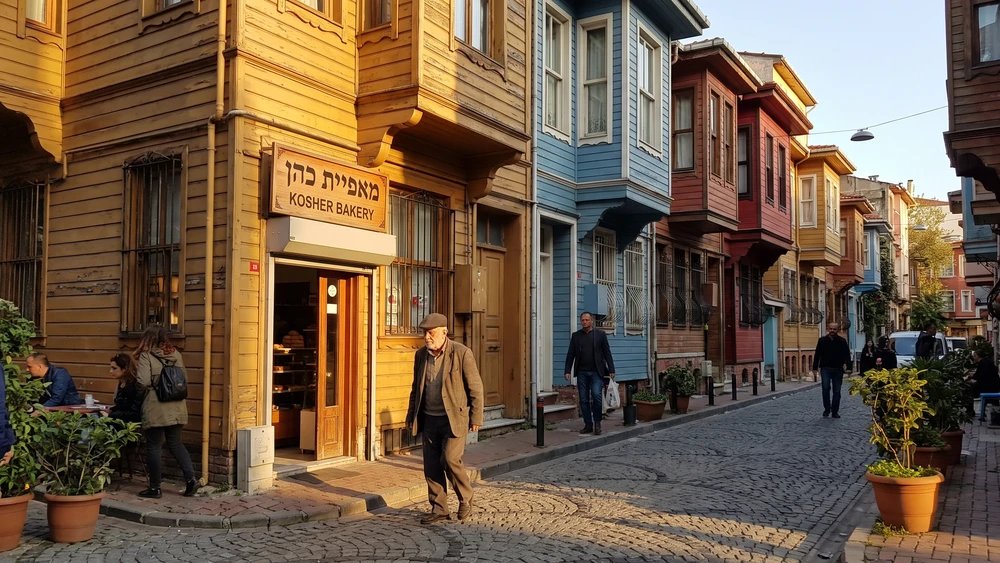
For centuries, the streets of Balat hummed with the sound of Ladino, the Judeo-Spanish language brought by the immigrants. Kosher bakeries, lively markets, and over a dozen active synagogues turned the neighborhood into a self-sustaining ecosystem. Jewish merchants, artisans, and doctors built a thriving community that defined the commercial rhythm of the district.
The Ottoman Millet System and Multi-Ethnic Coexistence
The neighborhood never belonged to just one group. Under the Ottoman millet system, religious communities governed their own internal affairs, allowing different faiths to live side-by-side.
- Greek Orthodox Fener: Just east and southeast of Balat, along the Golden Horn toward the historic waterfront hub of Eminönü, Fener served as the spiritual center for the Greek Orthodox world, housing the Ecumenical Patriarchate.
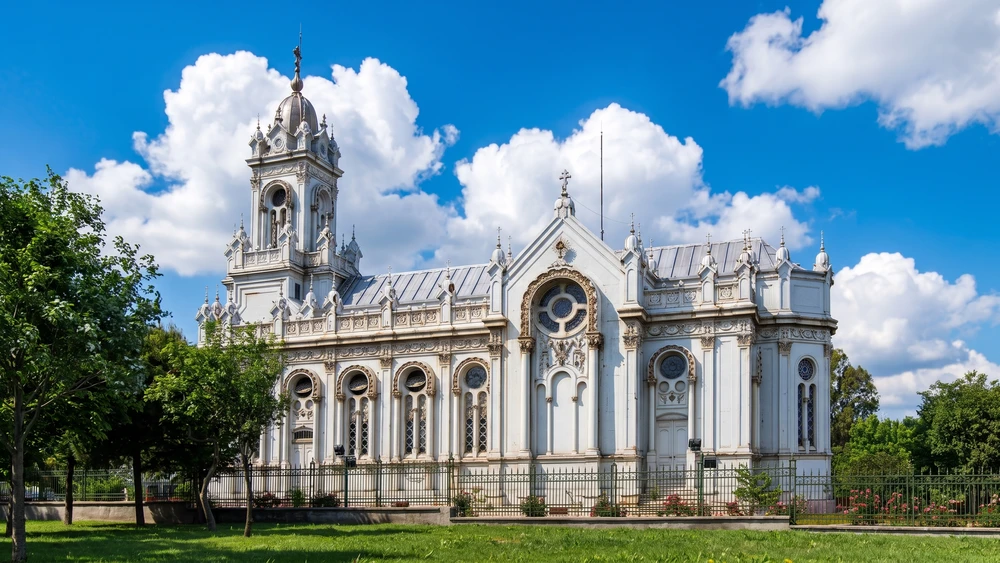
- Armenian and Bulgarian presence: Armenians worshiped at the Surp Hresdagabet Church, while the Bulgarian Orthodox congregation built the massive cast-iron Saint Stephen Church right on the waterfront.
Four major faiths coexisted within a few hundred meters. This layered demographic structure created a highly diverse merchant class and a unique architectural blend that you can still observe in the street plan today.

Key Historical Landmarks You Can Still Visit
Most of the original neighborhood burned down in devastating fires, particularly the blaze of 1911 that destroyed hundreds of buildings. However, key architectural survivors still stand, bearing Hebrew inscriptions and Stars of David on their corbelled facades.
Ahrida Synagogue: The Oldest Surviving Synagogue in Istanbul
Traditionally dated to the early 15th century and associated with Jews from the Macedonian city of Ohrid, the Ahrida Synagogue remains the oldest continuously active synagogue in Istanbul. The building features an elegant wooden dome and a luminous prayer hall supported by eight columns.
Its most striking architectural detail sits right in the center: a wooden reading platform (tevah, or bimah) shaped like the prow of a ship. This unique design explicitly recalls Noah's Ark and the Ottoman caravels that transported Sephardic Jews to safety. To see the magnificent ivory and mother-of-pearl inlaid doors, you must arrange a visit in advance through the Chief Rabbinate, as this is a living house of worship with strict security protocols.
The Yanbol Synagogue and 19th-Century Timber Mansions
A short walk from Ahrida brings you to the Yanbol Synagogue, originally established by a community from Bulgaria. Rebuilt during the 18th century, it features a beautifully painted wooden ceiling with floral motifs and finely carved columns.
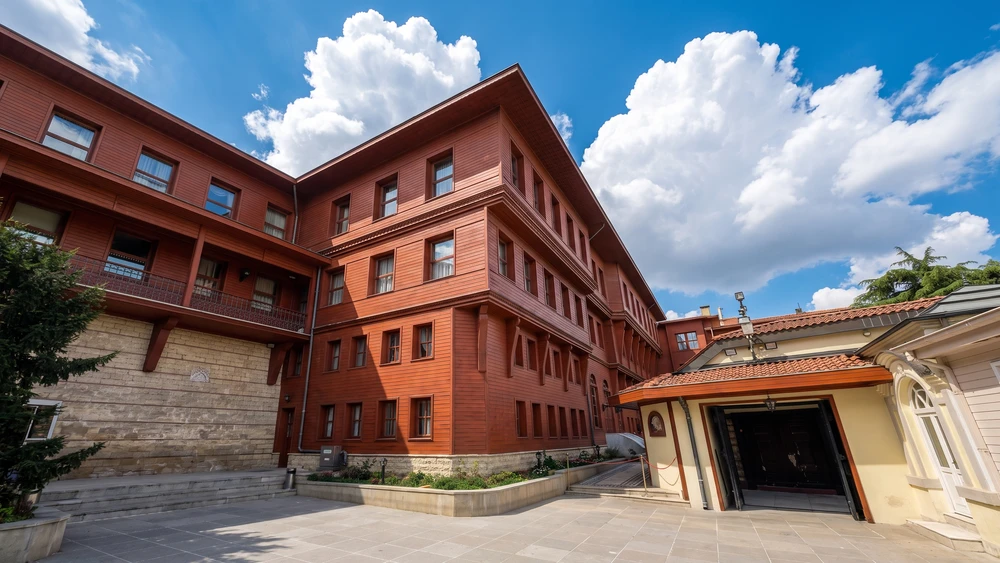
Surrounding these religious sites are Balat's signature 19th-century timber and stone homes. These three or four-story buildings feature projecting upper floors called cumba (bay windows) that lean out over the narrow, cobbled lanes. Originally built for affluent merchant families, these structures showcase the wealth of the multicultural era. Look closely at the doorways along Eski Kasap Street, where you can still spot faded Hebrew blessings carved into the stone lintels.
The 20th-Century Decline: The 1942 Wealth Tax and Emigration
The vibrant, mixed world of the Golden Horn unraveled during the mid-20th century. The Turkish government enacted the discriminatory Wealth Tax (Varlık Vergisi) in 1942, imposing devastating financial burdens on non-Muslim minority businesses. Many established families lost their livelihoods overnight.
This economic blow, combined with the political unrest and targeted violence of the 6 to 7 September 1955 Istanbul pogrom, fractured the community's sense of safety. Successive waves of emigration followed, with thousands leaving for the newly established state of Israel or moving to more modern Istanbul districts like Şişli. By the late 1980s, the historic Jewish quarter sat mostly abandoned, its grand timber houses left to decay or occupied by impoverished rural migrants.
Gentrification and Pop Culture: The 'Çukur' Effect on Balat
Today, the neighborhood experiences a completely different kind of wave. After restoration projects began decades ago, the neighborhood has recently seen a massive influx of third-wave coffee shops transformed the dilapidated streets into a highly profitable tourism hub.
The catalyst for this recent explosion was the massive success of the Turkish television series Çukur (The Pit). Filmed extensively in the area, the show brought hordes of domestic tourists eager to take selfies at iconic filming locations. Historic homes received bright, highly saturated paint jobs specifically to cater to Instagram culture. While this gentrification saved many buildings from collapse, it also created a stark contrast: a surface-level pop-culture frenzy masking a deep, somber history of migration, tolerance, and eventual displacement.

Balat's layered past connects naturally to Istanbul's other Ottoman-era landmarks. The Topkapi Palace, former seat of the sultans who welcomed the Sephardic community, and the Grand Bazaar, built on the same centuries of multi-ethnic trade, both make natural additions to a history-focused day in the city. Travelers heading further into the old city's underground history can also compare notes at the Basilica Cistern, another survivor of Istanbul's layered past.