Relying on unpredictable domestic ferries from Providenciales to reach the outer Turks and Caicos islands easily ruins a tight travel schedule. The launch of direct American Airlines flights from Miami in March 2025 bypassed that bottleneck, opening up the deep-water trenches and abandoned salinas of South Caicos without stripping away its remote, edge-of-the-map atmosphere.
- Location: Southeastern end of the Turks and Caicos archipelago (locally called "The Big South")
- Flight time: 2 hours direct from Miami (MIA) or 20 minutes from Providenciales (PLS)
- Best for: Wall diving, bonefishing, and exploring historic salt flats
- Key marine life: Spotted eagle rays, Caribbean reef sharks, humpback whales (January to April)
- Vibe: Highly isolated, uncrowded, zero cruise ship traffic
How to Get to South Caicos
Direct Flights from Miami and Providenciales
Accessibility to the island shifted dramatically with the introduction of the direct American Airlines route from Miami. This 2-hour flight lands you straight on the runway of South Caicos Airport (XSC), skipping the Provo crowds entirely. If you are already on Providenciales, a 20-minute domestic hopper flight remains the most reliable transit method between the islands.
Ferry Options to Cockburn Harbour
The marine route involves a 90-minute ferry ride from Providenciales to Seaview Marina in Cockburn Harbour. Channel waters get choppy depending on the trade winds, so skip the ferry and book a flight instead if you are traveling with sensitive camera gear or suffer from seasickness easily.
Diving and Water Activities
The eastern coast of South Caicos borders a massive ocean trench, where the fringing reef drops from about 25 meters down to an abyss of 300 meters. That drop-off creates high-visibility wall dives directly offshore, along with a submerged plane wreck tied to the island's 1970s and 80s smuggling history, now home to resident nurse sharks.
Divers who enjoyed the Bianca C wreck in Grenada or the reef life around St Vincent and the Grenadines will recognize the same visibility and pelagic action here. A separate, more detailed dive guide covering the individual wall sites, the wreck, and the local coral nursery is planned for South Caicos.
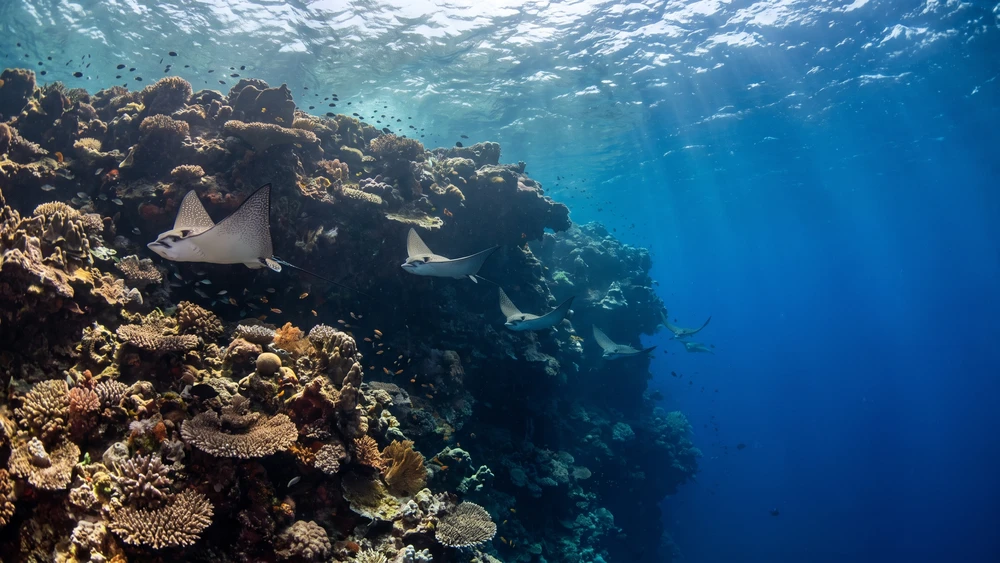
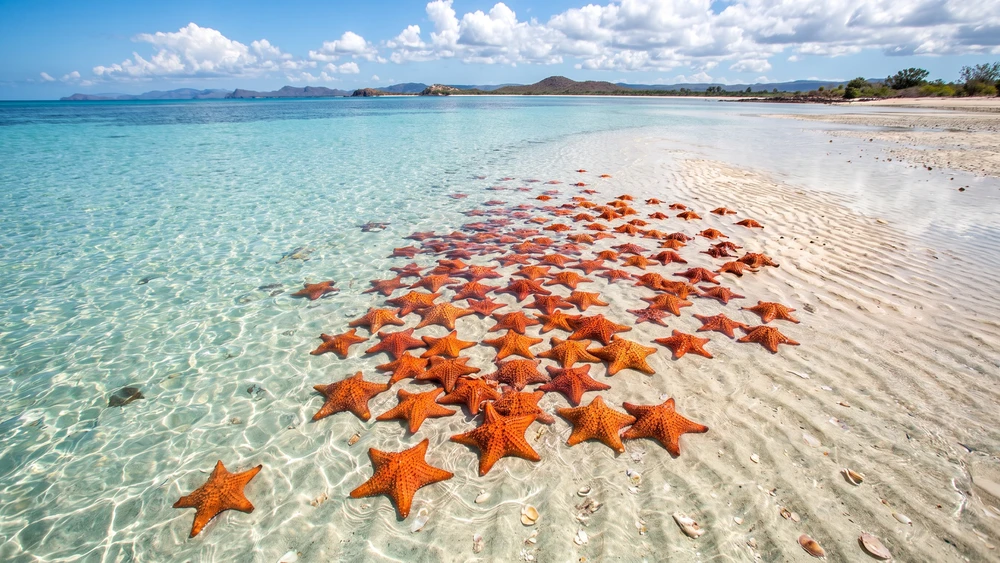
Away from the reef, the Caicos Banks offer miles of crystalline, knee-deep flats where local guides track bonefish and barracuda across pristine shallows, the water clear enough that you spot the fish long before you cast the line. Starfish Alley, a shallow sandbar dense with bright-orange cushion starfish, needs only a mask and snorkel to explore. If you visit between January and April, the deep waters off the coast also become a migration corridor for humpback whales, sometimes visible breaching from the island's higher elevations at low tide.
The Salt Trade and the Salinas Today
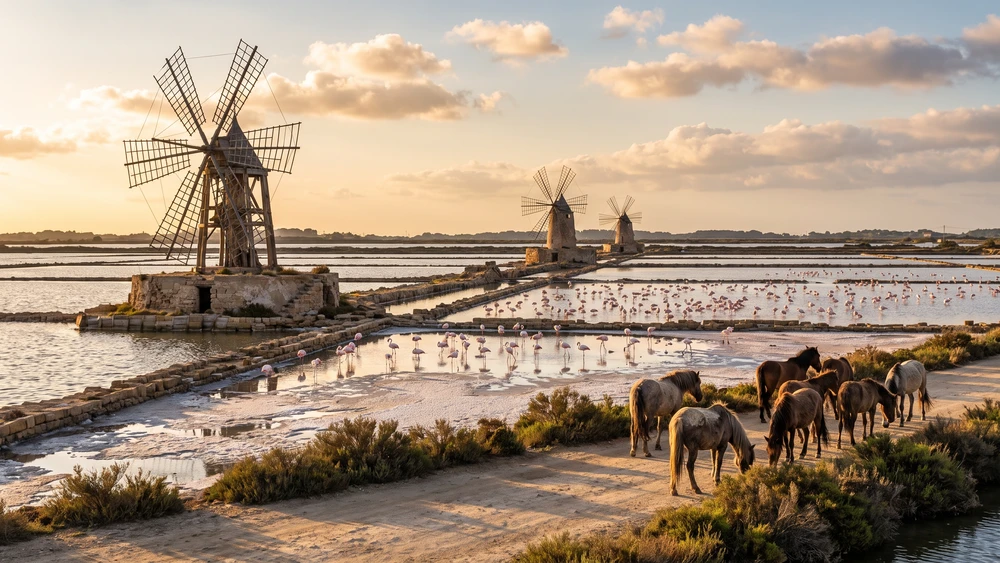
Before fishing and tourism took over, South Caicos dominated the regional sea salt trade, producing more salt by the mid-1800s than the rest of the country combined. The old dividing walls, sluice gates, and windmills of that industry are still visible across the landscape, and a natural subterranean tidal passage known as the Boiling Hole once fed ocean water into the evaporation pans. A dedicated guide to that history and the walking routes through the salinas is planned separately.
What remains today is a thriving wetland ecosystem: flocks of pink flamingos gather in the abandoned salt pans each morning to feed in the briny water, and wild donkeys and horses, descendants of animals used during the salt industry's peak, still roam the dirt roads near Cockburn Harbour.
Where to Stay and Eat
The island's accommodation scene leans heavily into secluded luxury. Salterra Resort sits on an 80-acre property with a large private beach and hosts the island's primary dive operator, Adventures by Salterra. Sailrock offers a similarly high-end residential community feel nearby.
For local dining, head into Cockburn Harbour. Sunset Grill serves local jerk chicken, while Dolphin Grill focuses on the daily conch and lobster catch. If you or a travel partner need a strictly vegetarian routine, coordinate directly with the chefs at Salterra's Brine restaurant in advance, since the island's local supply chain is built almost entirely around fresh seafood.