Getting a stomach bug or a bad sunburn on a remote Caribbean island can turn an expensive vacation into a logistical nightmare, especially when the nearest pharmacy does not carry your usual medication. Preparing your health checklist before you fly to Saint Kitts and Nevis is just as important as packing your swimsuit.
- Emergency number: 911 for both police and medical assistance
- Main hospitals: JNF General Hospital (Basseterre, St. Kitts) and Alexandra Hospital (Charlestown, Nevis)
- Yellow fever proof is required only if you arrive from a transmission-risk country
- Tap water is treated, but bottled or filtered water is the safer choice
Recommended Vaccinations for Saint Kitts and Nevis
Routine Boosters and Hepatitis A
You do not need a massive list of exotic vaccines to enter the country, but staying up to date on routine shots is a smart move. Check your records for Tetanus-Diphtheria and MMR (Measles, Mumps, Rubella) before traveling. Hepatitis A is highly recommended for most travelers, as it can easily spread through contaminated food or water, even in high-end resorts. If your trip involves intense rural exploration or an extended stay, talk to a healthcare provider about Hepatitis B, Typhoid, and Rabies vaccines.
Do You Need the Yellow Fever Vaccine?
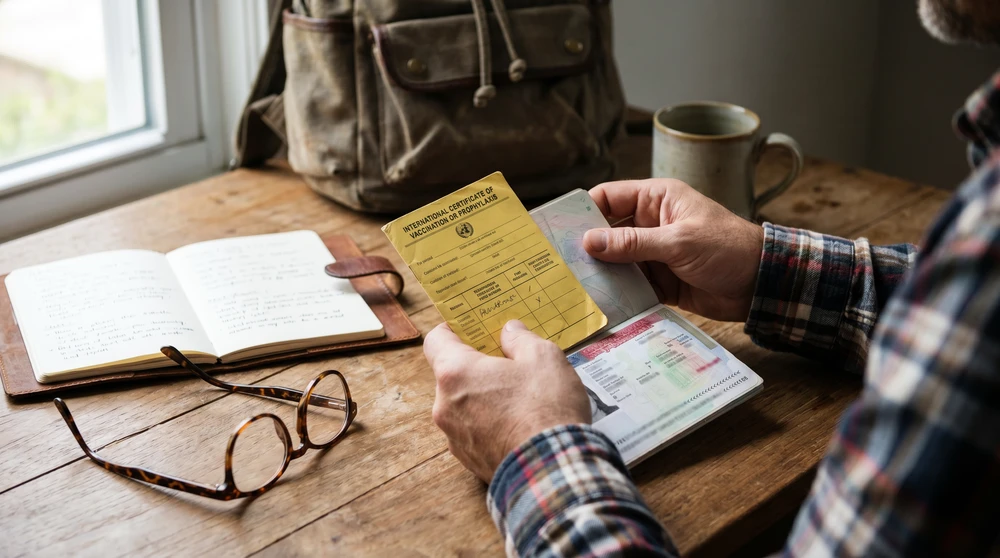
The islands themselves are free of Yellow Fever. However, border officials strictly enforce entry requirements if you are arriving from a region where the disease is active, such as certain parts of South America or Africa. In that case, you must present a valid Yellow Fever vaccination certificate. Coming straight from the US, UK, or Europe means you can skip this requirement entirely.
Mosquito-Borne Illnesses: Dengue, Zika, and Chikungunya
Practical Protection Against the Aedes Mosquito
The Aedes mosquito, which is highly active during the day, transmits Dengue, Zika, and Chikungunya viruses across the Caribbean, with risk climbing during the wetter months. There are no widely available vaccines for these illnesses, making bite prevention your primary line of defense.
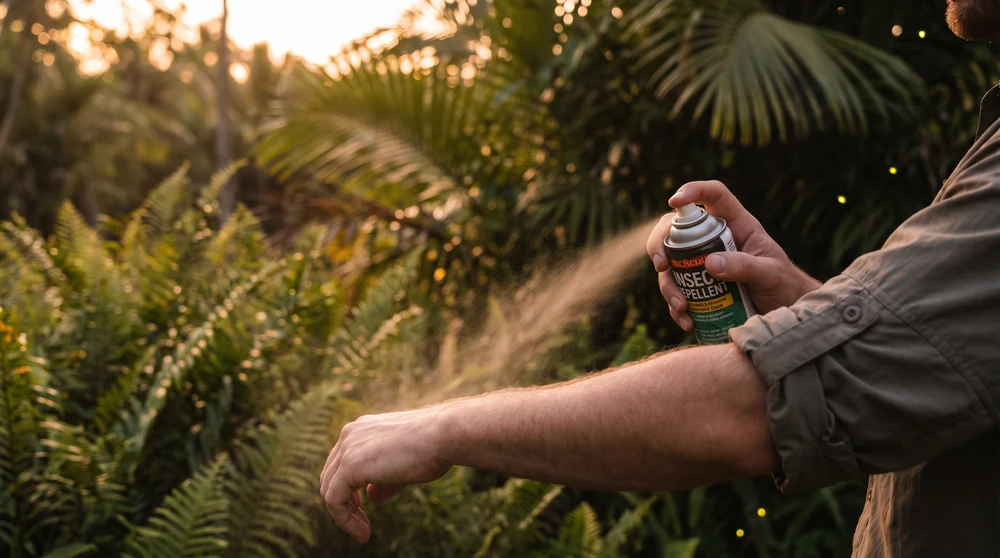
Pack a high-quality insect repellent containing at least 20% DEET or Picaridin. Apply your sunscreen first, let it dry, and then spray the repellent. When hiking or spending time in heavily wooded areas, wear loose, light-colored, long-sleeved clothing. At night, ensure your accommodation has intact window screens or keep the air conditioning running, as mosquitoes prefer warm, stagnant air. Pregnant travelers should consult their doctor before visiting, due to the specific risks associated with the Zika virus.
Packing Your Travel First-Aid Kit
Essential Medications and Wound Care
Island pharmacies are functional but relatively limited. They rarely stock every specific brand of medication you might use back home. Bring an ample supply of any personal prescription medications, keeping them clearly labeled in their original bottles.
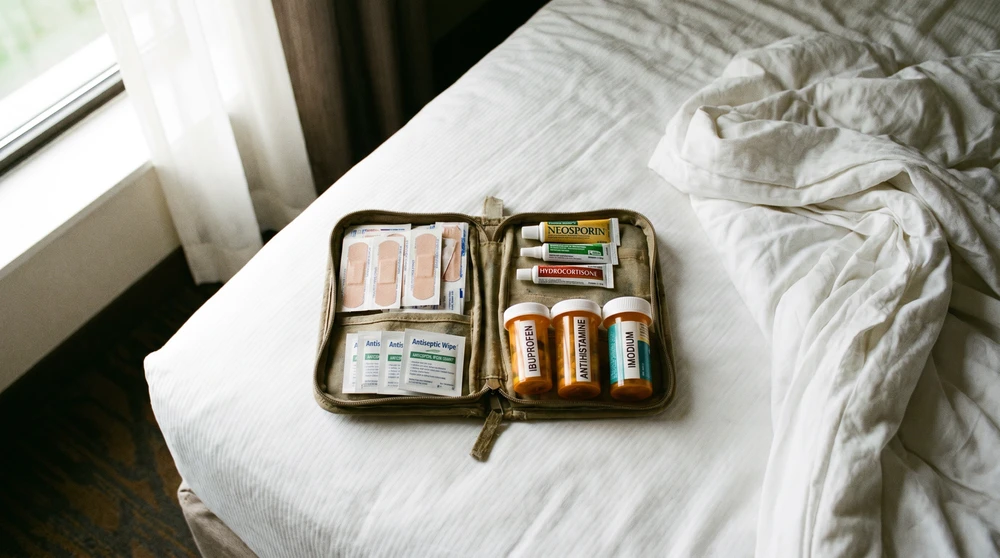
Your baseline kit should include pain relief (ibuprofen or acetaminophen), oral rehydration salts, and an anti-diarrheal like loperamide. Minor scrapes from coral or hiking trails can quickly become infected in tropical climates. Pack antiseptic wipes, a topical antibiotic ointment, and a handful of waterproof bandages. Aloe vera gel and a mild hydrocortisone cream will help soothe inevitable insect bites or mild sunburns.
Managing Motion Sickness on Inter-Island Ferries
The ferry ride crossing the Narrows on a day trip to Nevis is beautiful, but the water can get surprisingly choppy. If you are prone to seasickness, bring motion-sickness tablets. Take them at least an hour before boarding the boat to ensure a smooth, nausea-free crossing.
Medical Care and Hospitals on the Islands
JNF General Hospital (St. Kitts) and Alexandra Hospital (Nevis)
Healthcare facilities on the islands provide adequate basic care for minor injuries and routine illnesses. Joseph N. France (JNF) General Hospital is located in Basseterre on St. Kitts, while Alexandra Hospital serves the smaller island of Nevis in Charlestown. Expect standard clinic capabilities, but do not anticipate highly specialized trauma centers, hyperbaric chambers for deep diving accidents, or advanced surgical units.
Why Medical Evacuation Insurance is Crucial
In the event of a severe medical emergency, heart complication, or complex injury, patients are typically air-evacuated to a larger medical facility in the region or back to the US. This type of private medical flight is incredibly expensive. Purchasing comprehensive Travel insurance with medical cover that explicitly includes emergency medical evacuation is an absolute necessity before your trip.
Sun, Heat, and Drinking Water Safety
The Caribbean sun is intense, and the UV index remains high even on cloudy days. Apply a broad-spectrum, high-SPF sunscreen multiple times a day, especially after swimming or excessive sweating. Heat exhaustion sneaks up quickly when you are distracted by sightseeing, so plan your most strenuous activities for the early morning.
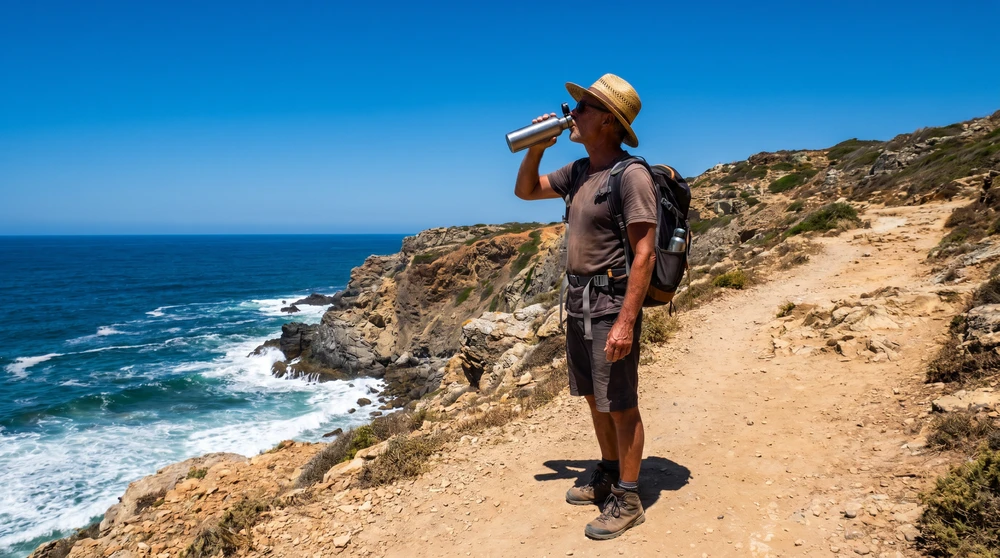
Hydration is critical. While the local tap water is chemically treated and technically safe for brushing teeth or washing up, drinking bottled or filtered water is the safest bet for foreigners. The mineral content and local bacteria profile of island water can sometimes trigger mild stomach distress in unaccustomed travelers. Stick to bottled water to keep your digestion on track and prevent dehydration.