Navigating the dining scene across these two islands often means wasting vacation hours figuring out the difference between overpriced resort menus and the authentic spots where locals actually gather.
Knowing which water taxi to take for the best Nevisian goat water or where to find a proper Kittitian saltfish breakfast saves serious time and budget. The food culture here blends West African slow-cooking, British colonial baking, and fresh Caribbean seafood into a layered cuisine that rewards travelers willing to step off the resort path.
- Currency: Eastern Caribbean Dollar (XCD), but US Dollars are accepted almost everywhere
- Budget per person: US$10 to US$20 at local shacks, US$50 to US$120+ for fine dining
- Tipping: 10% to 15% is standard, but check first because many places automatically add a 10% service charge
- National dish: stewed saltfish with spicy plantain, seasoned breadfruit, and coconut dumplings
- Signature drink: Ting with a Sting (grapefruit soda spiked with local CSR rum)
- Annual food event: St. Kitts and Nevis Restaurant Week runs in July, expanded for 2026 to a full Culinary Month
Traditional Kittitian and Nevisian Dishes You Must Try
Getting the true taste of the Caribbean requires stepping away from international menus. The local cuisine relies heavily on fresh catches, root vegetables, and bold spice blends, with two slow-cooked dishes anchoring almost every authentic table.
For a guided introduction without the guesswork, the Basseterre Munch Food Tour walks visitors through three to four local stops in the capital with tastings included, which is the fastest way to taste the headline dishes in one afternoon.
Stewed Saltfish (the national dish)
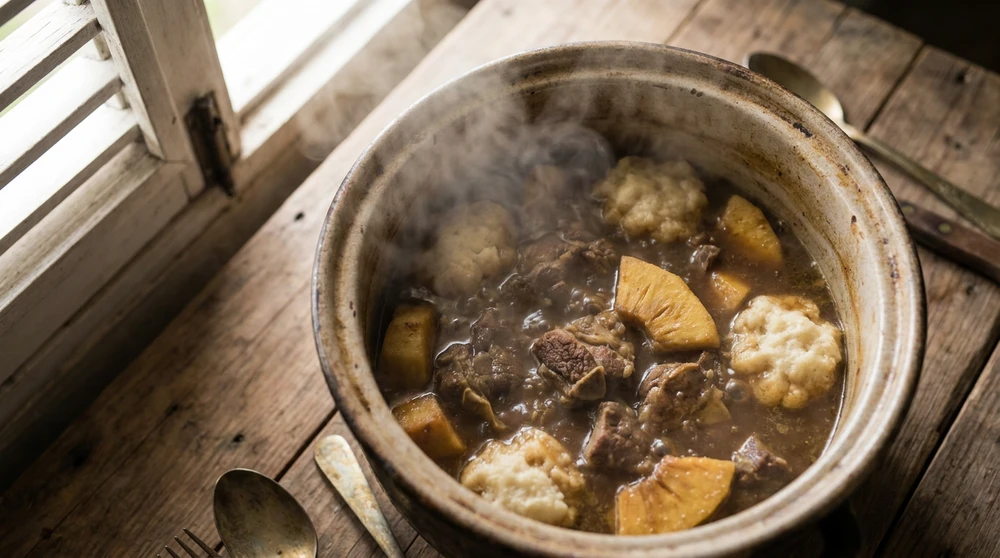
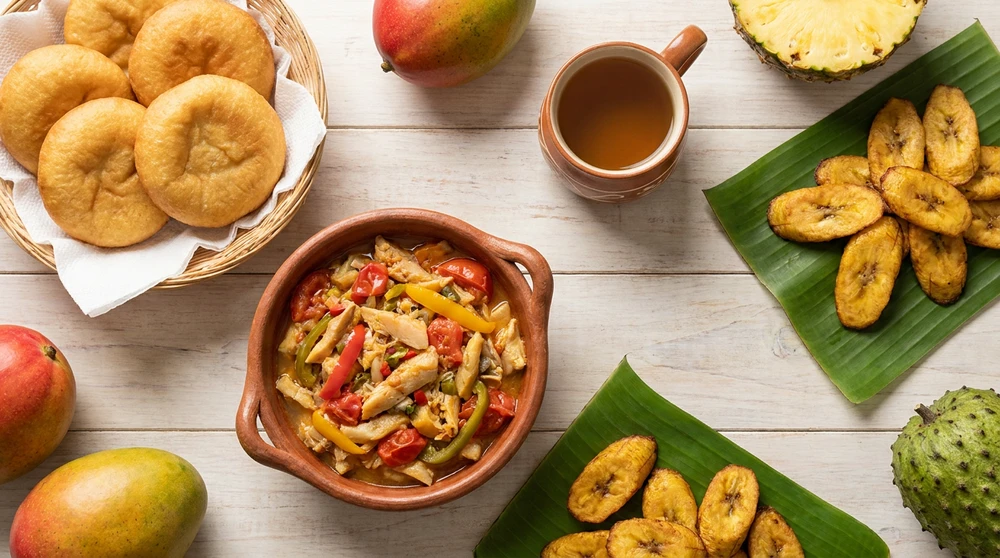
This is the undisputed national dish, chosen in a 1990s federation-wide competition that replaced goat water as the official symbol of Kittitian cuisine. Cooks soak salted cod overnight to remove excess brine, then simmer it slowly with bell peppers, onions, tomatoes, and local spices.
It almost always arrives plated with spicy plantain, seasoned breadfruit, and coconut dumplings. Eating this for breakfast supplies enough heavy carbs and protein to keep you full until late afternoon, which is why locals treat it as a weekend morning ritual.
Goat Water
Do not let the name deter you. Goat water is a rich, savory stew packed with tender cuts of goat meat, yams, and dumplings, all thickened with a touch of flour and seasoned with cloves and thyme. It functions as the ultimate Caribbean comfort food. Locals traditionally gather to eat this hot, peppery broth on weekends, after late-night parties, or at festival weekends. Bananas Restaurant on Nevis is famous for serving it from a traditional coal pot.
Conch Fritters and Fresh Seafood
You cannot leave the islands without eating conch. These meaty sea snails are chopped, mixed into a heavily spiced batter, and deep-fried until golden brown. They are crispy outside, chewy inside, and pair with a sharp local hot sauce. Mahi-mahi, wahoo, and Caribbean rock lobster also dominate the fresh catch menus, typically served grilled with rice and peas. A cold drink in hand makes the Caribbean heat much more manageable.
Black Pudding, Johnny Cakes, and Other Local Staples
Beyond the headline dishes, two breakfast items show up everywhere: black pudding (a spiced sausage of pig's blood and rice eaten as a morning snack) and Johnny cakes (fried dough rounds often paired with saltfish). Sweet finishes include sugar cake (chewy coconut-and-sugar candy dyed pink or white) and tamarind balls (sour-sweet-spicy bites rolled by hand). These are usually street food, not menu items.
Iconic Island Drinks
The drinking culture here revolves around casual socializing, known locally as liming. Rum is the spine of that culture, but a single grapefruit soda has become the unofficial daytime beverage.
Ting with a Sting
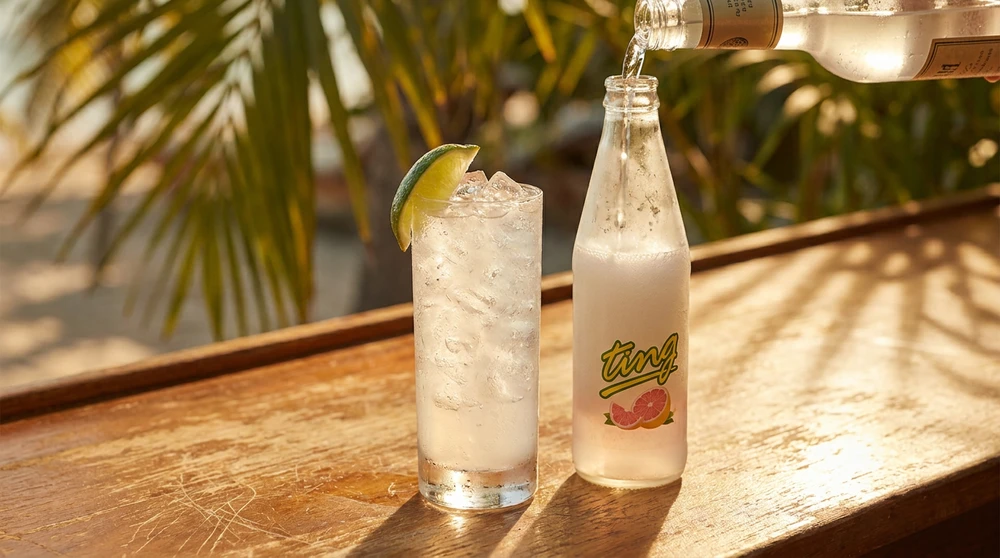
Ting is a tart, mildly sweet grapefruit soda popular across the anglophone Caribbean. The sting happens when bartenders pour a generous shot of Cane Spirit Rothschild (CSR), a local white rum, straight into the bottle. It is dangerously refreshing. The citrus masks the alcohol completely, making it the perfect daytime beach drink. The standard pour ratio is 5 parts Ting to 1 part CSR, often finished with a wedge of fresh lime.
CSR, Brinley Gold, and the Local Rum Scene
CSR began in the 1980s when Baron Edmund de Rothschild built a distillery on St. Kitts to produce a cane juice spirit closer in style to French Caribbean rhum agricole than to Jamaican molasses rum. The brand is now blended and bottled locally but sourced through Demerara Distillers of Guyana.
Brinley Gold Shipwreck Rum is the second local label, launched in 2003 and known for its spiced, vanilla, mango, lime, and coffee variations. Carib Lager and Skol are the everyday commercial beers found in every cooler, with small microbreweries adding seasonal passionfruit or mango ales.
Best Places to Eat in St. Kitts
The southern peninsula offers the highest concentration of quality dining, balancing barefoot luxury with energetic beach culture. Knowing where to sit down for a meal matters just as much as what you order.
Beach Bars at Cockleshell Bay
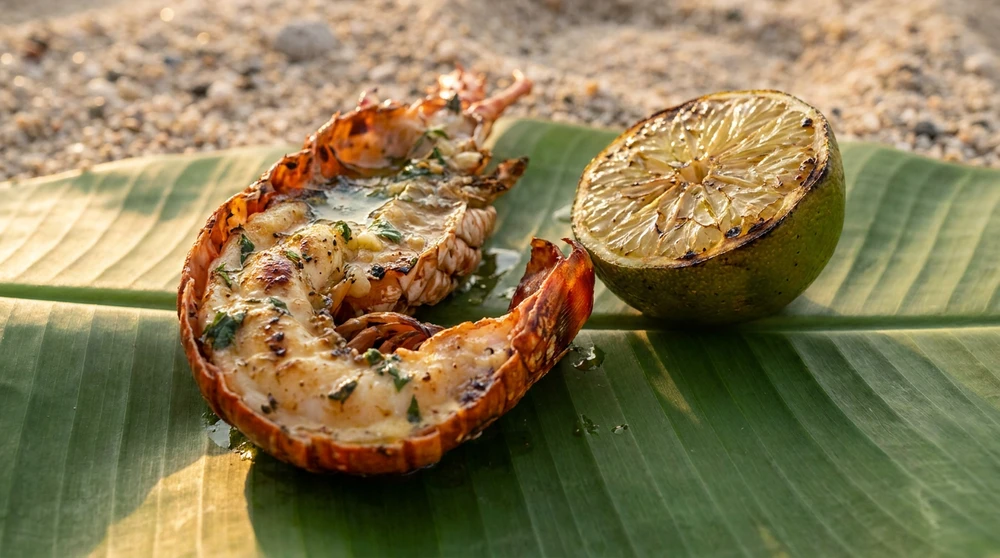
**Cockleshell Bay** is the epicenter of the St. Kitts liming scene. Places like Reggae Beach Bar & Grill define this stretch of sand. The vibe is loud, the grills smoke constantly with jerk chicken, and water sports rentals keep the shoreline busy. Full beach chair service is included. Grabbing a plate of grilled ribs while watching the ferries cross over to Nevis is a staple island experience.
Sprat Net Bar & Grill, Old Road Town
On the west coast in Old Road Town, Sprat Net is the locals' Friday and Saturday night fixture. The rustic beachside pavilion serves Caribbean rock lobster with butter, fresh red snapper, ribs, and grilled shrimp, with sides of corn on the cob, potatoes, and Johnny cakes. Live music plays Wednesdays and weekends, and the venue is closed Monday and Tuesday. Service can be slow when the place fills up, so plan a long evening.
Marshalls and Fine Dining on the Southeast Peninsula
If you want exclusivity and high-end culinary execution, the **Southeast Peninsula** delivers. Marshalls, set poolside above Frigate Bay, anchors the upscale category with candle-lit tables and views across the bay.
Establishments like Orchid Bay Beach House blend traditional Italian cooking with fresh Caribbean ingredients. Wood-fired pizzas and handmade pastas dominate the menu there. Coastal views are spectacular, seating is reservation-only, and the environment stays remarkably quiet compared to the beach bars.
Nevisian Culinary Highlights
Taking the quick 45-minute ferry across the narrows completely shifts the culinary landscape. Nevis operates at a slower pace, and its food scene reflects that relaxed, unhurried lifestyle.
Pinney's Beach Shacks
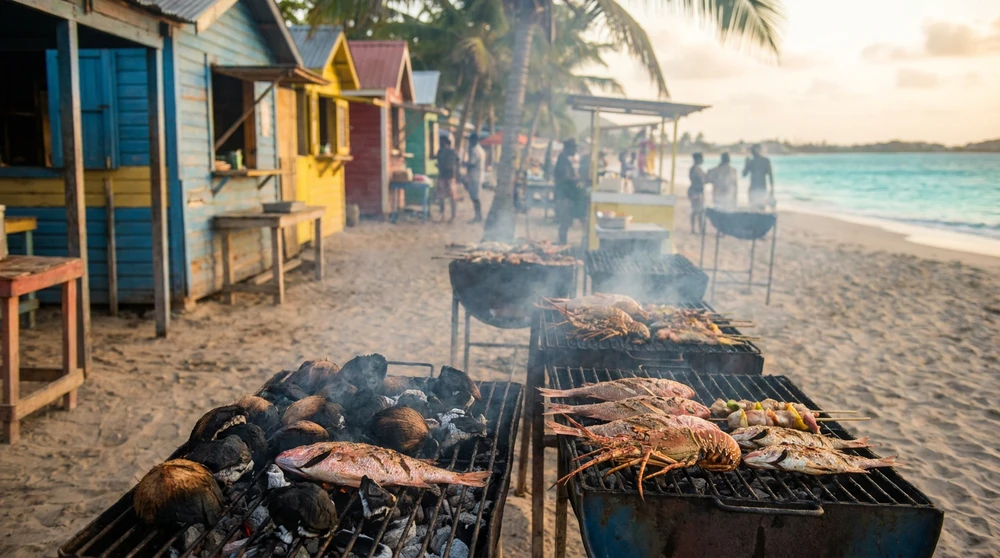
Pinney's Beach hosts a legendary lineup of rustic, colorful beach bars. Sunshine's Beach Bar & Grill, run by Llewellyn "Sunshine" Caines since 1991, is the most famous of these and is known for its lethal Killer Bee rum punch and grilled lobster.
Other wooden shacks serve massive portions of spicy shrimp and rum punches that pack a serious punch. Service runs on island time, meaning you might wait an hour for your food. Use that time to swim, listen to the reggae playing from the speakers, and embrace the slow rush.
Plantation Inn Dinners and Bananas Restaurant
For something more structured, Nisbet Plantation Beach Club hosts a Thursday-night Beachside BBQ with steel band accompaniment and creole dishes including goat water. Bananas Restaurant, perched on a hill within the Hamilton Estate, serves fiery goat water in a traditional coal pot and is one of the most reliable spots on the island for the dish.
St. Kitts and Nevis Restaurant Week and Culinary Month
The federation's biggest food event is St. Kitts and Nevis Restaurant Week, which expanded into a full Culinary Month throughout July 2026 to celebrate its tenth anniversary. Fixed-price menus, tasting showcases, charity dinners, and twilight galas run across both islands.
The two featured ingredients for 2026 are carrot and passionfruit, woven into competition dishes. Headline events include the St. Kitts Tasting Showcase at Eco Park (mid-July), the Grill Fest at Frigate Bay Lawn, and the Nevis Tasting Showcase at Mount Nevis Hotel Lawn. Tickets sell out quickly, so book directly through the official Restaurant Week site.
Food Prices and Tipping Etiquette
Managing a food budget here requires understanding the dual pricing system. Many local spots list prices in Eastern Caribbean Dollars (XCD), while high-end tourist restaurants often print menus in US Dollars (USD). Always confirm the currency before ordering.
- Street food and local plates: a hearty serving of chicken, rice, and macaroni pie costs around US$10 to US$15
- Beach bars: expect to pay US$18 to US$25 for a burger or fish sandwich
- Upscale restaurants: dinner entrees start at US$35 and can easily exceed US$60 for steak or lobster
Check your receipt carefully. A 10% service charge and a 12% government tax are frequently added to the final bill automatically. Leaving an extra 5% in cash for exceptional service is appreciated by waitstaff but not mandatory if the service charge is already applied. Tap water is safe to drink federation-wide, so there is no need to budget for bottled water unless you prefer it.