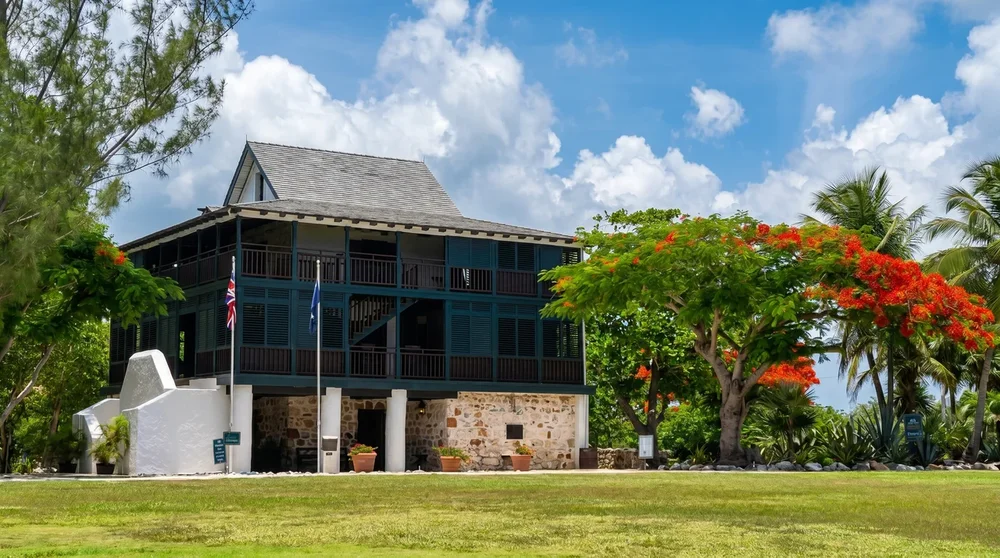
Pedro St. James sits on seven acres of ironshore clifftop in Savannah, a 20-minute drive east of George Town. Built around 1780 from coral stone and mahogany, it is the oldest surviving structure in the Cayman Islands and the site of two of the most significant moments in Caymanian history. Visiting it means stepping inside a building that has witnessed both the birth of democracy and the end of slavery on the island.
Before you plan your trip, check the Cayman Islands Entry Requirements page for up-to-date visa rules, and decide Where To Stay Grand Cayman so you can plan your timing accordingly.
The History Behind Pedro St. James
The estate was built by William Eden, a British planter, around 1780. At the time, the coral stone great house stood as the largest and most imposing structure on an island of thatched-roof cottages. The building changed hands several times over the following decades before cementing its place in Caymanian history during two defining events.
In 1831, the assembly gathered at Pedro St. James to establish the first elected parliament in the Cayman Islands, earning the estate its title as the Birthplace of Democracy. Four years later in 1835, the proclamation freeing enslaved people across the British Empire was read aloud from the steps of the great house. Both events are now central to the guided tour experience.
The property fell into ruin during the 20th century and was restored by the Cayman Islands government in the 1990s. It reopened as a national historic site in 1998.
What to See at Pedro St. James
The 3D Multi-Sensory Theatre
Every visit begins at the theatre, where a short film uses practical effects, including wind, mist, thunder, and directional rain, to recreate the harsh conditions facing early settlers. The presentation runs on the hour and provides context that makes the rest of the tour substantially more meaningful. Skipping it leaves the house tour feeling incomplete.
The 18th-Century Great House
The three-story great house is the centrepiece of the site. Thick coral stone walls keep the interior cool even in the height of summer, and the original mahogany doors and wooden beam ceilings have been carefully restored. The ground floor contains period-accurate furnishings and a life-size mannequin that catches visitors off guard in the lower-light rooms. Step out onto the wraparound verandas for unobstructed views of the Caribbean Sea crashing against the ironshore cliffs below.
The upper two floors are accessible only by steep wooden stairs, so visitors with limited mobility may need to remain on the ground floor and the surrounding grounds.
The International Scuba Diving Hall of Fame
Tucked onto the property is a compact museum dedicated to the pioneers of recreational diving. Vintage equipment, photographs, and memorabilia trace the development of the sport, and the Cayman Islands' own significant role in the history of scuba diving receives prominent coverage. Allow 15 to 20 minutes here before heading to the great house.
The Grounds and Wildlife
The seven landscaped acres surrounding the great house are home to free-roaming iguanas, chickens, and the occasional Cayman rabbit. Hermit crabs appear near the ironshore cliffs, and several species of tropical birds nest in the manicured gardens. The giant rope swing at the far end of the lawn is a reliable favourite with younger visitors.
Thatch & Barrel Restaurant and Rum Tasting
The onsite restaurant occupies a shaded patio with panoramic sea views. It serves a mix of Caymanian dishes and lighter international options, and the sunset timing makes it a popular spot for a post-tour drink. The rum tasting experience here focuses on the 1780 Rum, an exclusive blend produced specifically for the estate that is not available anywhere else in the Cayman Islands. A separate CI$8 session runs during the day. Grabbing a bottle from the gift shop is the most practical way to take the experience home.
Ticket Prices and Opening Hours
Pedro St. James is open daily from 8:30 am to 5:00 pm, with the last guided tour departing at 4:00 pm. The site is closed on Christmas Day and Good Friday. Multi-sensory theatre presentations begin every hour.
Admission for a guided tour is CI$20 per adult and CI$10 per child (ages 3 to 12). A self-guided option is available for CI$15 per adult. The rum tour can be added separately for CI$8 per person. Children under three enter free. Residents with valid local ID receive discounted rates.
For context on the broader budget required to visit the island, the How Much Does It Cost To Visit The Cayman Islands article provides a detailed breakdown.
Guided vs. Self-Guided Tours
The guided tour is the recommended choice for a first visit. Local guides connect the physical spaces to the historical events, weaving in island folklore and personal family stories that bring the rooms to life in a way that the signage alone cannot achieve. The self-guided route offers more flexibility for visitors who want to linger in the gardens or explore at their own pace, but it requires some background knowledge to fill in the narrative gaps.
You can Book your visit through GetYourGuide to check tour times and compare options alongside other Grand Cayman experiences.
How to Get to Pedro St. James
The estate is located in the Savannah district, approximately 20 to 25 minutes from Seven Mile Beach by car. A rental car is the most convenient option, and the site has ample free parking directly beside the visitor centre.
Cruise passengers arriving in George Town can take a taxi from the terminal directly to the estate. Independent taxis are a better choice than large group excursion buses, which can arrive at the site in numbers large enough to disrupt the quieter atmosphere the estate works best in.
Public buses serve the coastal road but drop passengers at a walking distance from the entrance. In the midday heat, the walk is uncomfortable. If public transport is your only option, aim for an early morning departure.
For dining options near the Savannah area after your visit, the Grand Cayman Local Restaurants guide covers the best locally-run spots across the island.
Practical Tips Before You Go
Timing matters: The early morning session avoids both the sharpest heat and the arrival of cruise group tours. Late afternoon is the next best option and coincides with the best light for photographs from the veranda.
Wear the right shoes: The ironshore cliffs behind the property are photogenic but dangerously sharp and uneven. Trainers or closed-toe shoes are strongly recommended over sandals.
Plan for the heat: The estate involves significant outdoor walking across exposed grounds. A hat, sunscreen, and a water bottle are essential between April and October.
Check the gift shop: Beyond the exclusive 1780 Rum, the visitor centre houses a room dedicated to a historic Cayman postage stamp collection that regularly surprises visitors who stumble across it.
Talk to the guides: The staff and guides maintain deep personal connections to the island's heritage. The anecdotes they share are consistently the most memorable part of the visit.
For a broader picture of what to expect before you arrive, the Best Time To Visit Cayman Islands guide covers seasonal weather patterns and crowd levels.