Monaco packs ten distinct neighborhoods into just 2.02 square kilometers, making it the world's second-smallest sovereign state by area. Understanding how each district sits in relation to the sea, the Rock, and the cliff face matters far more here than in any typical city, because a flat map hides the steep vertical geography that shapes daily movement. Booking a stay without understanding that geography often means dragging luggage up hundreds of steep public stairs.
Monte Carlo: The Center of Glamour and Luxury
High-end boutiques line the streets, perfectly manicured gardens separate the avenues, and the hum of luxury engines echoes off the Belle Epoque facades. The Casino Square area is relatively walkable, making it highly walkable compared to the upper wards.
Monte Carlo is frequently confused with Monaco itself. It is simply one specific district, originally developed around the casino complex. The area houses the iconic Carré d'Or, holding the highest concentration of luxury retail and premium hospitality in the principality. The Casino de Monte-Carlo anchors the entire quarter and remains the most visited landmark in the state.
Walk through the main square at dawn. The heavy afternoon crowds are absent, leaving the intricate architecture completely unobstructed for observation.
Larvotto: The Beachfront Lifestyle
Salty breezes, wide shaded promenades, and a distinctly relaxed Mediterranean pace define this eastern strip. Larvotto sits right on the water, featuring the principality's primary public and private beaches.
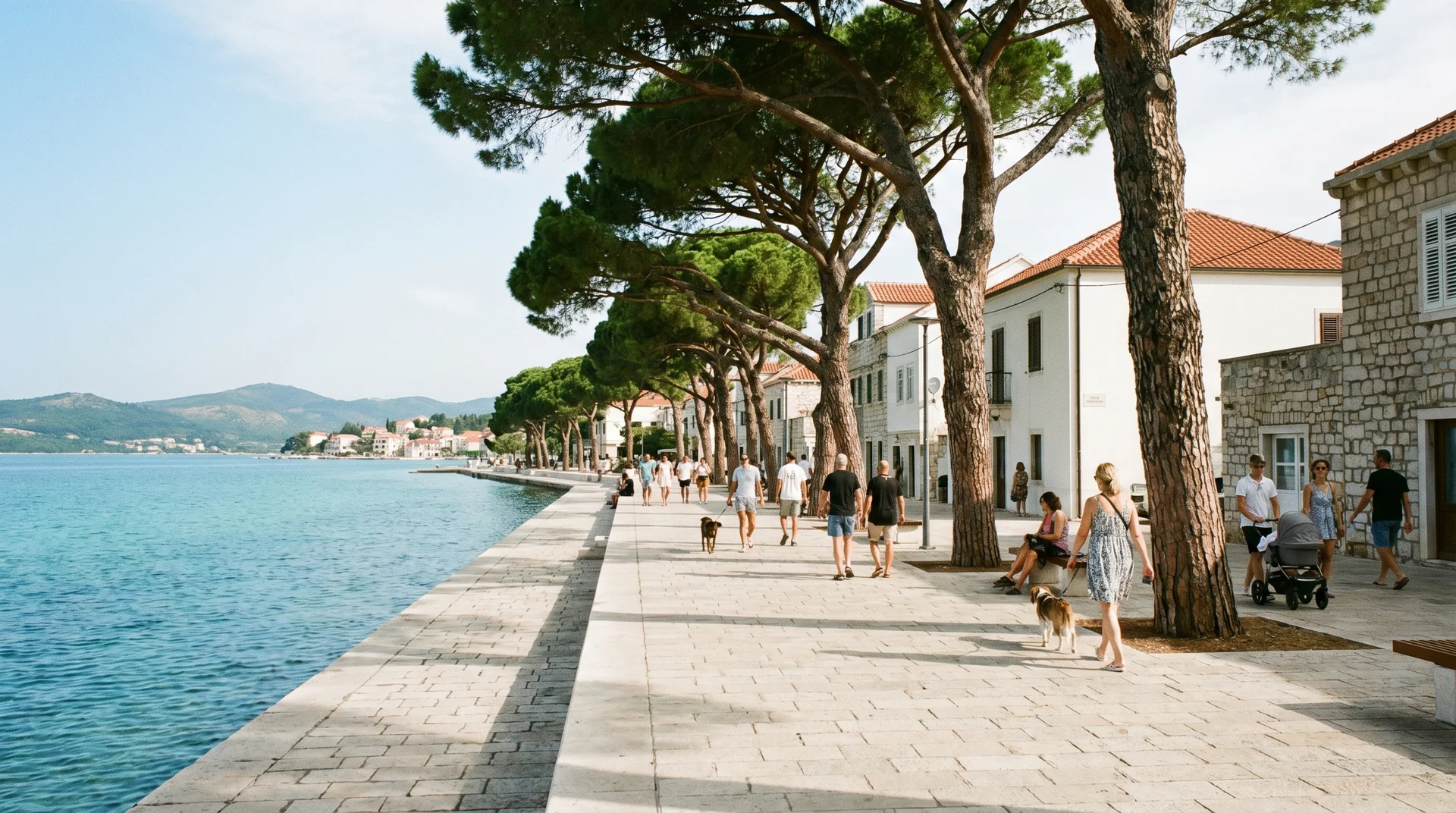
The entire waterfront recently underwent a massive structural redesign to enhance pedestrian access and upgrade the coastal facilities. The resulting layout prioritizes outdoor dining and easy ocean access without the dense urban compression found inland. Everything you need to know about the beach itself is covered in the Larvotto Beach guide.
Utilize the newly structured pine walkways during the peak afternoon sun. The natural shade provides a significant temperature drop just steps away from the sand.
La Condamine and Port Hercule: The Authentic Local Pulse
Market stalls overflow with fresh local produce, coffee cups clink on crowded terraces, and deep marina waters hold colossal mega-yachts. La Condamine wraps around Port Hercule and serves as the traditional commercial core of the principality.
This neighborhood retains a genuinely local rhythm. Residents gather daily at the Place d'Armes market, creating a vibrant, noisy environment that contrasts sharply with the hushed luxury of Monte Carlo. The streets here form the main sections of the famous Grand Prix circuit - you can watch the Monaco Grand Prix without a ticket from several vantage points in this district.
Grab a slice of traditional Monegasque flatbread from the indoor market stalls. Eating standing up alongside the locals is part of the daily routine here.
Monaco-Ville (Le Rocher): The Historic Core
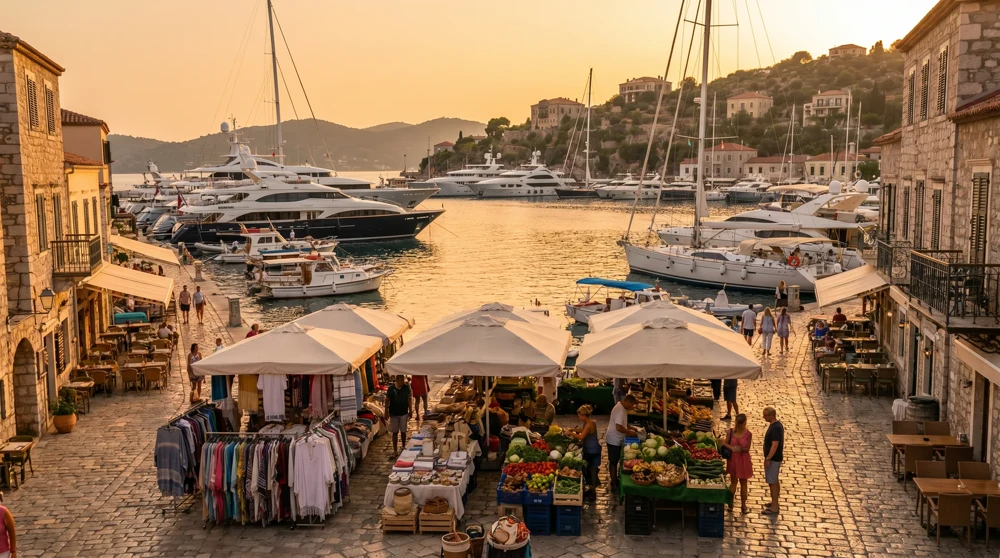
Narrow cobblestone streets intersect tightly, pastel residential facades block the wind, and sweeping views cover the entire coastline. Perched high on a rocky promontory, this is the oldest section of the state.
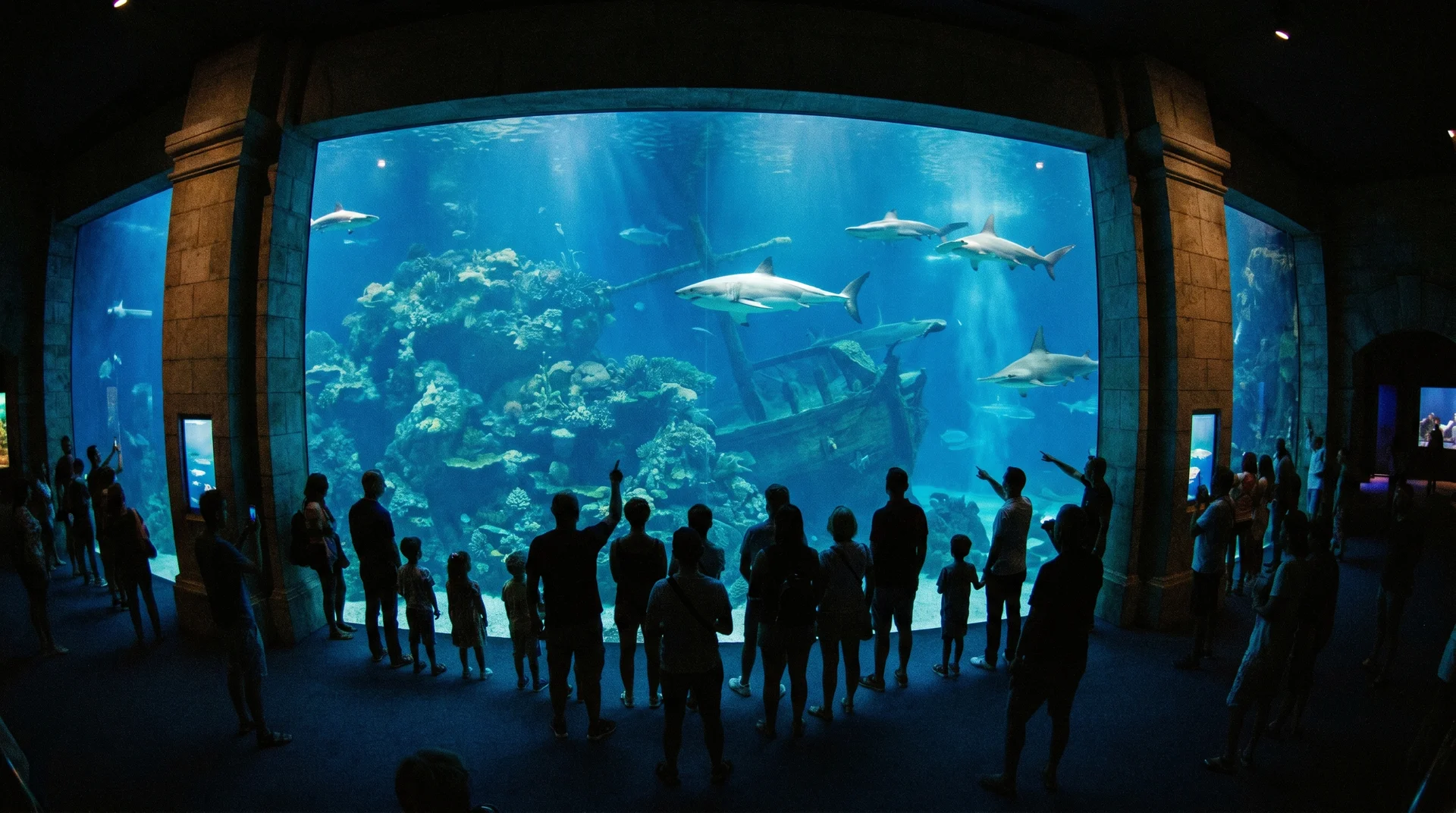
Monaco-Ville houses the Prince's Palace, the main cathedral, and government institutions. Vehicle access is heavily restricted, making it the most pedestrian-centric zone. The steep climb up the Rampe de la Major is visually stunning but physically demanding. The Oceanographic Museum also sits here, one of the most impressive marine science institutions in Europe.
Visit the side alleys late in the evening. The massive influx of day-trippers vanishes entirely, leaving the ancient medieval streets completely silent and atmospheric.
Fontvieille: Modern Living and Open Spaces
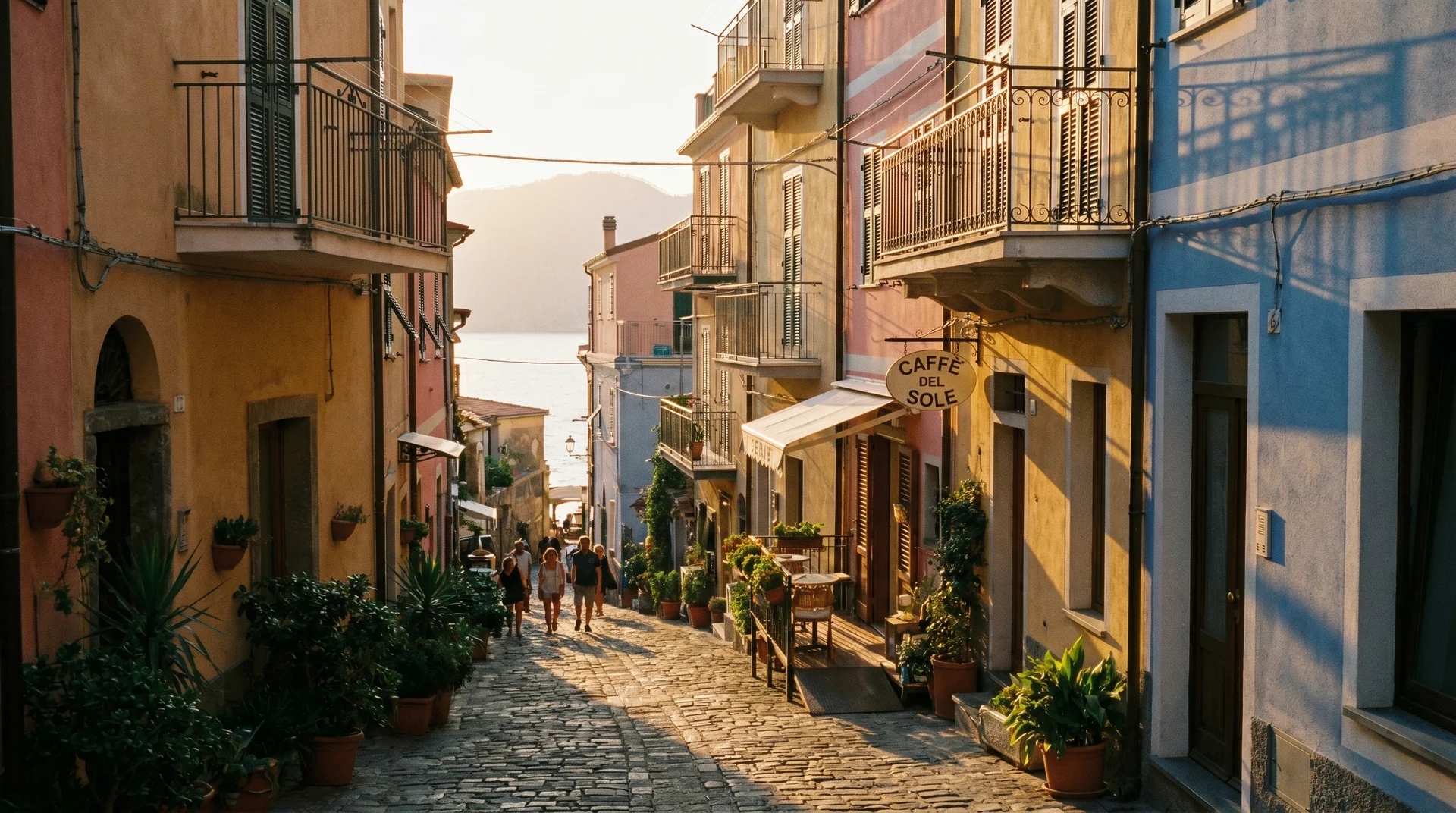
Wide residential pavements, extensive botanical gardens, and a quiet secondary marina characterize this western edge. The environment feels highly structured and deeply quiet, a deliberate contrast to the busier central districts.
Fontvieille is an engineering marvel, constructed entirely on land reclaimed from the sea in the 1970s. The flat terrain and abundance of green spaces make it the primary choice for families seeking distance from the intense tourist traffic of the central districts. Stade Louis-II, Monaco's main football stadium, also occupies this district.
Spend time in the Princess Grace Rose Garden. The dense floral landscaping provides a necessary visual break from the heavy concrete architecture of the surrounding towers.
Mareterra: The Eco-District on the Sea
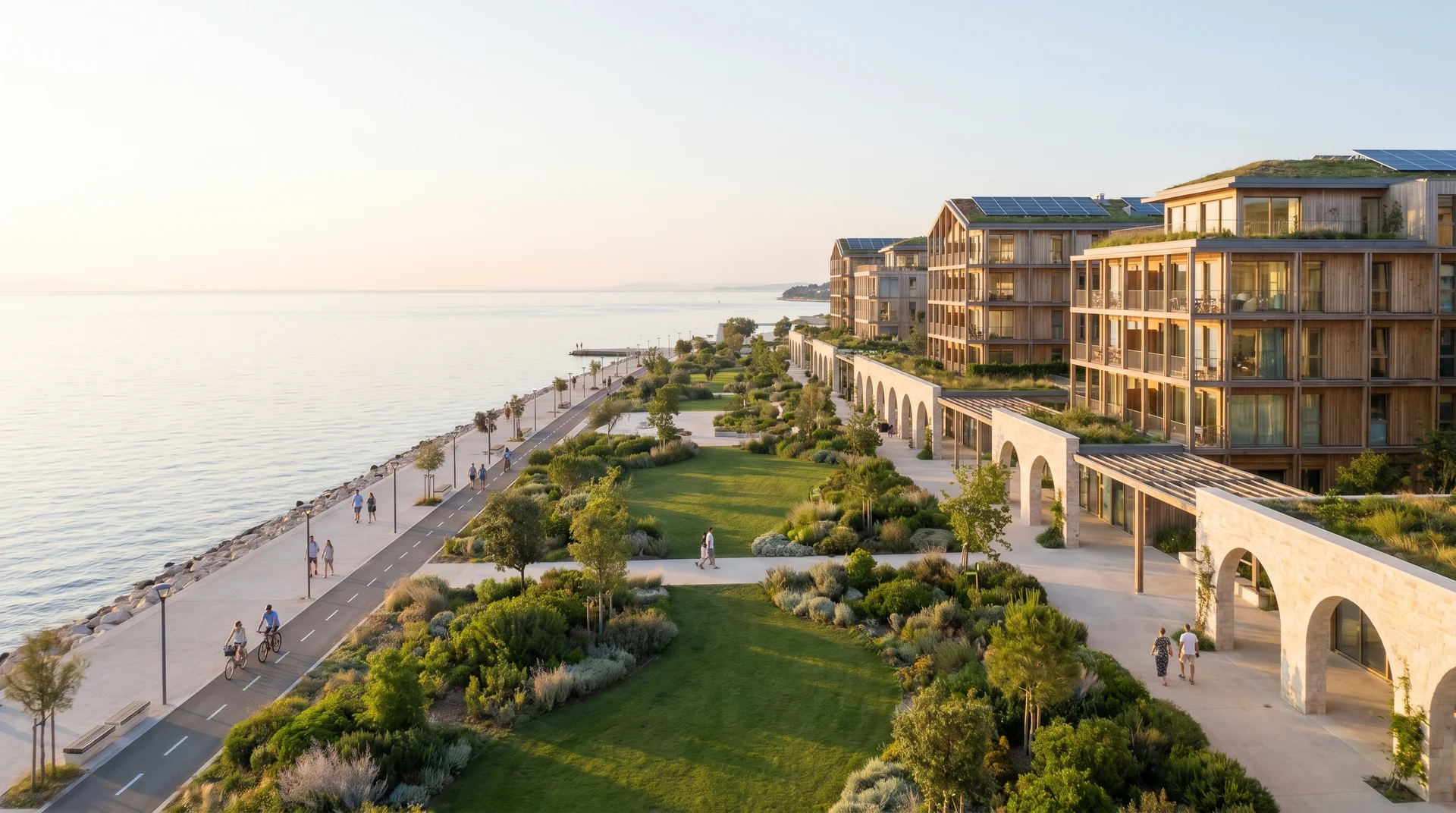
Cutting-edge sustainable architecture, abundant coastal greenery, and seamless integration with the natural shoreline dominate this new zone. It represents Monaco's latest urban expansion, built directly over the Mediterranean.
This extension prioritizes pedestrian-only zones, renewable energy integration, and luxury residential parks. It connects the energetic Monte Carlo sector with the relaxed Larvotto beachfront, functioning as a fluid transition between the two.
Walk the outer pedestrian loop along the water. The pathway offers an entirely new perspective of the Monaco skyline looking back toward the mountains.
La Rousse, Moneghetti, and Jardin Exotique: The High Altitudes
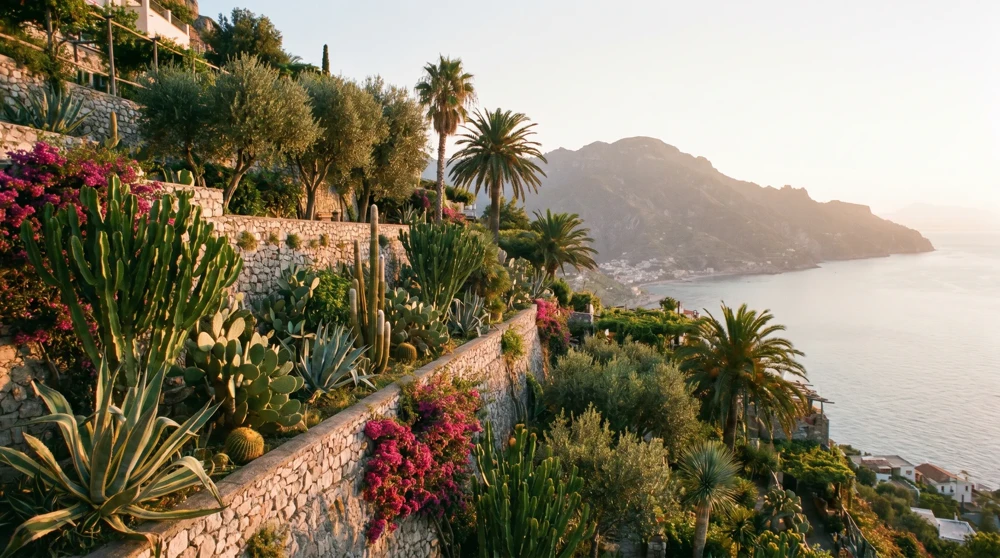
Cool mountain breezes, panoramic vistas stretching all the way to Italy, and dense residential towers clinging directly to the rock face define the upper borders. These districts sit at the absolute highest points of the territory.
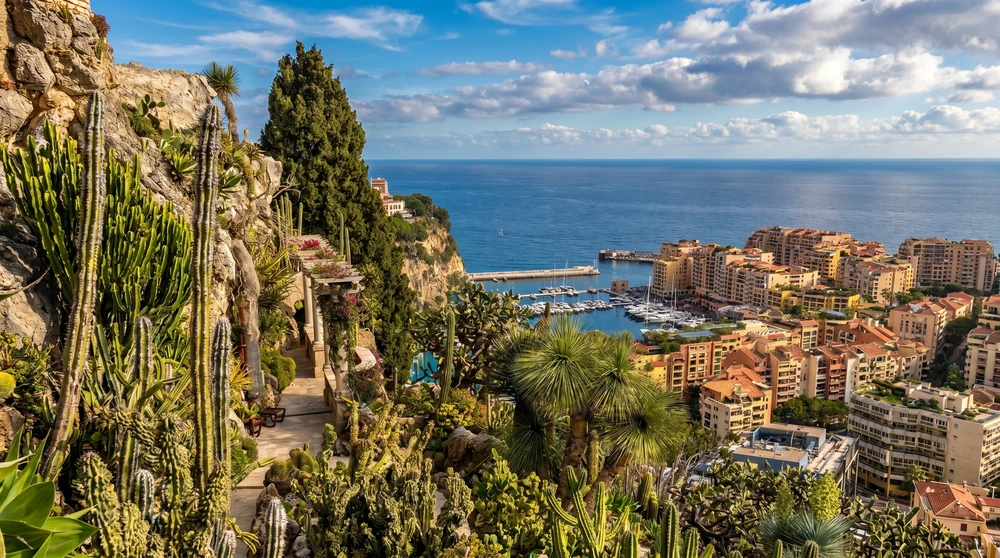
The views from these neighborhoods are unmatched, but the logistics of daily movement require relying heavily on the public elevator system. Attempting to walk from the port directly up to Jardin Exotique is an extreme workout due to the sheer incline. The Exotic Garden is one of Monaco's top highlights and is worth combining with time in these upper wards.
Always map out the public elevator connections before renting an apartment here. Getting stranded at the bottom of the cliffs after the lifts close adds a grueling hike to your night.
Which Monaco Neighborhood Is Right for You?
Selecting a base depends entirely on mobility tolerance and lifestyle priorities. For immediate access to dining and flat walking paths, Larvotto and La Condamine are optimal. For absolute quiet and historical immersion, the restrictive streets of Monaco-Ville serve best.
If altitude and stairs are not an issue, the upper wards like Moneghetti provide incredible aerial views and a residential escape. Understanding the topography beforehand transforms a frustrating, exhausting visit into a seamless experience. Match your daily routine to the terrain, and the principality becomes surprisingly easy to navigate. The Monaco City Pass can also help unlock several district highlights at a bundled rate.