Monaco has a reputation built on superyachts, Formula 1 glamour, and a casino that has appeared in more spy films than any other building in Europe. That reputation is well-earned, but it leaves most travelers with the impression that a visit requires a matching budget. The reality is more practical than the legend suggests. With the right approach, you can spend a full day exploring the principality, see its most iconic landmarks, eat well, and return to your hotel in Nice having spent very little.
Is Monaco Actually Expensive?
The playground of billionaires carries a reputation for astronomical costs. Luxury boutiques, massive superyachts, and exclusive restaurants dominate the main promenades. However, the principality operates like any other dense European city when it comes to basic infrastructure.
Public parks, historical quarters, and coastal walkways remain fully accessible to everyone. The trick is knowing exactly where local residents go for their daily needs, bypassing the tourist traps designed for high rollers. Most of Monaco's iconic sights cost nothing at all, and the ones that do charge admission are competitively priced by European standards.
How to Get to Monaco Without Spending Much
By TER Train from Nice
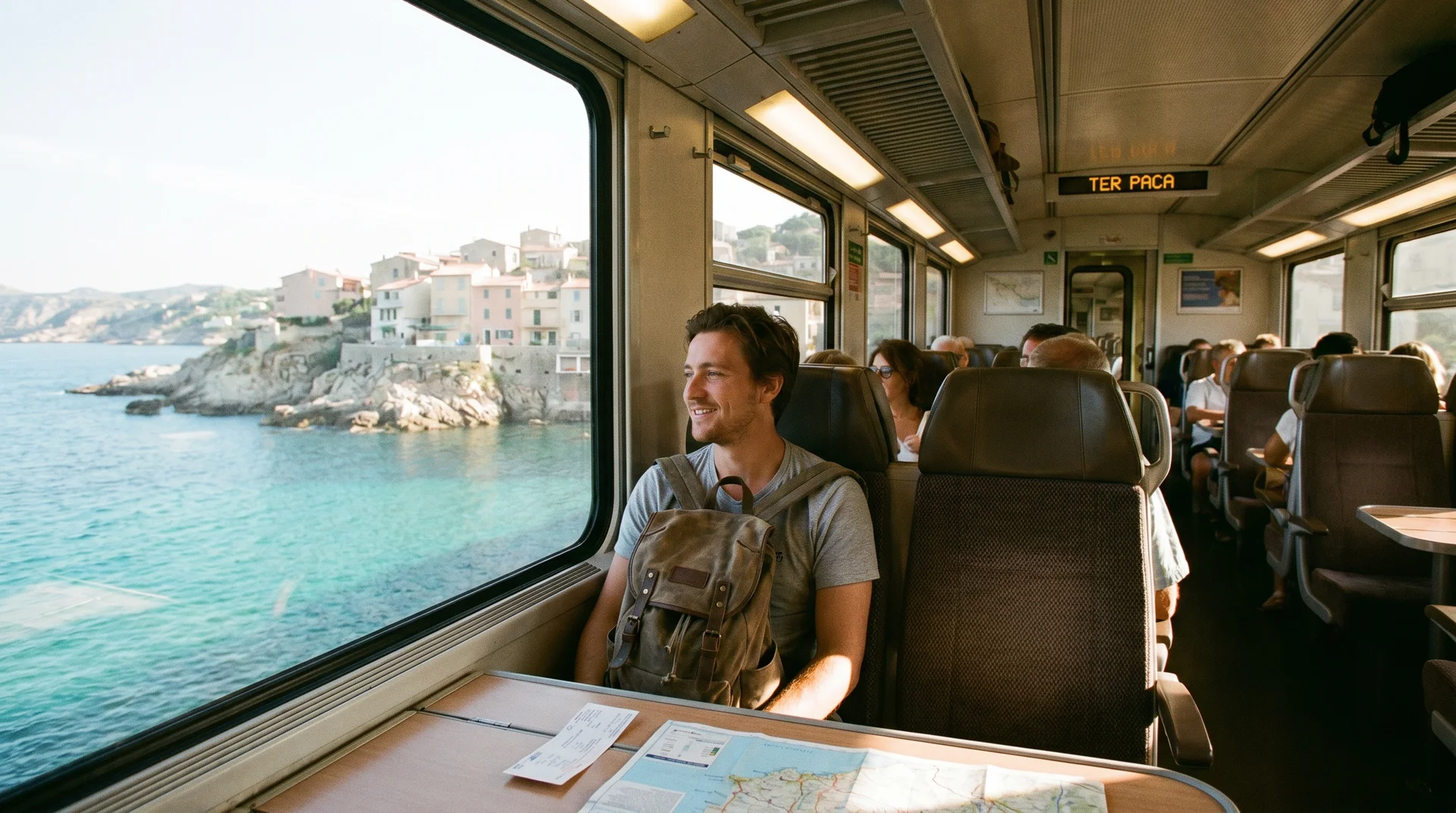
The regional TER train is the most efficient route along the French Riviera. The journey costs €5.90 one way from Nice Ville and takes under 30 minutes, depositing you directly inside the cavernous Monaco Monte Carlo station. Trains run every 15-20 minutes. Grab a window seat on the right side for uninterrupted views of the Mediterranean coastline.
For a detailed breakdown of schedules and platform logistics, see our guide on getting from Nice to Monaco by train.
The Scenic Coastal Bus
For the most economical option, the regional bus travels along the lower corniche road. The bus fare is significantly cheaper than the train and the panoramic cliffside views offer genuine sightseeing before you even cross the border. The bus stops near the Place d'Armes, putting you in an excellent starting position to explore the lower town.
Best Free Things to Do in Monaco
Wander Through Monaco-Ville (The Rock)
Perched high on a rocky promontory, Monaco-Ville is the historical heart of the country. The streets are narrow, the alleyways shaded, and the medieval architecture completely different from the modern skyscrapers below.
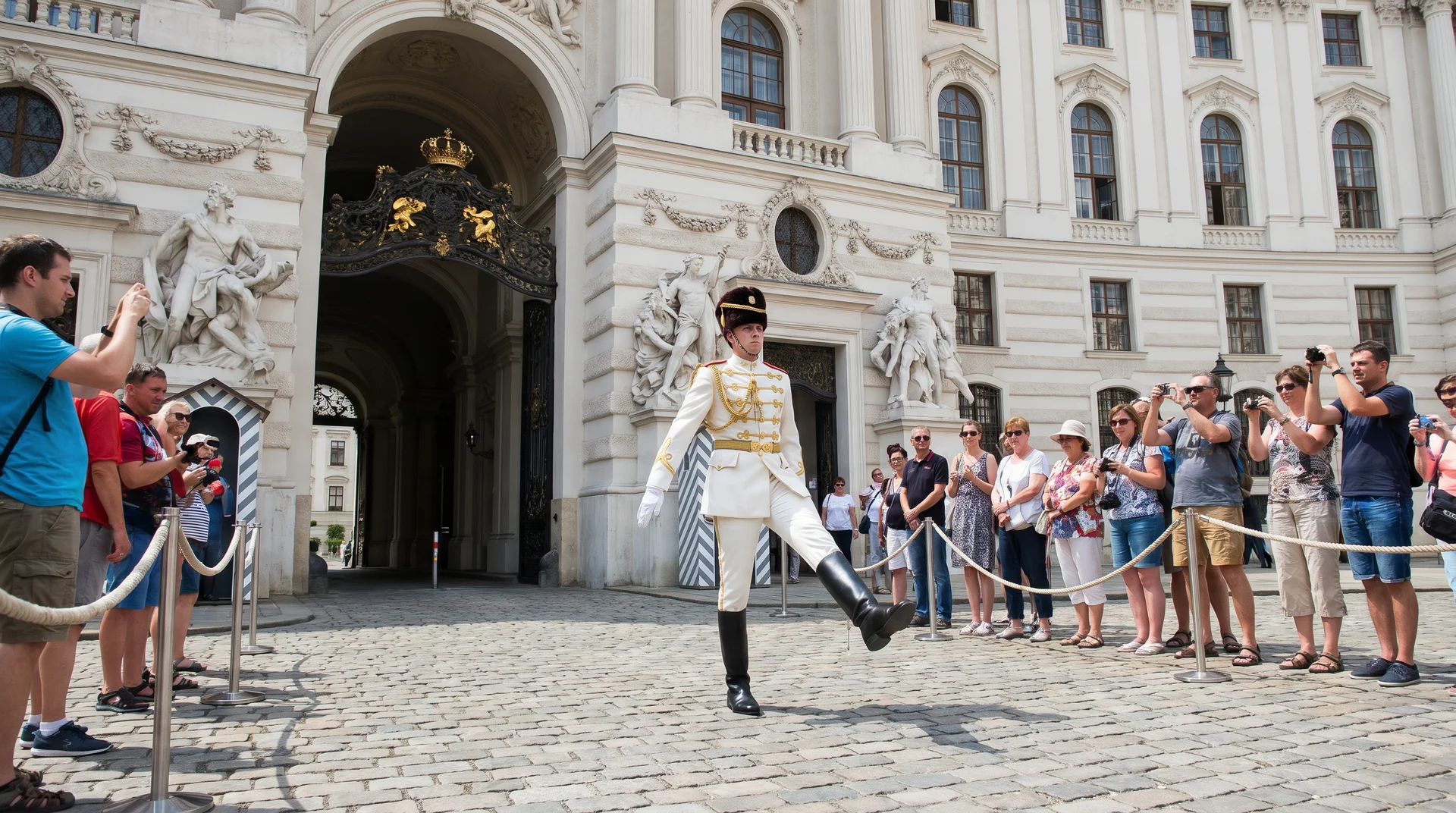
The changing of the guard outside the Prince's Palace is free and takes place daily at 11:55 am from Palace Square. A short walk away, Saint Nicholas Cathedral houses the tomb of Princess Grace and Prince Rainier - entry is free and respectful visits are welcomed year-round.
Monte Carlo Casino Atrium
Entering the actual gaming rooms requires a paid ticket and a strict dress code. Bypass this entirely by visiting the casino's stunning Belle Époque atrium and lobby, which are open to the public without any charge during the morning and early afternoon hours. The mosaic floors, marble columns, and intricate ceilings deliver the classic atmosphere without risking a single chip.
For the full picture on what you can access and when, read our Casino de Monte-Carlo guide.
Walk the Formula 1 Circuit and Port Hercule
The Circuit de Monaco weaves directly through the city streets. Walking the entire circuit is completely free and takes less than an hour at a leisurely pace. Head down to the famous Fairmont Hairpin turn, the slowest corner in the F1 calendar. Continue through the Larvotto Tunnel to emerge at Port Hercule, where close-up views of the massive vessels docked against the urban backdrop cost nothing.
For those who want to understand the free viewing spots during race weekend itself, see watching the Monaco Grand Prix without a ticket.
Larvotto Beach
Plage du Larvotto has a large public section that is completely free to use. The renovated promenade includes free public showers and changing facilities. Bring supplies from a supermarket and you have a full beach afternoon for essentially nothing.
See our Larvotto Beach guide for the layout, parking options, and beach rules.
Jardins Saint-Martin
The terraced cliffside gardens linking Monaco-Ville to the Oceanographic Museum are free to enter and among the most peaceful spots in the principality. The paths wind through subtropical plants with repeated open views over the Mediterranean. This is one of those places that feels more expensive than it is, because it is flanked by a five-star hotel on one side and the palace district on the other.
The Exotic Garden
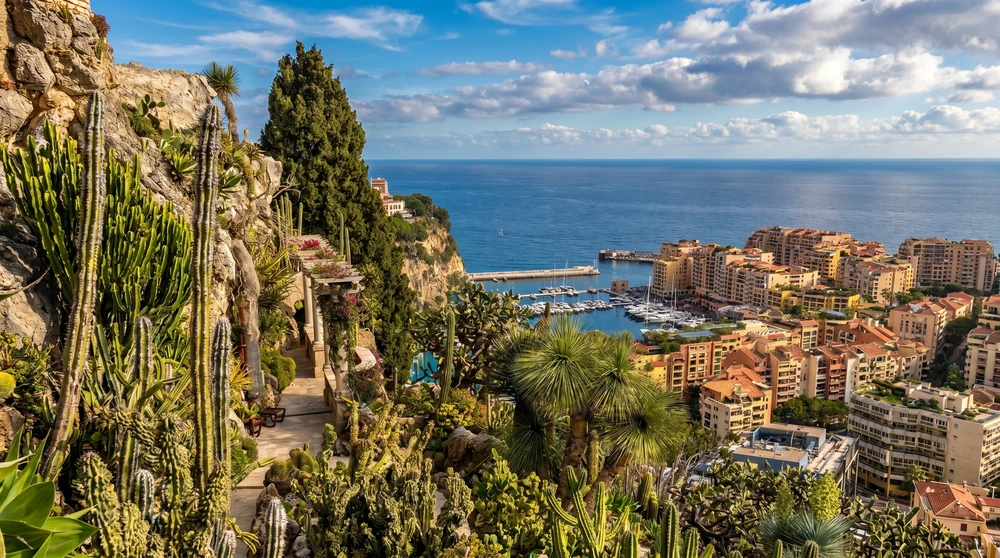
The Monaco Exotic Garden is one of the few ticketed attractions worth mentioning in a budget context, because it includes access to a prehistoric cave and a small museum. The gardens themselves house one of the world's most remarkable collections of cacti and succulents arranged on a dramatic cliffside. Check the current entry fee before visiting, as it changes periodically.
Paid Attractions Worth Considering
Oceanographic Museum
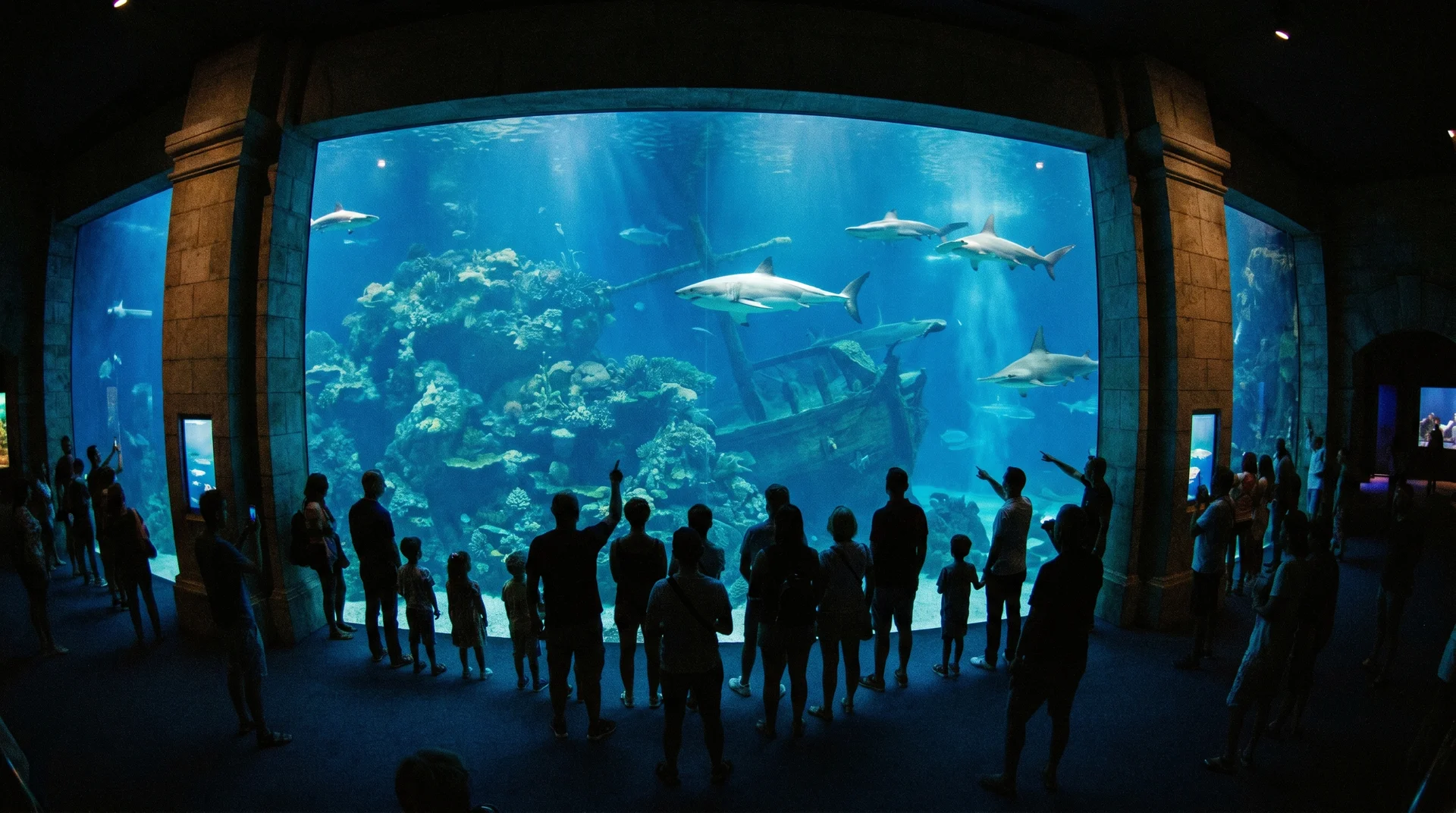
The Oceanographic Museum is one of the finest marine science museums in Europe. Adult admission is €22.50, with discounted rates for students (€14) and children (€14). Given the depth of the collection and the rooftop terrace views, this is one of the better-value ticket purchases you can make in Monaco. Founded by Prince Albert I and once directed by Jacques Cousteau, the building and its contents justify the price.
Prince's Palace
The State Apartments inside the Prince's Palace are open to visitors from April through mid-September. Adult tickets cost €10, with a reduced rate of €5 for children (6-17) and students. The palace closes to visitors during the rest of the year when the royal family is in residence. The changing of the guard outside is always free.
New National Museum of Monaco
The New National Museum operates across two historic villas and focuses on the art and heritage of the principality. Adult admission is €6, with free entry for visitors under 26 and free entry for everyone on Sundays. If your visit falls on a Sunday, this is the easiest budget upgrade available.
Getting Around Without Spending Much
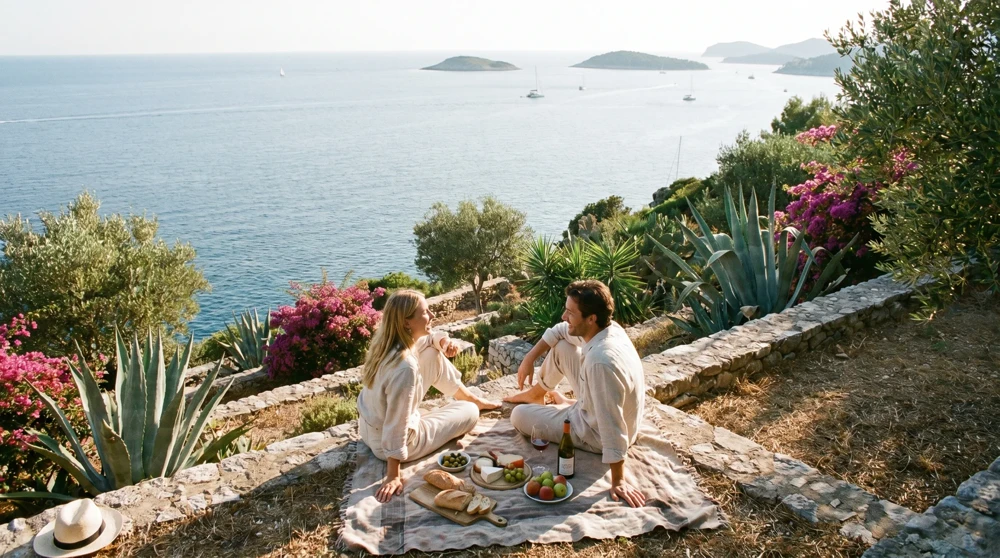
The entire country is built into the side of a steep cliff. Relying solely on foot power will drain your energy quickly. Look for the public elevators (ascenseurs publics) and escalators clearly marked on local maps and street signs - these automated walkways are completely free and connect the lower port areas to the upper neighborhoods in seconds.
If the walking becomes too much, the local CAM bus network covers all major districts. A single CAM bus journey costs €2, with a daily cap of €5.50 - just tap your contactless card. Incorporating the free elevator network alongside the bus makes navigating the dense urban layout genuinely easy.
Where to Eat on a Budget
Le Marché de la Condamine
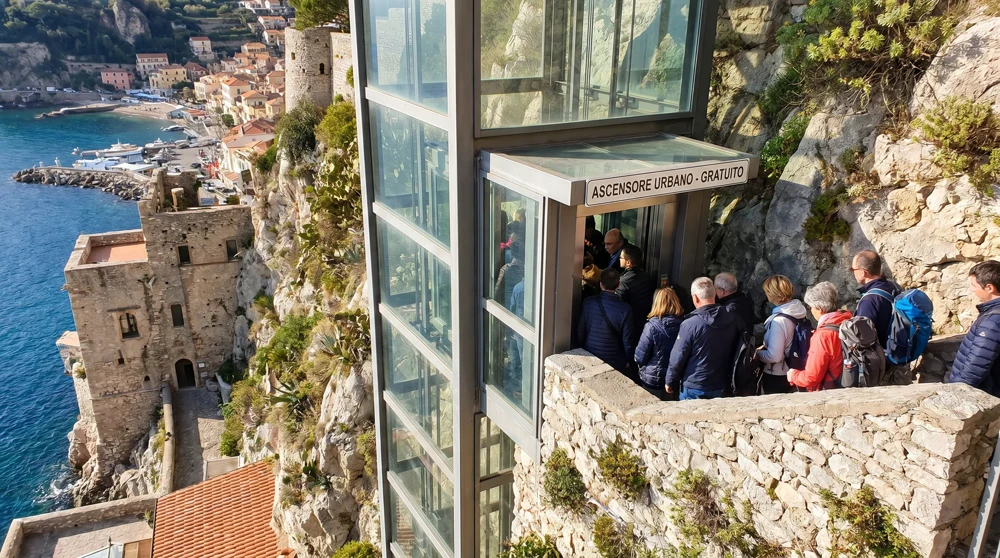
Dining around Casino Square guarantees an inflated bill. Instead, head straight to the La Condamine district. The indoor market hall features numerous independent stalls serving freshly made pasta, local Monegasque specialties like socca, and hearty seafood salads at standard regional prices. Arrive slightly after the peak lunch hour to easily secure a table.
Supermarket Picnics
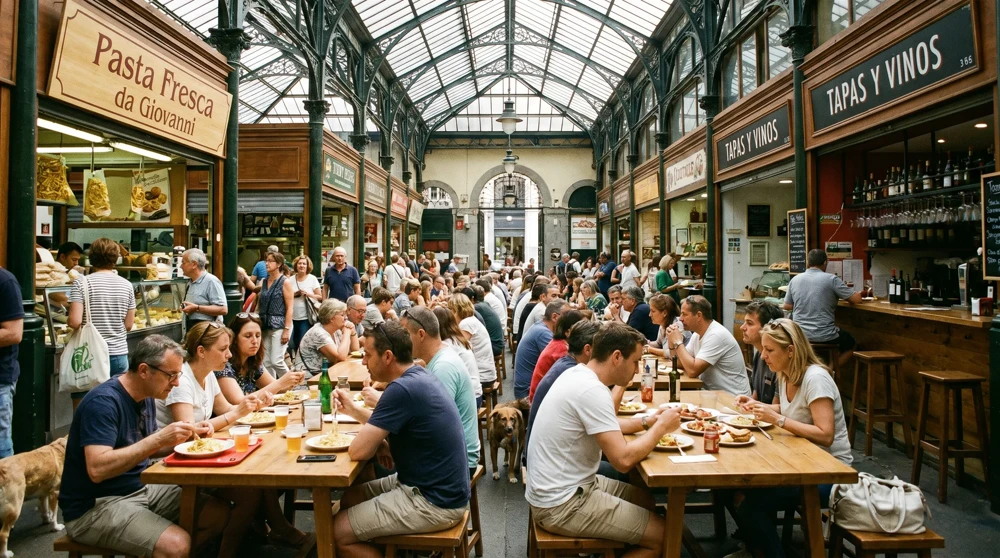
Grab fresh baguettes, local cheeses, and drinks from the supermarkets located a few streets back from the main harbors. Take your supplies to the Jardins Saint-Martin or the Larvotto Beach promenade. Eating a fresh picnic while overlooking the Mediterranean easily beats a generic, overpriced cafe sandwich, and the setting is hard to match.
Where to Stay: Why Nice Is the Right Base
Securing a hotel room within Monaco's borders is fundamentally incompatible with budget travel. Cities along the Côte d'Azur, particularly Nice or Menton, offer a wide inventory of affordable hostels, boutique hotels, and rental apartments. The frequent TER train service means you can experience Monaco for a full day and return to a reasonably priced bed across the border without any difficulty.
Nice is the most practical base. The train connection is direct, frequent, and cheap. Menton is quieter and even closer to the border, which makes it worth considering if you prefer a slower pace in the evenings.
Before you commit to any itinerary, check whether the Monaco City Pass makes financial sense for your specific plans. It bundles several attractions together, which may or may not represent a saving depending on what you intend to see.
What to Expect on Your Budget Day
A realistic budget day in Monaco, based outside the principality, looks roughly like this: train fare from Nice (€5.90 each way, so €11.80 round trip), a picnic lunch from a supermarket (under €10 for two people), one or two paid attractions if you choose them, and bus or elevator hops within Monaco at no cost or minimal cost. The total outlay for transport and food sits comfortably under €30, and you can add museum tickets on top of that if the budget allows.
The principality rewards curious travelers who are willing to walk, plan ahead, and resist the pull of the casino square restaurants. Everything else, from the palace district to the harbor to the cliff gardens, is there for anyone who shows up.