Arriving at Harold Porter National Botanical Garden after 1:00 PM means you will completely miss out on the Leopard's Kloof trail, since the limited gate keys are locked away for the day. Navigating this strict permit system and knowing exactly what to expect on the wet, ladder-laden sections separates a successful hike from a frustrating turn-around.
- Location: Harold Porter National Botanical Garden, Betty's Bay
- Distance: 3 km (out-and-back)
- Duration: 1.5 to 2 hours
- Difficulty: Moderate (river crossings and vertical ladders)
- Key deposit: R50, refunded if returned by 4:00 PM
- Garden entrance fee: R55-R60 per adult (trail permit required on top of this)
- Trail access cut-off: No keys issued after 1:00 PM
Securing Your Permit and the Restricted Gate Key
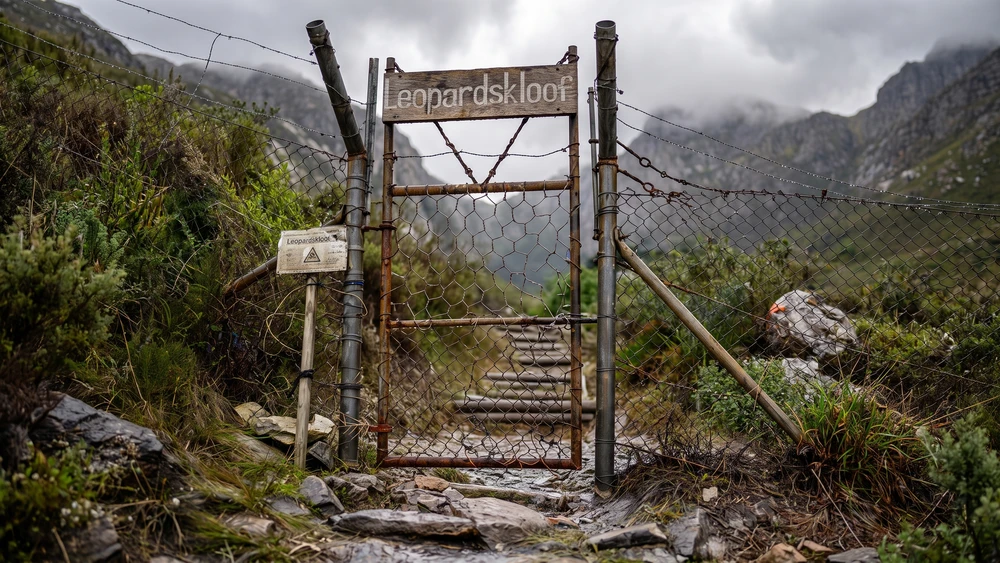
Accessing the Leopard's Kloof trail is not a simple walk-in affair. You must secure a physical key from the entrance office to unlock a specific gate deep within the Kogelberg Biosphere Reserve. Only a limited number of keys circulate at any given time, handed out strictly on a first-come, first-served basis at the main garden reception. On busy weekends they can run out well before the official cut-off, so arriving early is worth more than cutting it close to the deadline.
Harold Porter has moved to cashless, online ticketing through Webtickets for general garden admission, so book your entrance ticket in advance rather than assuming you can pay in cash at the gate. Confirm the current payment method for the key deposit itself when you arrive, since in-person procedures at the reception desk can differ from the main entry gate.
Why the 1:00 PM Cut-off Time Dictates Your Schedule
The park enforces a hard 1:00 PM cut-off for issuing keys. Arrive even ten minutes late, and staff will deny access, regardless of the weather or your fitness level. This rule ensures everyone safely clears the deep gorge before the garden gates close at 4:00 PM.
The R50 deposit secures your key for the group. Hand it back past 4:00 PM, and you forfeit the deposit, which goes directly toward trail maintenance. Always lock the heavy metal gate behind you upon entering and exiting the kloof to prevent unauthorized access and protect the ecosystem.
Trail Breakdown: River Crossings and Chain Ladders
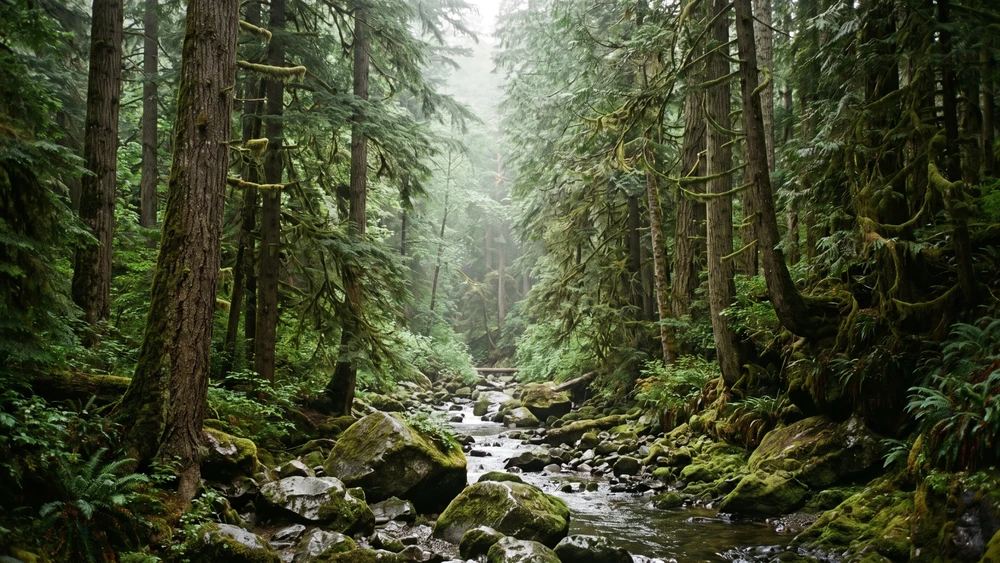
Once through the gate, the manicured fynbos beds quickly give way to dense indigenous forest. The trail throws three distinct river crossings your way before you even reach the first cascading pool.
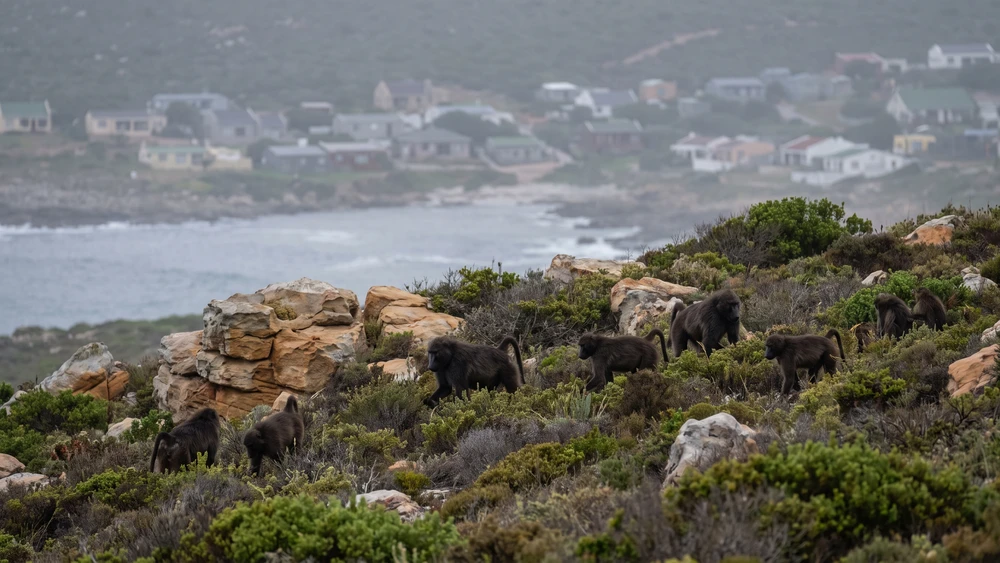
Leopard scratch marks (Panthera pardus) occasionally appear on the tree bark near the first crossing, a reminder of the reserve's name and its resident wildlife. Deep forest canopy overhead and damp earth underfoot make footing tricky even before the ladders start. The path relies on yellow arrows painted onto boulders, guiding you safely through the thick foliage. Along the way, you pass several smaller cascades and pools before the final, tallest waterfall at the top. Troops of baboons turn up on the trail often enough that most hikers see at least one, so stay calm, keep your distance, and let them move along on their own.
Navigating the Slippery Waterfall Sections
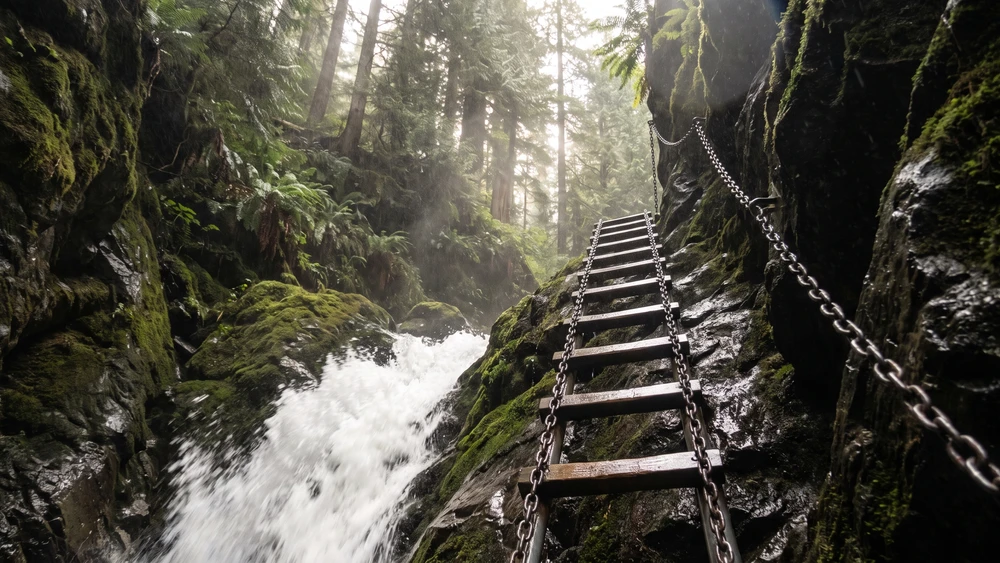
Reaching the final, cascading Disa Waterfall requires climbing a series of wooden and chain ladders. These ladders get incredibly slick after heavy rainfall or morning dew, so you need footwear with high traction to grip the wet rungs safely.
Heavy downpours often render the stream crossings impassable. Garden management will outright refuse trail permission on days with severe rain, putting safety ahead of a completed hike.
Is Leopard's Kloof a Difficult Hike?
Many generic hiking apps label this a purely "easy" 3-kilometer stroll, which misrepresents the terrain. While the initial walk through the botanical gardens is flat, the gorge itself involves scrambling over wet rocks and hauling yourself up vertical ladders.
It is a moderate, technical route rather than an extreme endurance test. You do not need the multi-day fitness required for a route like the Baviaanskloof Leopard Trail, but you do need good balance, decent mobility, and a head for heights on the upper sections. Fit, careful seniors and older kids manage the ladders without much trouble, but it isn't a good match for very young children, anyone with limited mobility, or hikers who are uneasy on wet rock. Swimming in the pools along the way isn't permitted, so plan on this being a scenic hike rather than a swimming spot, and note that parts of the kloof are still recovering from past fire damage, so a short stretch of trail work here and there is normal.
The Red Disa Season: Best Time to Visit
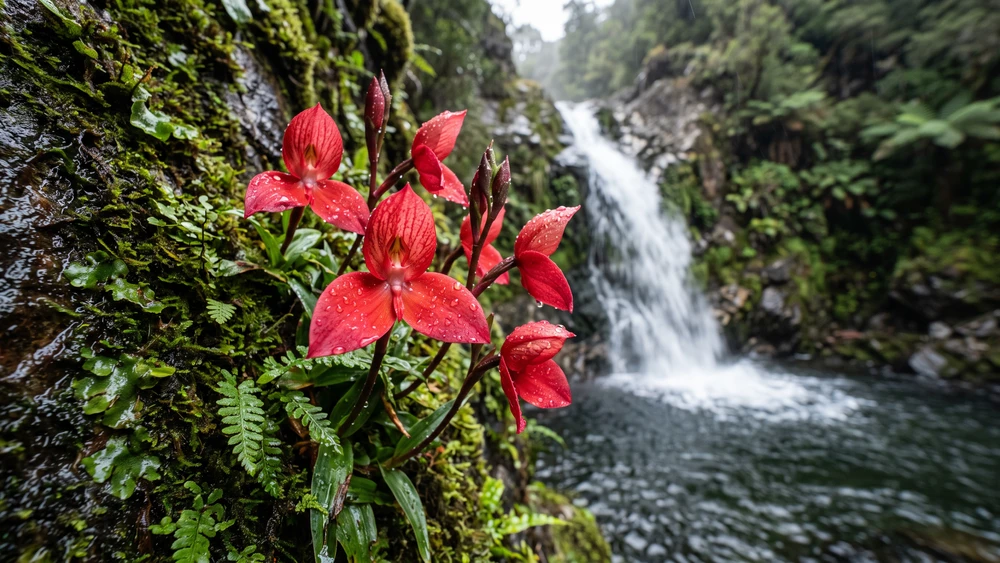
The reward at the base of the final waterfall is a floral display unique to the Western Cape. From late December to the end of January, the Red Disa (Disa uniflora) blooms directly out of the mossy cliff faces above the pool.
The crimson petals against the dark, water-spangled rocks create a striking visual contrast. Visiting in early January gives you good odds of catching the blooms at their most vivid, and it's the period that draws the most photographers and plant enthusiasts to the kloof.
Essential Packing List for the Wet Terrain
You are stepping into a humid, shaded microclimate where the rocks rarely see direct sunlight. The right gear prevents simple slips from ruining the day.
- Footwear: Skip smooth-soled sneakers. Hiking boots or trail runners with aggressive lugs are non-negotiable for the wet ladders.
- Payment for the key deposit: Check current payment options in advance so you are not caught out at the reception desk, since the garden now runs its main ticketing online.
- Waterproof bag: Keep your phone and car keys inside a dry bag; a slip at a river crossing guarantees a soaked backpack.
- Warm layer: The temperature drops noticeably once you enter the deep kloof, even on hot Betty's Bay summer days.