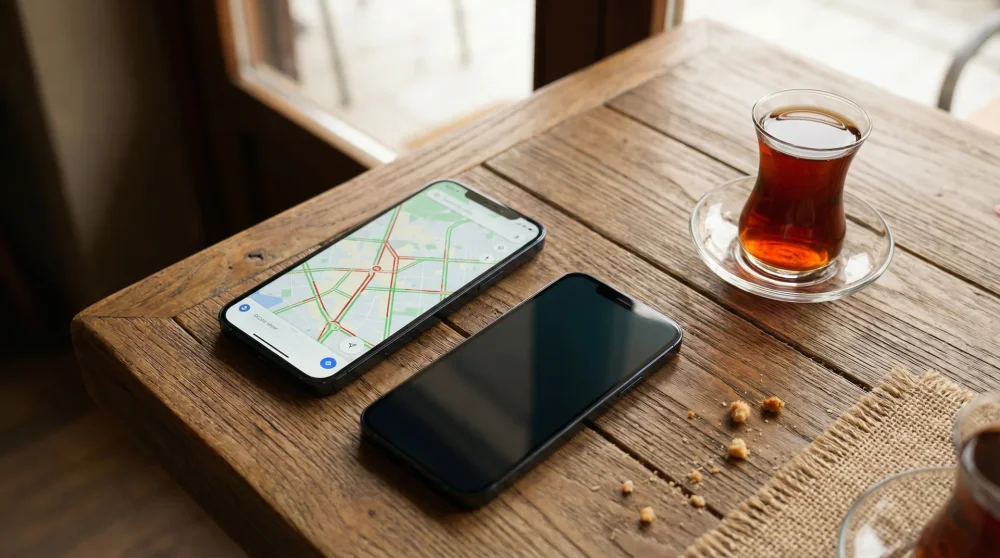
Rent a car in Istanbul and open your phone. The streets are incredibly narrow, the traffic is famously chaotic. Choosing the right navigation app is not just a matter of preference here, it changes your entire travel experience. Most global travelers default to the app they already have installed, but local dynamics require a completely different approach.
If you want to avoid spending hours in gridlock or missing your ferry, you need the right tool for the right situation.
The Reality of Driving and Navigating in Turkey
Navigating through Turkish cities presents unique challenges. Main highways are generally modern and well-maintained, the side streets are a completely different story.
You often encounter sudden road closures, unofficial one-way streets, and impromptu street markets blocking your path. A standard global map algorithm struggles to keep up with these rapid, undocumented changes. This is exactly where the source of the traffic data becomes crucial.
Apps relying heavily on active, local user bases provide much better real-time accuracy. When an app knows a specific alley is blocked because ten delivery drivers just reported it, you save valuable time.

Yandex Navigator in Turkey: The Local Favorite for Drivers
Ask any taxi driver or courier in Istanbul what they use, the answer is almost always the same. Yandex Navigator dominates the local driving scene.
This dominance is not a coincidence. The app relies on massive crowdsourced data from millions of local drivers actively on the road.
Real-Time Traffic and Avoiding Bottlenecks
Yandex excels at recognizing real-time traffic jams and instantly recalculating routes. If a major bridge is congested, the app immediately redirects you through complex backstreets.
- Trust the app when it takes you off the main highway.
- Follow the specific lane guidance closely on complex intersections.
- Keep your phone plugged in, as the constant rerouting drains battery fast.
The routing can sometimes feel aggressive. You might find yourself driving up incredibly steep, narrow hills to save five minutes. However, it almost always gets you to your destination faster than standard alternatives.
Speed Camera Alerts and Speed Limits
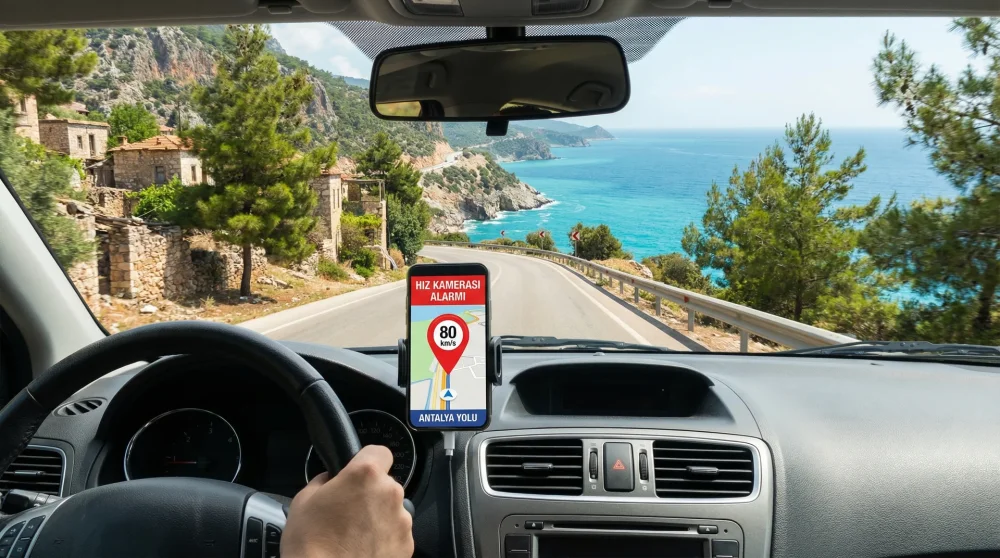
This is where Yandex truly outshines the competition for drivers. Turkey has an extensive network of electronic radar systems, known locally as EDS.
Yandex provides highly accurate, real-time audio warnings for these speed cameras and red-light cameras. It shows the exact speed limit for your current lane and alerts you if you exceed it. This feature alone prevents hefty traffic fines during your road trips along the Aegean or Mediterranean coasts.
Google Maps in Turkey: The Ultimate Tool for Tourists
While local drivers swear by Yandex, exploring the country on foot or using public transport requires a different skill set. Google Maps remains an indispensable tool for these scenarios.
The interface is familiar, the database of historical sites is massive. You do not need to download a separate app to find your way around major tourist hubs.
Public Transit and Walking Routes
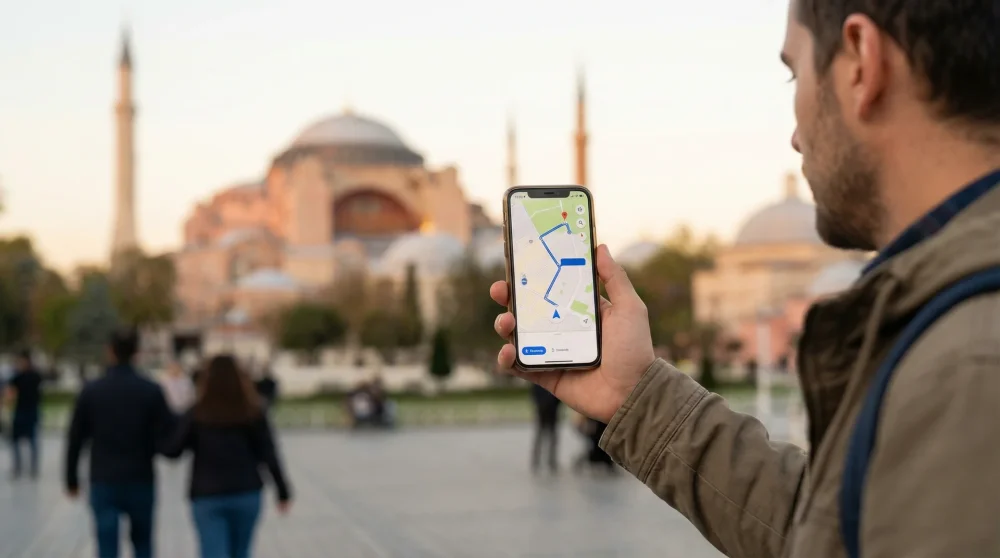
If you plan to use the metro, tram, or ferry systems, Google Maps is your best companion. The public transit integration in major cities like Istanbul, Ankara, and Izmir is exceptional.
Enter your destination and get precise instructions on which metro line to take. The app tells you exactly how many stops remain and when to transfer. For walking directions in pedestrian-only zones like Sultanahmet, the routing is highly accurate and easy to follow.
Finding Local Restaurants and Reviews
Google completely dominates the local business directory space. When searching for a place to eat or a specific shop, the location data and operating hours are highly reliable.
Read the user reviews and check the photos before sitting down at a restaurant. Yandex lacks this extensive, user-generated database for local businesses. If you need to find a highly-rated kebab place near your hotel, stick to Google.
Side-by-Side Comparison: Yandex vs Google Maps
To make your decision easier, here is a direct comparison of their core strengths:
| Feature | Yandex Navigator | Google Maps |
|---|---|---|
| Real-Time Traffic | Excellent (highly localized) | Good (sometimes delayed) |
| Speed Camera Alerts | Highly accurate and audible | Basic or missing |
| Public Transport | Very limited | Excellent and detailed |
| Walking Directions | Poor | Highly accurate |
| Business Reviews | Limited data | Massive database |
| Offline Usage | Good for driving | Great for exploring areas |
Final Verdict: Which App Should You Download?
Your choice depends entirely on your mode of transportation.
If you plan to rent a car and drive, download Yandex Navigator before you hit the road. The speed camera warnings and aggressive traffic avoidance algorithms are absolute lifesavers.
Rely entirely on Google Maps if you are exploring the city on foot and using public transportation. Keep both apps on your phone to get the most out of your trip, switching between them as your travel style changes throughout the day.