The history of cycling unfolds across three packed floors in the heart of Lithuania. A quick 45-minute visit here reveals everything from 19th-century wooden frames to the iconic Baltic manufacturing era.
| Feature | Details |
|---|---|
| Adult Ticket | 5 Eur |
| Discounted Ticket | 2.50 Eur |
| Guided Tour | 20 Eur |
| Audio Guide (English) | Free (Remote control format) |
| Visit Duration | 45-60 minutes |
What to Expect at the Bicycle Museum of Šiauliai?
The layout spreads across three distinct levels without an elevator. You need to navigate the stairs on foot. Head straight to the top floor and work your way down. This chronologically aligns your experience with the evolution of two-wheeled transport.
3rd Floor: The Ancient Wooden Bicycles and Celerifere
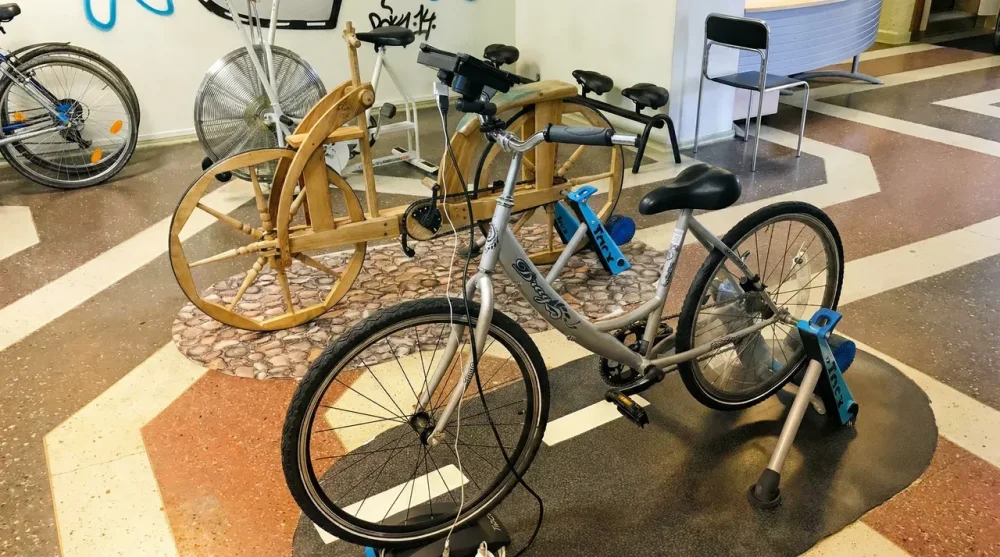
The top level houses the oldest and most fascinating artifacts. The centerpiece is a meticulously crafted replica of the 1792 Celerifere. This heavy wooden running machine completely lacks a handlebar. It is just raw timber and solid wheels.
Further along the corridor, the 19th-century handcrafted bicycles from Zagare demand immediate attention. Every single detail consists of carved wood and forged iron.
- Look for the grandpa bike: Forged by a highly skilled local smith in 1914.
- Check the mechanical details: Some older displays have their drive chains facing the wall, so you need to lean in close to see the intricate gearing.
- Scan the QR codes: Many ancient exhibits lack English display boards, but the digital codes provide immediate translations on your phone.
2nd Floor: The Legacy of the Vairas Factory
The middle floor serves as a time capsule for the Baltic industrial era. The atmosphere here is heavily nostalgic, filled with the visual history of mass production. Rows of Ereliukas and Kregzdute models line the compact room. These are the exact machines that mobilized the entire region during the Soviet period.
You can also examine the personal gear of legendary Lithuanian cyclist Liudas Alseika. His worn gloves and travel equipment from the 1960 Klaipeda-Vladivostok expedition sit quietly behind the glass. The sheer physical endurance required for such a cross-continental trip is mind-boggling.
1st Floor: Interactive Velomobile Racing
The ground floor brings the timeline directly into the modern era. The space features unconventional sports equipment and aerodynamic velomobiles.
Several stationary trainers allow you to pedal and test your speed. A few of these older interactive screens show their age with minor glitches, but the physical pedaling remains a solid workout. Kids usually burn off their remaining energy in this specific section.
Practical Information for Visitors
Planning your visit requires just a few key details. The museum operates on Sundays, making it a great weekend option. The exhibition spaces are quite compact. Ventilation can be minimal on warmer days, so dress in light layers.
Ticket Prices and Free Audioguides
Admission for 2026 remains highly accessible. A standard adult entry is 5 Eur. Students and seniors can enter for 2.50 Eur. If you want a dedicated professional to walk you through the history, the guided tour costs 20 Eur.
Always ask the front desk for the free English audio guide before heading upstairs. It comes as a small remote control rather than a wearable headset. One device is easily enough for a couple to share while walking through the exhibits. Be aware of the 7 Eur fee if you plan to arrange a personal professional photoshoot inside.
Location and Contact Details
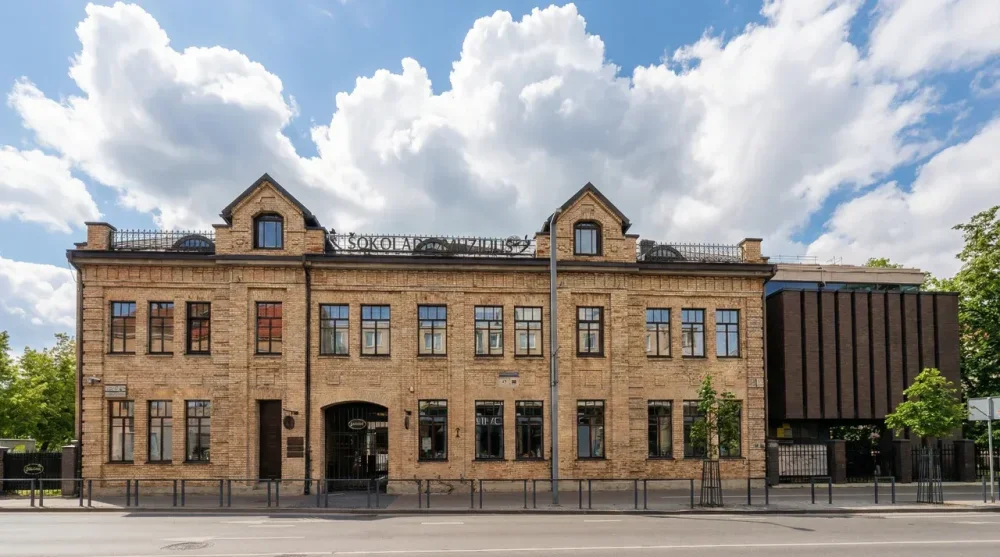
Finding the building is incredibly simple. The exact location is Vilniaus St 139. This puts you right on the main pedestrian boulevard of the city. Combine this quick stop with a coffee on the main street to maximize your afternoon.
JSON { "ticket_price": "5 Eur", "discounted_ticket": "2.50 Eur", "guided_tour": "20 Eur", "photo_fee": "7 Eur", "year": "2026" }