Humanity has always possessed a deep desire to leave a permanent mark on the earth. The resulting monuments go far beyond simple stone structures. They represent the pinnacle of engineering, cultural identity and architectural ambition.
If you plan to witness these architectural marvels in person, knowing their background is simply not enough. You need practical strategies to avoid overwhelming crowds and navigate the complex terrains safely.
What Are the New Seven Wonders of the World?
Millions of people cast their votes globally to select a modern list of architectural marvels. The chosen landmarks span multiple continents and represent diverse ancient civilizations. Visiting all of them requires careful geographical planning and physical preparation.
1. The Colosseum (Rome, Italy)
The Colosseum stands directly in the center of modern Rome. The stone corridors remain incredibly cool, while the main arena gets intense direct sunlight. Walking through these massive arches gives you an immediate sense of the ancient Roman entertainment culture. Emperor Vespasian commissioned this massive Flavian Amphitheatre to host public spectacles and gladiator contests.
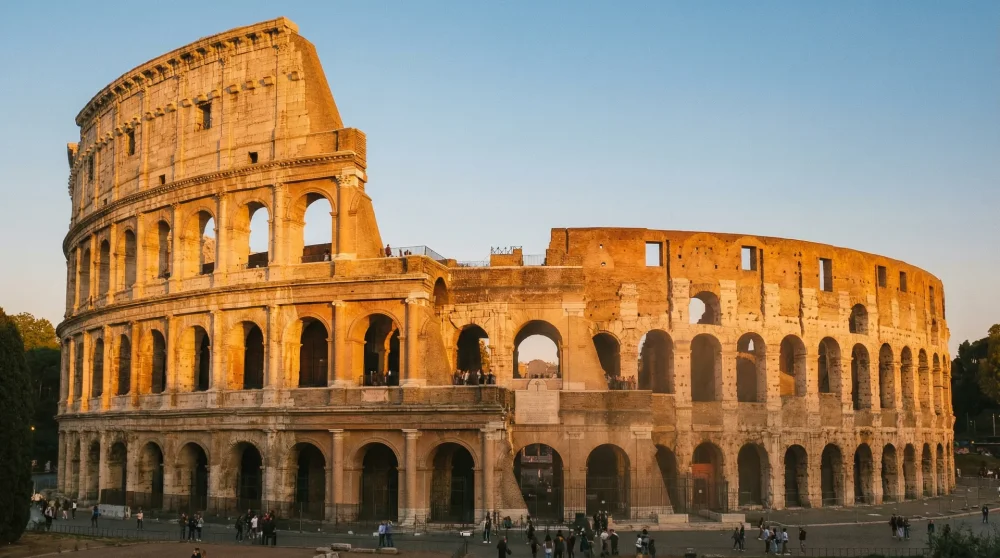
Buying your tickets online well in advance is absolutely crucial. The physical ticket queues at the main entrance stretch for blocks by mid-morning. Plan your visit for the late afternoon to skip the midday heat and heavy tour groups. This specific timing also provides the best golden light for your photography.
- Best entry point: Use the Stern entrance if you book a special arena floor access ticket.
- What to wear: Comfortable walking shoes are mandatory due to the uneven cobblestones.
- Security check: Large backpacks and bulky bags are strictly forbidden inside the amphitheater.
2. Machu Picchu (Cusco Region, Peru)
Hidden high in the Andes Mountains, Machu Picchu demands serious physical preparation. The thin air at this extreme altitude makes breathing slightly difficult. You must acclimatize in the city of Cusco for a few days before attempting your ascent. Inca Emperor Pachacuti likely built this estate as a royal retreat, and Hiram Bingham later brought it to international attention.
Taking the train to Aguas Calientes serves as the most practical route for most travelers. From that small town, hop on the early morning bus to reach the sanctuary entrance before the large hiking groups arrive. The thick morning mist clearing over the stone ruins creates a truly mesmerizing atmosphere.

3. Chichén Itzá (Yucatán, Mexico)
This ancient Mayan city dominates the dense jungle of the Yucatán Peninsula. The massive stepped pyramid known as El Castillo forms the exact center of the archaeological site. The surrounding terrain is completely flat, making it relatively easy to navigate on foot.
Arrive at the entrance gate exactly at opening time. The archaeological zone offers zero natural shade, and the midday tropical sun becomes unbearably hot. Hire an official local guide at the entrance to understand the complex astronomical significance of the structures. Bring a reusable water bottle and apply eco-friendly sunscreen generously.
4. Petra (Ma'an Governorate, Jordan)
Petra requires you to walk through a narrow, towering sandstone gorge called the Siq. The sheer rock walls block out the modern world completely.
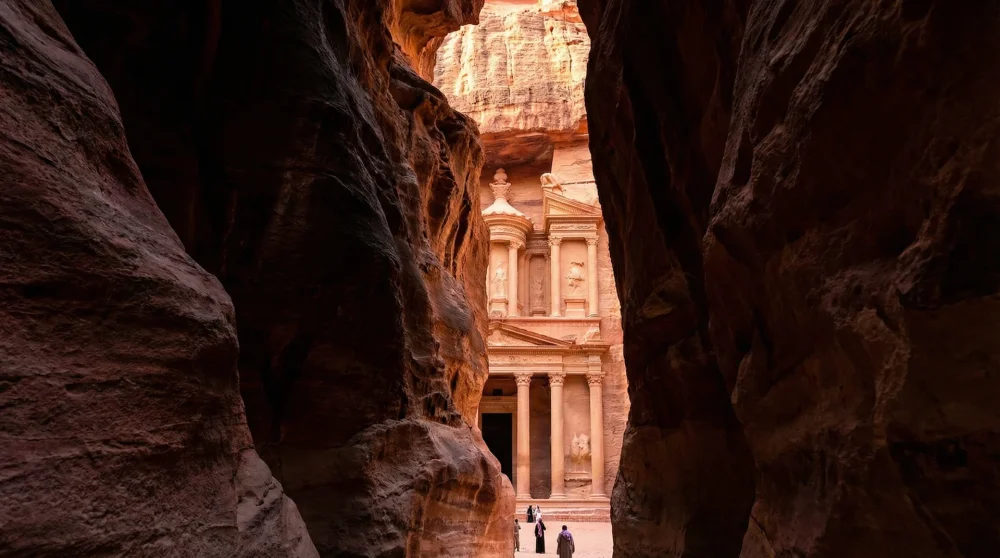
Suddenly, the iconic Treasury building reveals itself through a narrow crack in the stone. The Nabataeans carved this entire capital city directly into the vibrant rose-red cliffs.
- Footwear: You will walk several kilometers on sand and uneven rock formations.
- Hydration: Purchase bottled water at the visitor center before entering the gorge.
- Pacing: Do not rush the main trail, and save your energy for the steep climb up to the Monastery.
5. Taj Mahal (Agra, India)
The Taj Mahal represents the ultimate architectural symbol of devotion. Mughal Emperor Shah Jahan built this pristine white marble mausoleum for his beloved wife. The complex features perfect symmetry, lush Persian gardens and intricate stone inlays. The sheer scale of the main dome leaves visitors completely speechless.
The entry process involves strict security screenings and gender-segregated queues. Leave all electronics, food and large bags in your hotel room. Only carry your camera, passport and a small bottle of water. Sunrise visits offer a calm, magical reflection of the monument in the central water channels.

6. Christ the Redeemer (Rio de Janeiro, Brazil)
Watching over the vibrant city of Rio de Janeiro, this massive Art Deco sculpture stands at the peak of Mount Corcovado. The viewing platform provides a panoramic sweep of the ocean, mountains and urban sprawl. The air feels incredibly fresh up here, but the wind can be quite strong.
Taking the official cog train provides the safest and most scenic route to the summit. Avoid visiting during heavy cloud cover, as the statue completely disappears into the fog. Check the live weather cameras online before leaving your accommodation. Keep a close eye on your belongings while taking photos in the crowded viewing areas.
7. The Great Wall of China (Northern China)
The Great Wall stretches across rugged mountains, deep valleys and vast deserts. It consists of multiple parallel walls, watchtowers and fortresses designed to protect historical borders. Some sections feature steep, uneven stairs that test your cardiovascular endurance.
Skip the heavily reconstructed Badaling section if you dislike massive crowds. Head to Mutianyu for a balanced experience of preserved architecture and stunning nature. You can ride a cable car up the mountain and take a fun toboggan slide back down. Dress in easily removable layers to adapt to the changing mountain temperatures.
The Seven Wonders of the Ancient World
Classical writers and travelers compiled the original list of human engineering feats. These monuments defined the architectural limits of antiquity. Sadly, natural disasters and human conflicts destroyed almost all of them.
The Great Pyramid of Giza (Egypt): This massive tomb remains the only ancient wonder still standing today.
Hanging Gardens of Babylon: King Nebuchadnezzar II supposedly built these terraced gardens, though their exact location remains a historical mystery.
Statue of Zeus at Olympia: The legendary sculptor Phidias created this giant seated figure covered in gold and ivory.
Temple of Artemis at Ephesus: This magnificent marble temple suffered destruction and rebuilding multiple times.
Mausoleum at Halicarnassus: This monumental tomb introduced the word mausoleum to our modern vocabulary.
Colossus of Rhodes: A massive bronze statue of the sun god Helios stood proudly near the harbor entrance.
Lighthouse of Alexandria: This towering structure guided ancient sailors safely into the busy Egyptian port.