You hear a lot of mixed opinions about this coastal town on the Yucatan Peninsula. Some travelers call it an absolute paradise, while others claim it lost its soul to mass tourism. You probably wonder if skipping Cancun for a jungle experience makes sense anymore. The reality sits somewhere in the middle.
You face heavy traffic on the beach road and pay premium rates at beach clubs, but you also swim in crystal-clear underground caves and step straight into ancient Mayan history.
The Elephant in the Room: Is Tulum Overrated?
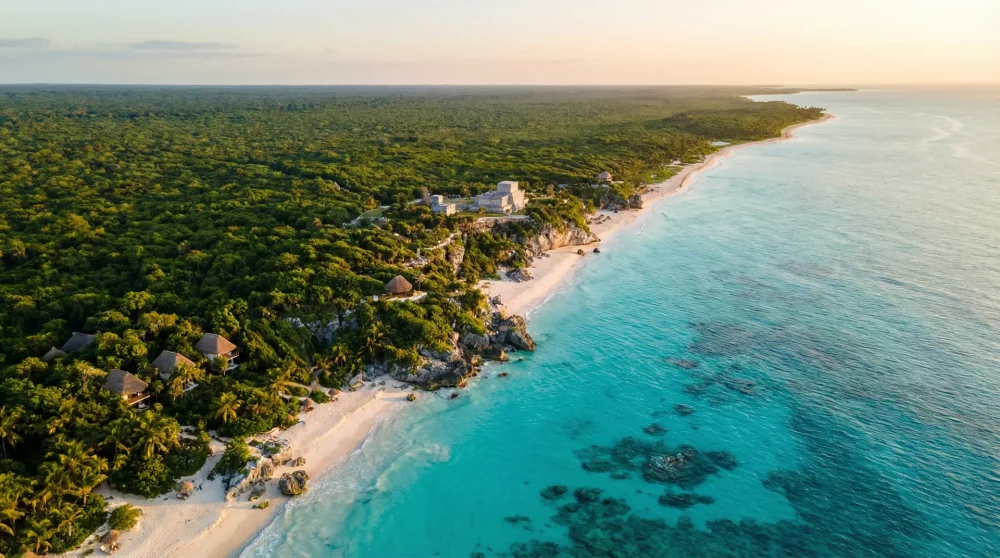
Let's address the main concern right away. This town no longer functions as a sleepy backpacker secret. The dense jungle now hides luxury boutique hotels, high-end restaurants, and massive electronic music venues. You need a solid budget to spend your days in the Zona Hotelera.
The restaurant bills often match those in major global cities, and navigating the single road along the coast takes patience. If you expect a cheap, deserted tropical escape, you will feel disappointed. However, if you know exactly what to expect and plan your days around the region's natural wonders, prepare for a completely unique adventure.

5 Real Reasons Why You Should Still Visit Tulum
Despite the rapid development, the core geographical and cultural features of the area remain untouched. You find experiences here that simply do not exist anywhere else along the Riviera Maya.
The New Tulum Airport (TQO) Changes Everything
For decades, reaching this part of the coast required landing in Cancun and taking a long, tiring bus or car ride down the highway. The opening of the new local international airport eliminates that exhausting transit. You step off the plane and find yourself right on the edge of the jungle. This massive logistical upgrade gives you more time on the sand and less time staring out of a shuttle window.
Unmatched Access to Ancient Mayan Ruins
You don't have to travel far to see world-class archaeological sites. The Tulum Ruins sit directly on a cliff overlooking the Caribbean Sea. You wander through the remnants of a powerful ancient trading port and then walk down a wooden staircase straight onto the beach below. When you want a deeper historical dive, take a short drive to Coba. There, you rent a bicycle and ride through dense jungle pathways connecting massive pyramids.
The Magic of the Cenotes
The Yucatan Peninsula sits on a giant limestone shelf filled with underground rivers. These natural sinkholes, called cenotes, offer the most refreshing swimming experience of your life. You jump into Cenote Calavera through a small hole in the ground, or you snorkel through the massive cave systems of Dos Ojos. The water stays cool all year round and provides exceptional clarity for underwater photography. Stay strictly with mineral-based sunscreen or avoid sunscreen entirely to protect these fragile ecosystems.
The Untouched Sian Ka'an Biosphere Reserve
When the beach clubs feel too loud, escape to this massive UNESCO-protected natural reserve just south of the hotel zone. You float down ancient Mayan canals surrounded by mangroves and spot crocodiles, manatees, and wild dolphins. Booking a boat tour here completely resets your perspective. You see the raw, wild side of the Mexican Caribbean exactly as it looked thousands of years ago.
A World-Class Culinary and Wellness Scene
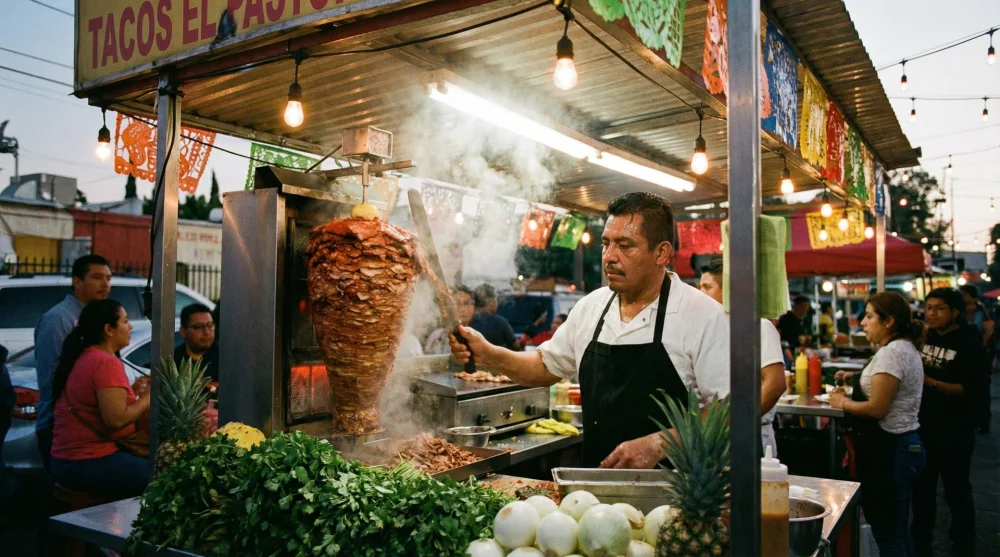
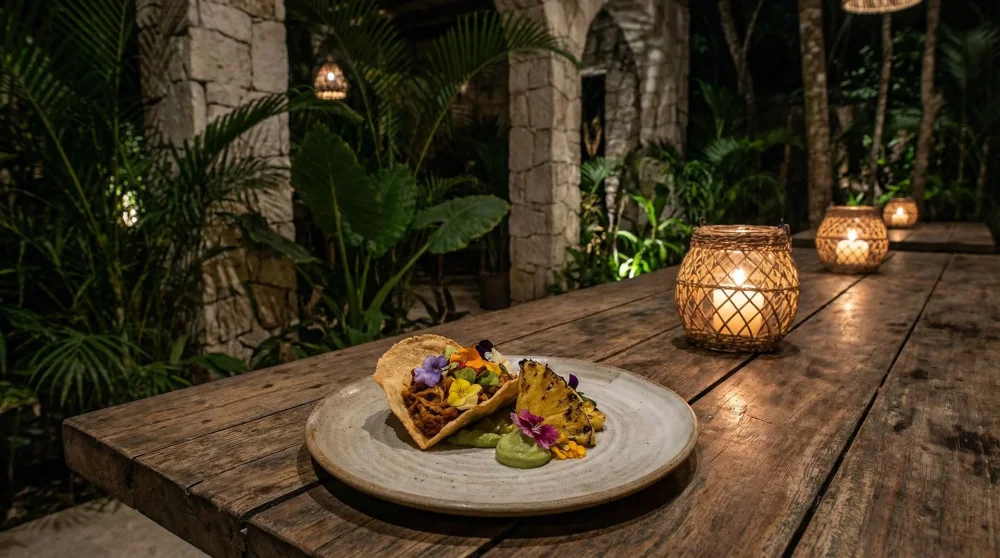
The food here goes far beyond standard resort buffets. You eat traditional cochinita pibil tacos at local street stands in the morning, and you dine on sophisticated Mayan-Japanese fusion dishes in the jungle by night. The town also operates as a massive hub for wellness. You join beachfront yoga sessions, participate in traditional Temazcal sweat lodge ceremonies, and focus entirely on a mental and physical reset.
The Truth About Tulum's Beaches and Sargassum (Seaweed)
You need absolute honesty about the beach conditions. A naturally occurring brown seaweed called sargassum washes up on the shores of the Caribbean. During the warmer months, the buildup gets heavy and turns the clear blue water murky. Hotels work constantly to clear the sand, but it remains a persistent issue. If you travel during the cooler months, you generally find the pristine, postcard-perfect white sands you see in photographs. When the seaweed gets overwhelming, simply shift your plans and spend the day swimming in the cenotes instead.
Tulum Beach vs. Tulum Town (Pueblo): Where Should You Stay?
You basically choose between two completely different atmospheres when booking your accommodation.
Tulum Beach (Zona Hotelera) puts you right on the water or tucked into the jungle side of the beach road. You wake up, grab a coffee, and walk directly to your sun lounger. This convenience comes with a high price tag. You stay in stunning boutique hotels, but you also deal with the noise from nearby beach parties.
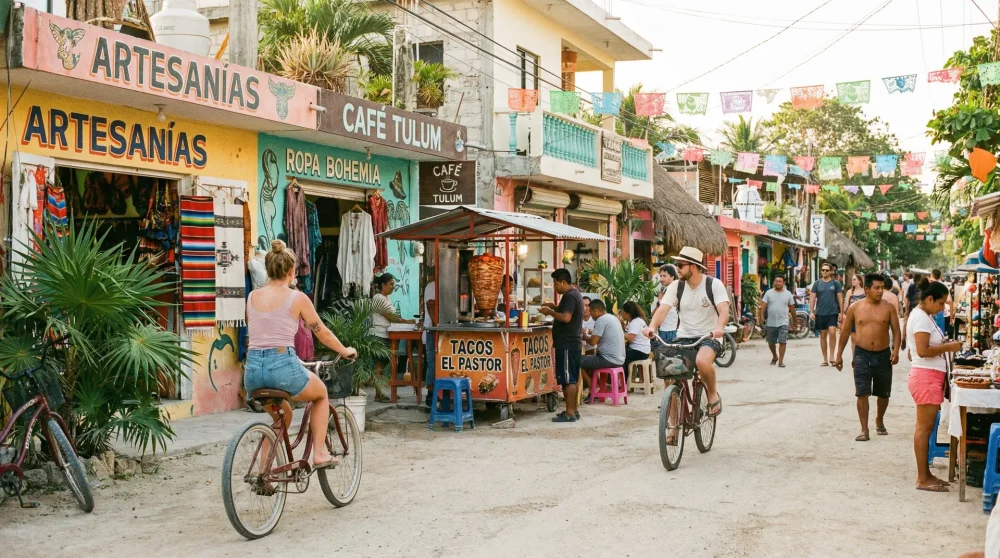
Tulum Town (Pueblo) sits a few miles inland. You find much more reasonable hotel rates, authentic local eateries, and a relaxed daily rhythm here. You interact more with locals and easily walk to grocery stores or pharmacies. The main tradeoff involves transport. You must commute to the beach every day via bike, scooter, or taxi.
Crucial Logistics: Getting Around Tulum
Transportation requires some strategic planning. Ride-sharing apps like Uber do not operate here due to strong local taxi syndicates. Taxis wait on almost every corner, but they run without meters. You must negotiate and agree on the fare before closing the car door.
To avoid the taxi hassle entirely, rent an ATV or a scooter. This gives you complete freedom to explore the cenotes and town at your own pace. For shorter distances between the town and the beach, grab a bicycle. The main road features a dedicated bike lane, making it a safe and active way to get around.
Final Verdict: Who Is Tulum Actually For?
If your ideal vacation involves checking into a massive all-inclusive resort and never leaving the pool, you probably prefer Cancun or Playa del Carmen. Tulum caters to a different travel style. You come here if you want to mix high-end jungle aesthetics with rugged adventures.
You spend your mornings exploring ancient ruins, your afternoons snorkeling in hidden caves, and your evenings eating world-class food under the stars. It demands a bigger budget and a bit more patience with logistics, but the visual and cultural payoff justifies the effort.