You land in Mexico, exchange your money, and hold a significant stack of colorful pesos in your hand. The numbers look large, but the real question isn't about the exchange rate math. It is about purchasing power.
You want to know if that single $100 bill covers a fun weekend in Mexico City or just a few hours at a beach club in Tulum.
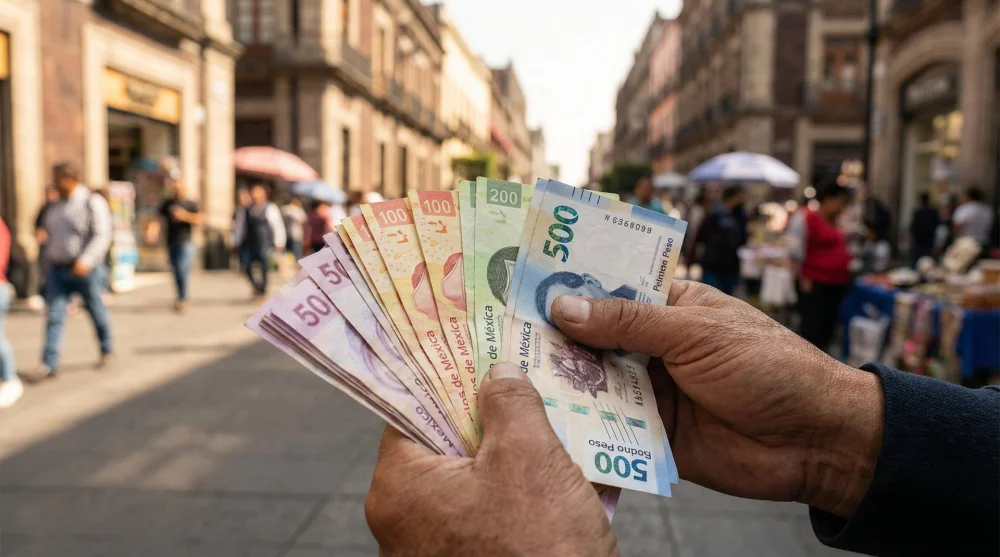
The answer depends entirely on your travel style and your location. In some parts of the country, this amount funds a multi-day adventure. In others, it barely covers a nice dinner for two. We break down exactly how far your money goes when you spend it like a local versus a tourist.
The Taco Index: Street Food vs. Sit-Down Dining
You quickly realize that food offers the best value for your money in Mexico. If you stick to street food, your purchasing power is immense. A budget of $100 allows you to feast on street tacos, tamales, and tortas for a very long time. You could essentially eat breakfast, lunch, and dinner at local stands for a full week and likely still have change left over.
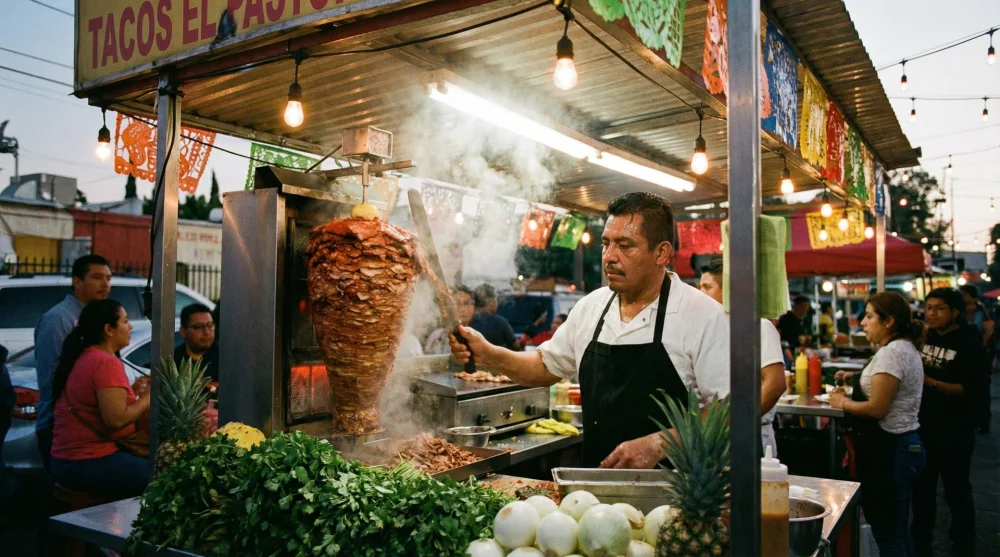
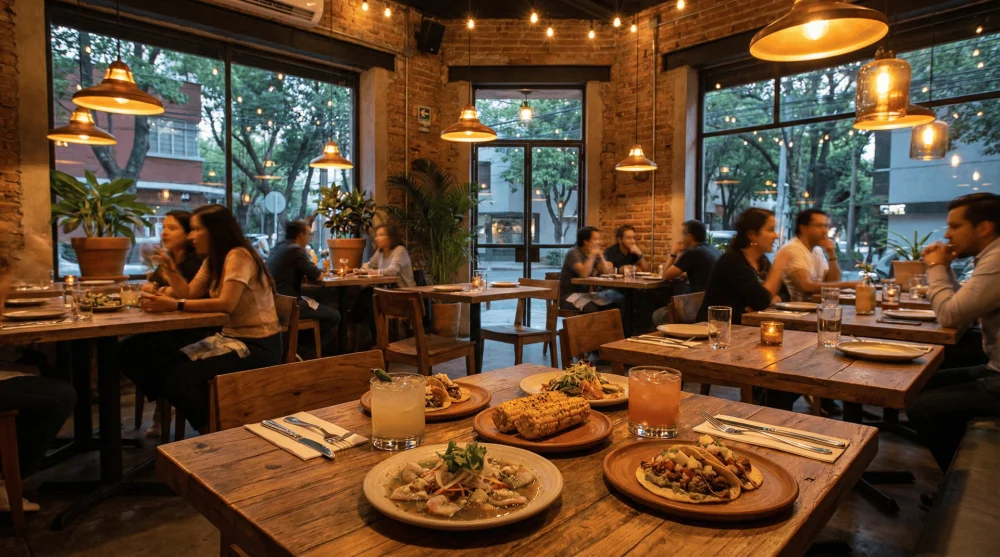
However, the dynamic shifts when you enter a sit-down establishment. In a mid-range restaurant in a popular neighborhood like Roma Norte or Condesa, that same $100 covers a nice dinner for two people, including appetizers, main courses, and a round of drinks.
If you aim for fine dining or renowned culinary hotspots, your budget might only cover a tasting menu for one person, often without the wine pairing.
Accommodation: Where You Sleep Matters
Your choice of destination drastically changes the lifespan of your budget. The hospitality landscape varies significantly between cultural hubs and beach resorts.
The City Experience
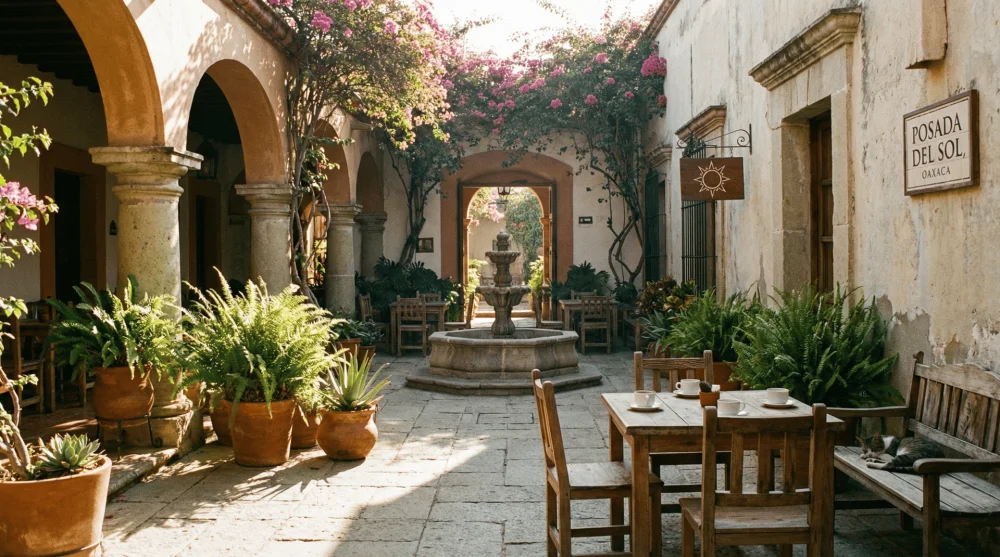
In places like Mexico City, Oaxaca, or Guadalajara, your money stretches further. If you choose a clean, well-rated hostel, $100 secures your bed for several nights. Even if you prefer privacy, this budget often covers a couple of nights in a standard Airbnb or a budget-friendly boutique hotel, provided you avoid peak holiday weeks.
The Beach Reality
The situation changes when you hit the coast. In popular zones like Tulum's Hotel Zone, Cabo San Lucas, or Cancun, accommodation prices skyrocket. Here, $100 might not even get you a single night in a standard hotel near the beach. You often have to move downtown or look for hostels far from the water to make this budget work for an overnight stay.
Transportation Power: Metro vs. Private Transfers
Getting around requires a strategic choice. Public transportation in major Mexican cities provides incredible value. The metro systems and local buses are extremely affordable. With $100, you could theoretically ride the Mexico City metro thousands of times. It is practically impossible to spend this amount on public transit during a standard vacation.
On the other hand, private transportation consumes your budget rapidly. Inter-city bus tickets (like the ADO bus) are reasonable and comfortable, allowing you to travel across several states. However, relying on ride-share apps or private taxis for every trip drains your funds. A single private transfer from a major airport to a distant hotel zone can sometimes cost nearly your entire $100 budget.
The Tourist Trap Warning: Where Money Disappears
You need to be aware of the "tourist price" phenomenon. Certain activities drain your wallet faster than you expect.
- Beach Clubs: In exclusive beach destinations, entry fees or "minimum consumption" requirements often equal or exceed $100 for a single daybed rental.
- Imported Goods: Sunscreen, electronics, and imported clothing brands often cost more in Mexico than they do in the US or Europe.
- Theme Parks: Entry tickets to major eco-archaeological parks in the Riviera Maya often take up a massive chunk, if not all, of your budget.
3 Scenarios: How Long Does $100 Last?
To give you a clearer picture, we look at three different travel styles.
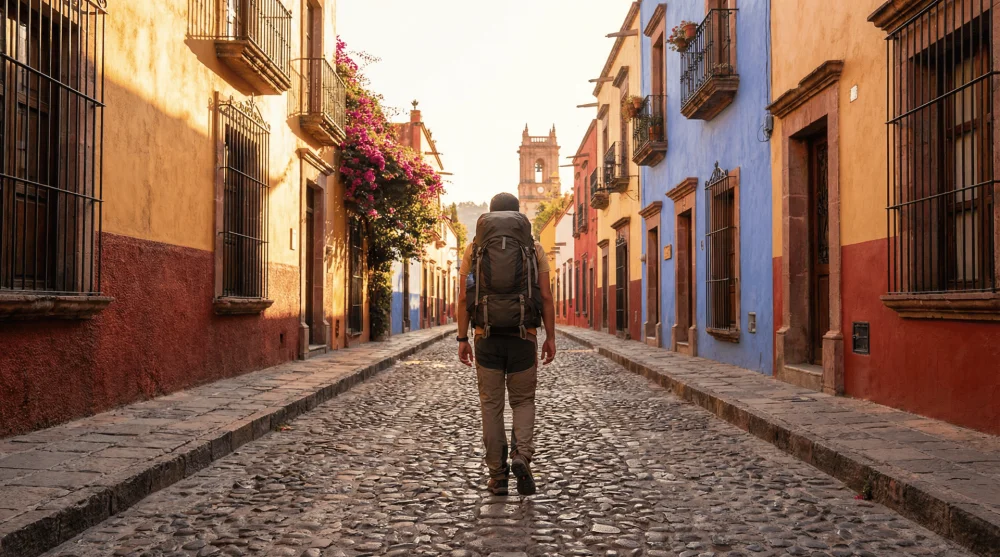
The Backpacker: You embrace the local lifestyle. You stay in hostels, eat street food, drink local beer from convenience stores, and walk or take the metro. In this scenario, $100 easily funds 3 to 4 days of travel, covering all your basic needs and entry fees to several museums.
The Comfort Traveler: You prefer a private room, mix street food with one nice sit-down meal, take Uber occasionally, and visit guided attractions. Here, your budget lasts about 24 hours. It covers your hotel, meals, and daily activities comfortably, but you start fresh the next day.
The Resort Tourist: You stay in an all-inclusive zone but decide to go out for shopping and dinner. You take a taxi, buy a souvenir, and have cocktails at a trendy bar. In this world, your $100 disappears in an afternoon.
Making the Most of Your Peso
Your experience depends on how you choose to engage with the economy. Local markets, street stands, and public transport offer world-class quality at a fraction of the price you pay back home. High-end tourism services charge international rates. You decide the pace at which your money flows.
