Scraping ice off your windshield every morning quickly turns a winter wonderland into a daily struggle. Trading the freezing winds for guaranteed sunshine requires knowing exactly which states actually deliver warm weather - not just on paper, but in practice.
- Warmest overall: Hawaii (average 67.4°F)
- Warmest mainland: Florida (average 59.4°F)
- Best for dry heat: Arizona
- Best for tropical beaches: Hawaii and South Florida
- Best for mild city trips: Texas and Louisiana
The Data: Top 5 Warmest US States in Winter
Numbers never lie when planning a winter escape. The National Climatic Data Center averages out the temperatures for December, January, and February to give a clear picture of the warmest states.
- Hawaii: 67.4°F (19.7°C)
- Florida: 59.4°F (15.2°C)
- Louisiana: 50.9°F (10.5°C)
- Texas: 47.9°F (8.8°C)
- Arizona: 43.6°F (6.4°C)
1. Hawaii: The Undisputed Tropical Escape
Hawaii holds the absolute highest average winter temperatures in the United States. Step off the plane, and the humid, floral air hits immediately.
There is no need for heavy layers here.
Best Warm Winter Spots in Hawaii
Oahu and Maui provide excellent winter conditions. Honolulu stays warm and vibrant, making Waikiki Beach an easy choice for sunbathing in January.
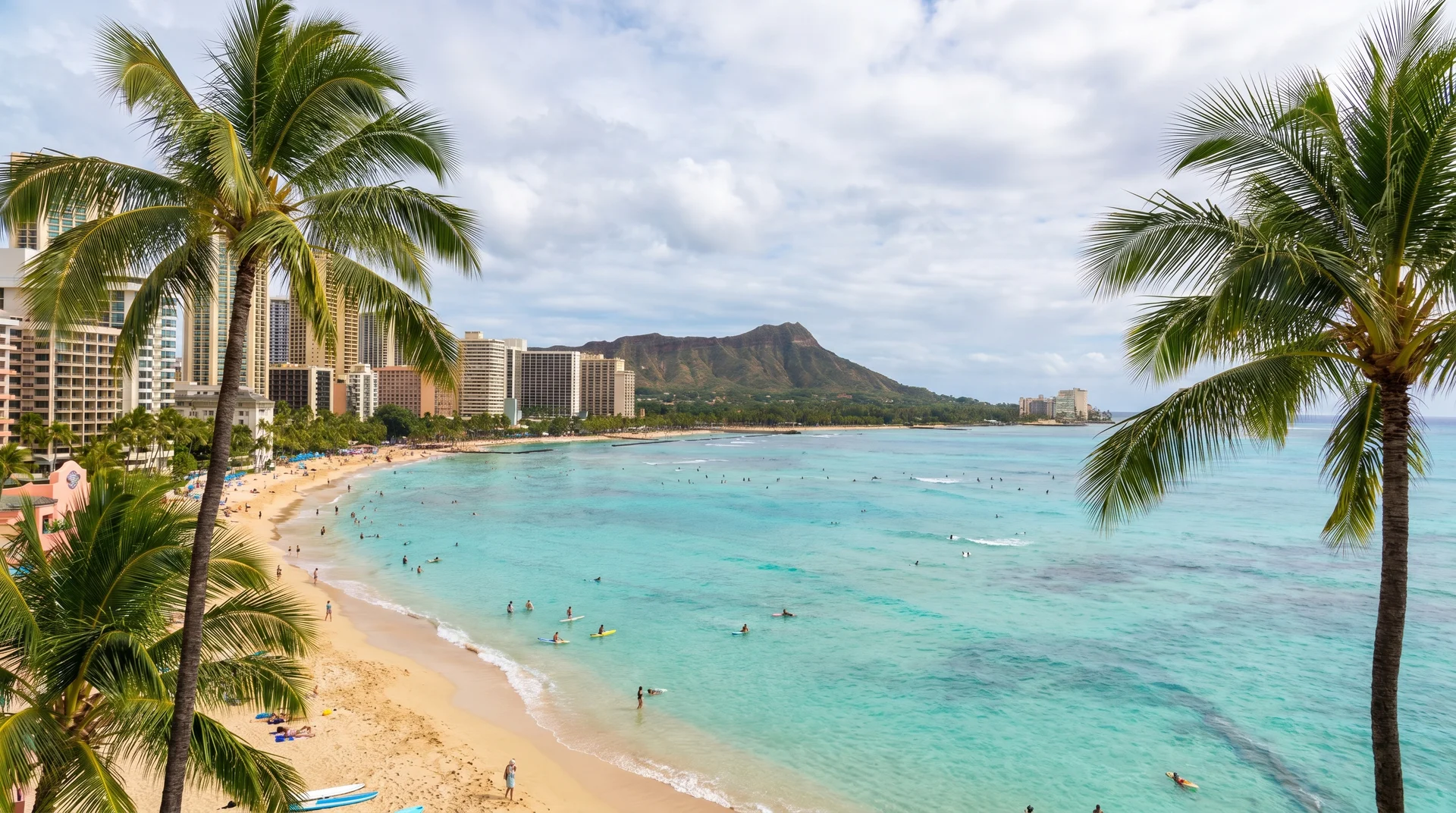
If nature appeals more than city life, Maui offers prime whale watching during the winter months. The ocean waters remain warm enough for snorkeling at Molokini Crater without a wetsuit.
2. Florida: The Sunshine State's Winter Magic
Florida ranks as the warmest state on the mainland, but the weather varies heavily depending on how far south you travel.
Northern vs. Southern Florida: A Crucial Winter Difference
Booking a winter trip to Northern Florida or the Panhandle often leads to disappointment. Temperatures in cities like Jacksonville drop noticeably at night, and a jacket becomes necessary.
For guaranteed beach weather, South Florida is the destination.
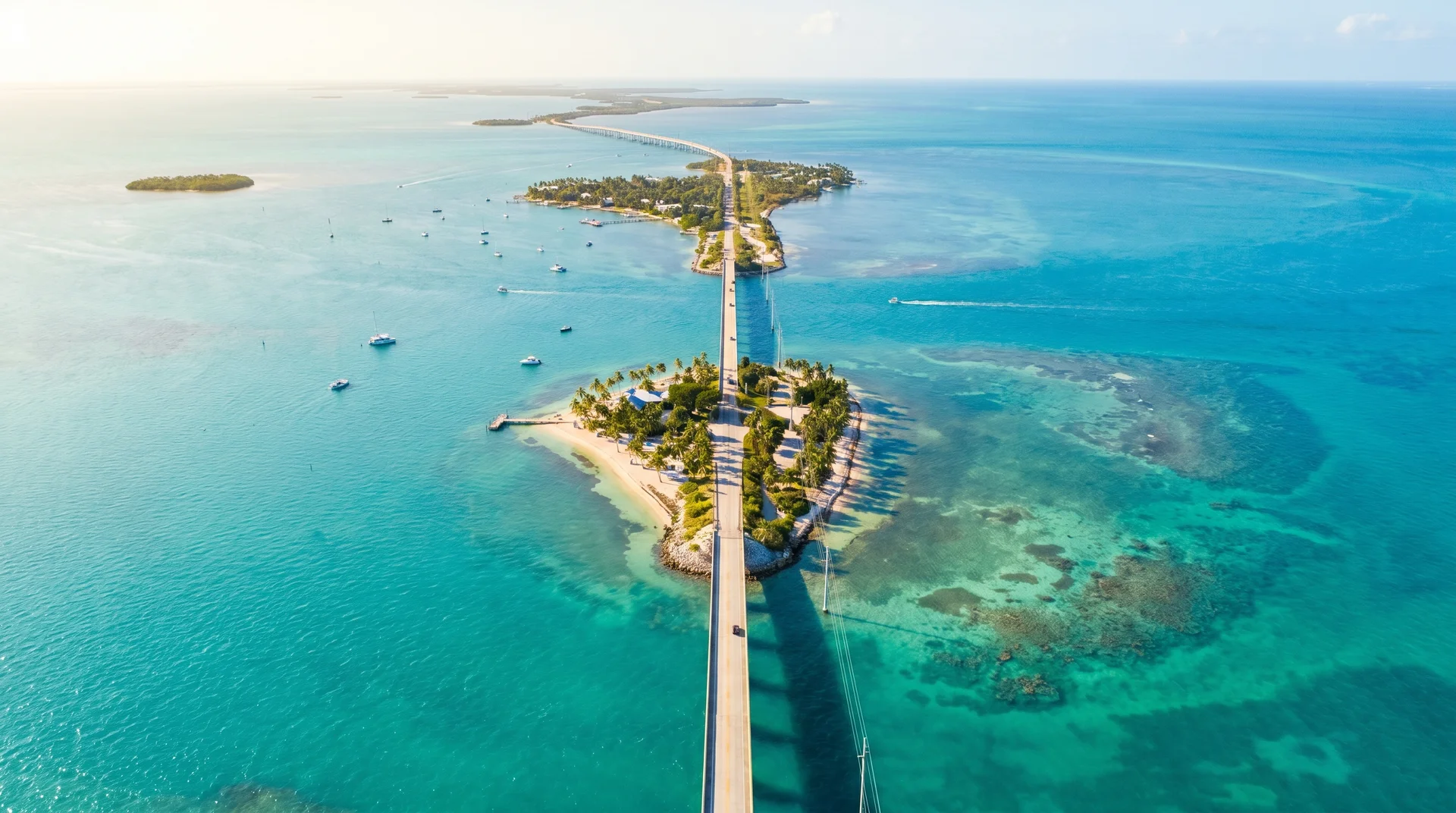
Miami and Key West maintain average daily highs well into the 70s°F. The tropical climate down south allows for outdoor dining and ocean swimming throughout the winter. Key West, sitting at the southernmost tip of the continental US, is the warmest point on the mainland - a fact well known to the snowbirds who flood the island every December.
For coastal exploration, Glass Beach in Fort Bragg shows how dramatically weather can differ across states - a useful contrast when planning a winter itinerary.
3. Louisiana: Mild Weather and Deep Culture
Louisiana offers a completely different winter experience focused on culture rather than beach resorts. The state rarely sees snow, and the mild weather makes walking around comfortable and enjoyable.
Where to Go in Louisiana This Winter
New Orleans shines during the winter months. The oppressive summer humidity vanishes, leaving behind afternoons averaging around 66°F - perfect for exploring the French Quarter.

Spending hours wandering the streets, listening to live jazz, and eating hot beignets without sweating through a shirt - that is the Louisiana winter experience. Winter also means the lead-up to Mardi Gras season, when the city's energy begins building from January onward.
4. Texas: Southern Comfort Without the Snow
Texas is massive, and its winter weather covers a wide spectrum. While the northern panhandle gets freezing temperatures, the southern regions stay remarkably mild.
South Padre Island and Austin in Winter
South Padre Island sits at the southernmost tip of the state, bordering the Gulf of Mexico. This barrier island delivers true beach weather in the dead of winter.
For a city escape, Austin is a reliable choice. Daytime temperatures hover around the 60s°F, making it suitable for hiking around Lady Bird Lake or catching live outdoor music. A light sweater works for evenings, but heavy coats stay in the closet.
Visitors interested in indoor activities will find that Houston's cultural institutions - including the Houston Museum of Natural Science - make a strong complement to the mild outdoor weather.
5. Arizona: Dry Heat and Desert Sun
Arizona provides a sanctuary for those who dislike humidity. The desert climate means clear, sunny skies on almost every winter day.
Phoenix and Scottsdale: The Ultimate Winter Oases
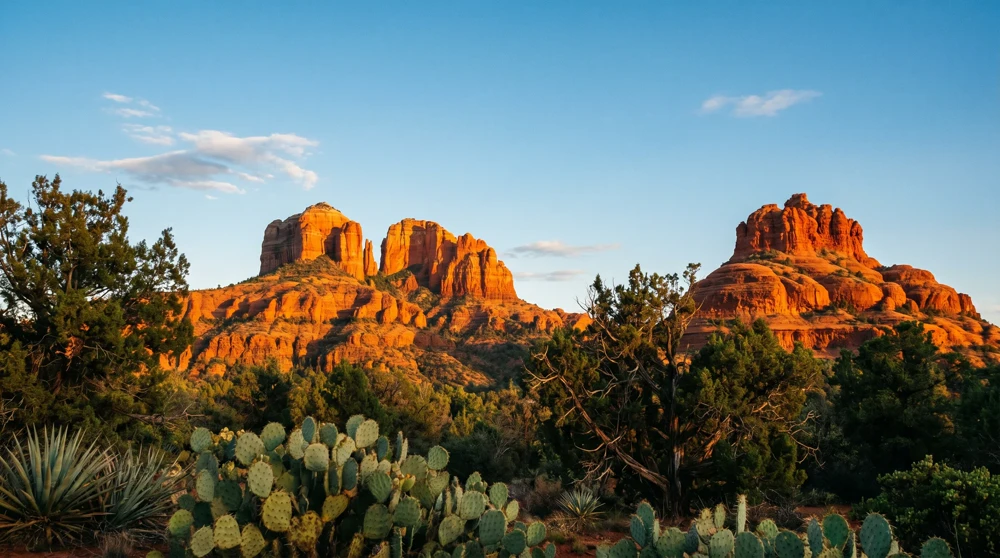
Phoenix and neighboring Scottsdale are the epicenters of winter tourism in the Southwest. The sun beats down warmly during the day, creating ideal conditions for golf rounds and desert hiking.
Hiking Camelback Mountain in July is dangerous, but in January, mid-60s°F temperatures make the climb rewarding rather than punishing.
Keep in mind that desert nights get cold. Once the sun goes down, the temperature drops rapidly - this is the most important planning note for any Arizona winter trip.
Dry Heat vs. Humid Heat: Choosing the Right Winter State
Selecting the right state comes down to how the body handles different types of heat.
Humid heat in Florida and Hawaii feels warmer on the skin. A 65°F day in Miami feels much warmer than a 65°F day in the desert because moisture in the air retains heat. This climate is best for ocean swimming.
Dry heat in Arizona feels crisp. Sweating is less of an issue, and the air feels lighter. This environment works better for active travelers who want to hike or cycle without feeling sticky.
The choice also depends on travel style. Florida and Hawaii offer classic beach resorts; Louisiana delivers food and culture; Texas blends both; Arizona focuses on outdoor adventure and golf. None of them disappoint compared to scraping ice at home.