Navigating the timed entry reservation systems for the most popular US National Parks this summer is the single biggest hurdle standing between you and your road trip. Showing up at the gates of Arches or Yosemite without a pre-booked time slot means getting turned away after driving for hours.
Planning a national park route requires mastering these new logistics, understanding which passes save you money, and knowing exactly when to dodge the peak season crowds.
- Total Parks: 63
- Annual Pass: $80 (America the Beautiful Pass)
- Average Entry Fee (Single Park): $35
- Busiest Season: June to August
- Reservation Requirement: Mandatory for major parks during peak hours
Understanding the US National Park System
The sheer scale of the 63 national parks scattered across the country demands a solid game plan. You cannot simply wing it anymore. The days of spontaneous summer drives into the most famous canyons and valleys are long gone. You need to approach your itinerary like a strategist.
The America the Beautiful Pass: Is It Worth It?
Buying the annual America the Beautiful Pass for $80 is the easiest math you will do for this trip. A standard vehicle entry to a single major park costs $35 and is valid for seven days. If your road trip includes three or more national parks, the annual pass pays for itself immediately.
You can purchase this pass online beforehand or at the first entrance booth you encounter. It covers the driver and all passengers in a personal vehicle. Keep your ID handy, as gate rangers will check if the signature on the back of the card matches your identification.
Timed Entry Reservations and Current Park Rules
Crowd control measures are the new normal. Parks like Yosemite, Arches, Glacier, and Rocky Mountain now require timed entry reservations during the peak 2026 summer season. These slots open months in advance on the official Recreation.gov portal and sell out within minutes.
If you miss the main booking window, do not panic. Most parks release a small batch of next-day tickets at exactly 7:00 PM local time. Set an alarm, create your account in advance, and refresh the page the second the clock strikes. Alternatively, entering the parks before 6:00 AM or after 5:00 PM usually allows you to bypass the reservation requirement entirely.
Best Time to Visit US National Parks by Season
Timing dictates everything from trail accessibility to accommodation prices. Summer brings endless daylight and fully accessible high-elevation roads. It also brings gridlocked traffic and overflowing parking lots.
Spring and fall are the sweet spots for desert parks like Zion, Grand Canyon, and Joshua Tree. The weather is cool enough for strenuous hikes, and the summer crowds have either not arrived or already left. Winter turns parks like Bryce Canyon and Yellowstone into quiet, snow-covered wonderlands, though many facilities and scenic drives shut down completely. Always check the specific park website for seasonal road closures before finalizing your route.
Top Tier: The Must-Visit US National Parks
These are the heavyweights. They feature the most recognizable landscapes on the continent, but they also require the most rigorous planning to visit comfortably.
Yellowstone National Park (Wyoming, Montana, Idaho)
Yellowstone is massive, stretching across three states with its geothermal wonders and abundant wildlife. Driving the Grand Loop Road takes hours even without the inevitable bison traffic jams. To maximize your time, split your nights between different areas of the park.
Start your day at Old Faithful before sunrise to enjoy the eruption without thousands of smartphones blocking your view. Then head towards the Grand Canyon of the Yellowstone. The Lamar Valley is your best bet for spotting wolves and grizzly bears, especially in the early morning light.
Yosemite National Park (California)
Glacier-carved granite walls and towering waterfalls make Yosemite Valley a mesmerizing sight. The sheer scale of El Capitan and Half Dome dominates the skyline from the moment you drive through the tunnel. Parking in the valley fills up by 8:00 AM during summer weekends.
Leave your car at your campsite or lodge and rely entirely on the free park shuttle to get around the valley loop. If you want to escape the valley floor congestion, drive up to Glacier Point or explore the high-country trails in Tuolumne Meadows. For another California coastal nature experience, Glass Beach in Fort Bragg makes a perfect stop on any Pacific Coast road trip.
Grand Canyon National Park (Arizona)
Standing at the rim of the Grand Canyon for the first time redefines your understanding of scale. The South Rim remains the most accessible and heavily visited section, offering numerous viewpoints and visitor centers. The North Rim sits at a higher elevation, receives only a fraction of the visitors, and closes entirely during the winter months.
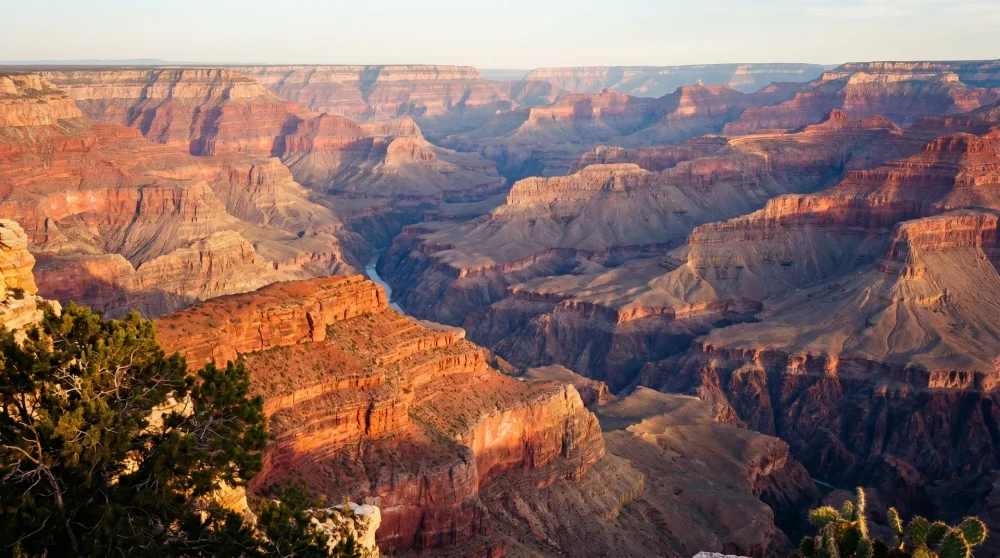
Hiking down into the canyon is a serious undertaking. The temperature rises significantly with every mile you descend. Never attempt to hike from the rim to the river and back in a single day.
Hidden Gems: Less Crowded Alternatives to Major Parks
Escaping the tour buses is easier than you think. You just need to look slightly off the main tourist corridors to find pristine wilderness with absolute solitude.
North Cascades National Park (Washington)
Located just three hours from Seattle, North Cascades is one of the least visited national parks in the country. It offers jagged alpine peaks, cascading waterfalls, and over 300 active glaciers. There is no entrance fee here.
You will not find massive visitor centers or crowded paved trails. This park rewards those willing to put on their hiking boots and navigate steep, challenging terrain. The bright turquoise waters of Diablo Lake provide a stunning backdrop for any hike.
Voyageurs National Park (Minnesota)
Leave your car behind. Voyageurs is a water-based park composed of interconnected lakes, islands, and dense forests. You explore this environment by kayak, canoe, or motorized houseboat.
The lack of roads keeps the casual day-trippers away. You navigate through narrow channels, pitch your tent on isolated islands, and fall asleep to the sound of calling loons. It is also one of the best places in the lower 48 states to see the Northern Lights.
Practical Tips for Planning Your National Park Road Trip
Survival in the parks comes down to preparation. Nature does not care about your itinerary, and cell service is practically nonexistent once you pass the entrance gates. If you are building a broader US itinerary, the Houston Museum of Natural Science is worth a half-day detour for families passing through Texas.
Accommodation: Camping vs. Lodging Inside the Parks
Securing a spot to sleep inside the park boundaries is highly competitive. Historic park lodges book up a full year in advance. Campgrounds operate on a rolling six-month reservation window and fill up instantly.
If you miss out on inside-the-park lodging, look for gateway communities or National Forest land just outside the borders. Dispersed camping on Bureau of Land Management (BLM) land is entirely free and often located just miles from major park entrances.
Leave No Trace and Wildlife Safety Rules
Treating the wilderness with respect is non-negotiable. Pack out all your trash, stay on designated trails to protect fragile ecosystems, and respect fire bans.
Wild animals are unpredictable and dangerous. Keep a distance of at least 100 yards from bears and wolves, and 25 yards from all other wildlife, including bison and elk. Never approach them for a photo. Carrying bear spray is essential when hiking in grizzly territory like Yellowstone or Glacier.
If your US trip also includes a theme park stop, understanding modern ticketing and reservation systems is equally important - the Disney Lightning Lane guide breaks down exactly how the new system works.