Getting to Sint Eustatius often confuses travelers who try to book direct international flights, completely missing that this 21-square-kilometer Dutch municipality is actually a quick 20-minute hopper flight from Sint Maarten. Forget the typical crowded beach bars. Your time here revolves around 18th-century underwater ruins, the volcanic crater of The Quill, and historical echoes of the American Revolution.
- Currency: US Dollar (USD)
- Best time to visit: December to May (dry season)
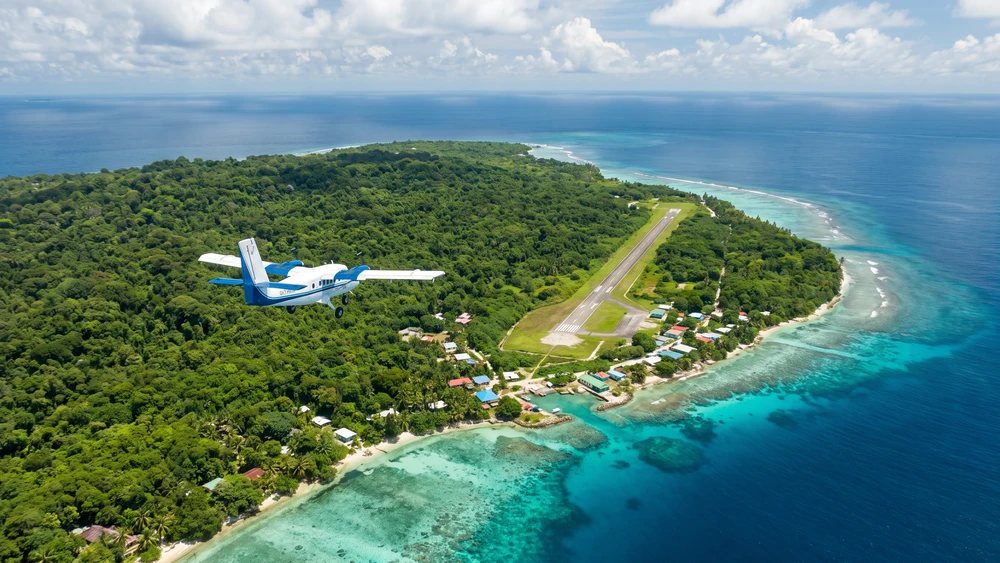
- Flight (from SXM): ~20 minutes (WINAIR)
- Ferry (from SXM): ~2-3 hours (Makana Ferry)
- Average budget: $100-150/day (higher for dive-focused trips)
- Key highlights: The Quill National Park, Fort Oranje, Golden Rock dive sites
Getting to Sint Eustatius from Sint Maarten
Logistics are straightforward once you realize Sint Maarten (SXM) acts as the mandatory hub for the SSS islands (Saba, Sint Maarten, Statia). You cannot fly directly into Statia's F.D. Roosevelt Airport (EUX) from the US or Europe.
WINAIR Flights vs. Makana Ferry
Taking a WINAIR propeller plane is the most efficient method, placing you on the island in just 20 minutes with multiple daily departures. The Makana Ferry offers a cheaper, scenic alternative, but the 2 to 3 hour journey across open ocean gets notoriously choppy. If sea sickness is a concern, spend the extra money on the flight.
Oranjestad: The Upper and Lower Town
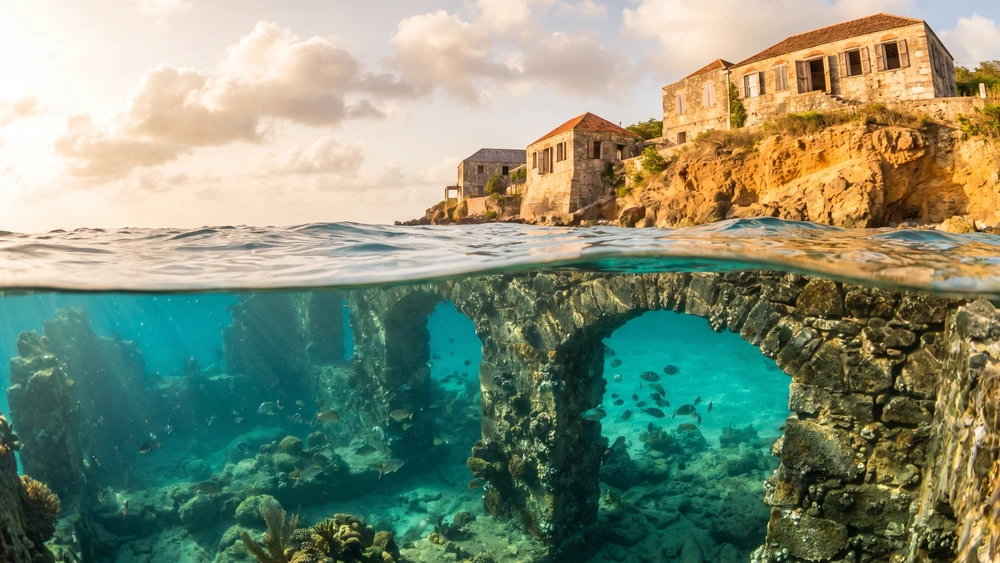
The capital, Oranjestad, splits cleanly into two distinct zones, each holding remnants of the Dutch West India Company's immense wealth. The Lower Town sits at sea level, lined with the submerged ruins of 18th-century warehouses that once processed 3,000 ships a year. The Upper Town rests on a cliff, housing the quiet administrative center and historic forts.
Fort Oranje and the First Salute
Fort Oranje anchors Statia's colonial history on the cliff above Lower Town. On November 16, 1776, cannons fired from these walls delivered the First Salute, the first formal foreign recognition of American independence, before British forces later retaliated and crippled the island's trading economy.
For the full story behind the 1776 salute and the anniversary commemorations, see our dedicated Fort Oranje guide.
The Old Slave Road and Blue Beads
Walking the cobblestones of the Old Slave Road reveals the darker side of this commercial hub. Enslaved Africans were forced up this exact path from Orange Bay to the market square.
Following emancipation in 1863, freed slaves threw their blue beads, a form of currency used by the VOC, into the ocean. Finding a blue bead washed ashore today is incredibly rare, locals say the bead finds you, not the other way around.
Hiking The Quill Volcano
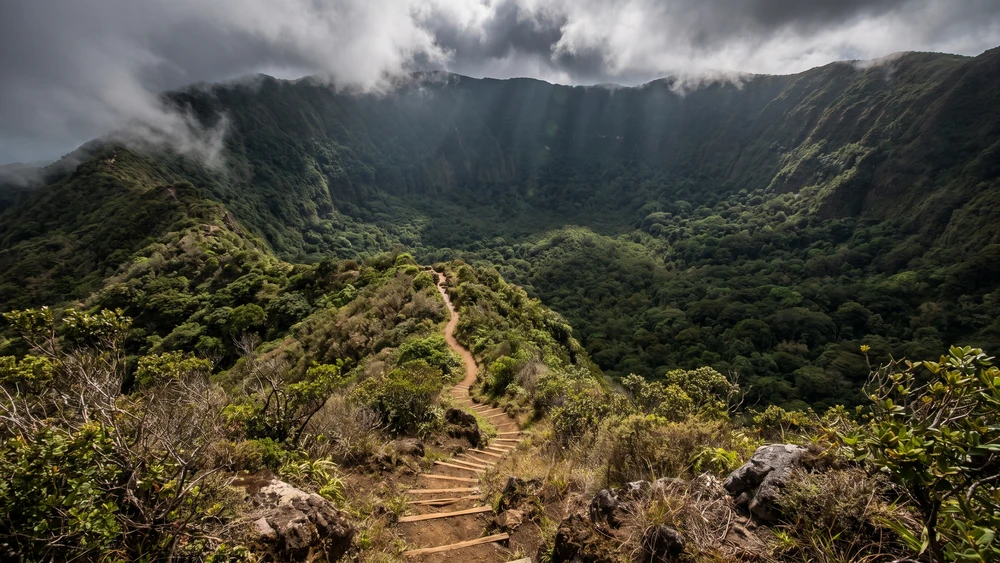
Dominating the southern landscape, The Quill is a dormant stratovolcano rising 601 meters above sea level, its crater sheltering a pocket of dense rainforest that contrasts with the dry scrub at the base. The main trail can be climbed and explored down into the crater in about two to three hours round trip over steep volcanic ground, sturdy hiking shoes and plenty of water are essential, and a small nature fee applies at the trailhead.
Diving the Golden Rock: Shipwrecks & Reefs
Statia's strict marine park regulations and steep volcanic drop-offs make it one of the Caribbean's least crowded, most pristine dive destinations, with reef, pinnacle, and wreck sites suited to every experience level. Well known names among local dive operators include Crack in the Wall, a dramatic pinnacle dive, and the Chien Tong, a sunken fishing vessel nicknamed the turtle hotel for the green and hawksbill turtles regularly spotted resting on its deck.
Getting Around and Practical Tips
There is no Uber or taxi app on Statia, and public transport does not exist, so most visitors arrange a rental car through Roosevelt Airport or their hotel for the duration of the stay. Cash still matters away from the resorts and dive shops, so carry US Dollars for smaller restaurants and local taxis. The island feels small and quiet even by Caribbean standards, with a single main road looping past most of the sights, so distances between Oranjestad, the dive shops, and the Quill trailhead are short.
Where to Stay and Eat in Statia
Accommodations and dining are limited but highly specialized. Due to import costs, food prices run higher than neighboring islands, so budget around $50-100 for a dinner for two.
Golden Rock Resort vs. The Old Gin House
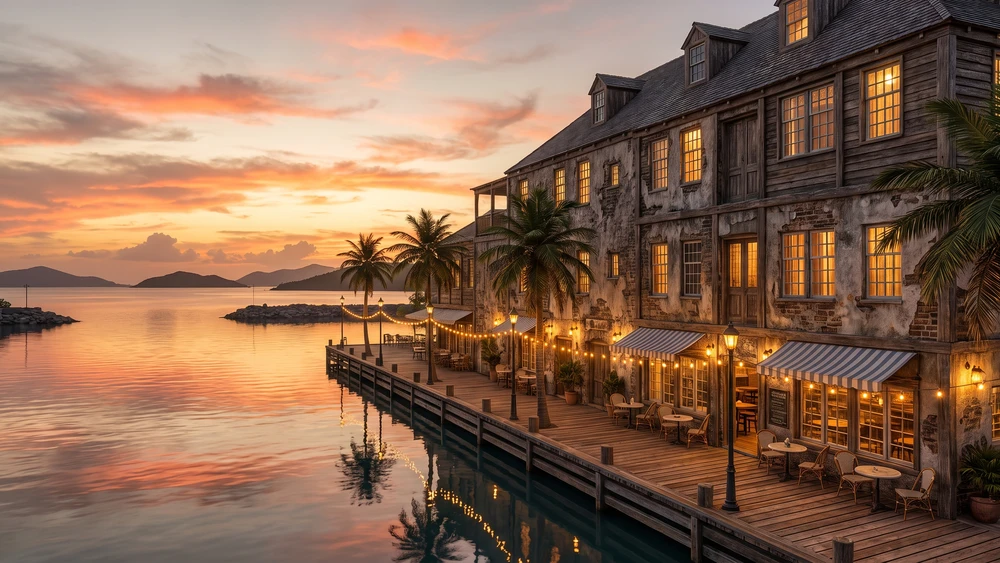
Golden Rock Dive and Nature Resort is the island's first luxury eco-resort, completely off-grid with thousands of solar panels and a greenhouse supplying its restaurant. If you prefer historic charm over modern amenities, The Old Gin House in Lower Town places you right on the water in an 18th-century building. Grab a Friday night drink on the Oranjestad boardwalk near the local cafes, the whole island gathers there for music and fresh seafood.