Skip the fairy tales. You are heading to the Scottish Highlands. The Isle of Skye offers dramatic landscapes, unpredictable weather, and serious logistical challenges. If you think you can just show up and wing it, you are in for a rough ride. Here is exactly what you need to know to navigate the island safely and efficiently in 2026.

How to Get to the Isle of Skye
You have two main options to reach the island. Both require planning depending on your starting point. Before heading north from major cities, make sure you understand the general difference between England, Great Britain, and the UK to avoid any rental car or border confusion.
Driving via the Skye Bridge
The easiest and most reliable way to get to Skye is crossing the toll-free bridge from Kyle of Lochalsh. It is open 24/7. You do not need a reservation, and weather rarely closes it. You just drive straight across and officially enter the island.
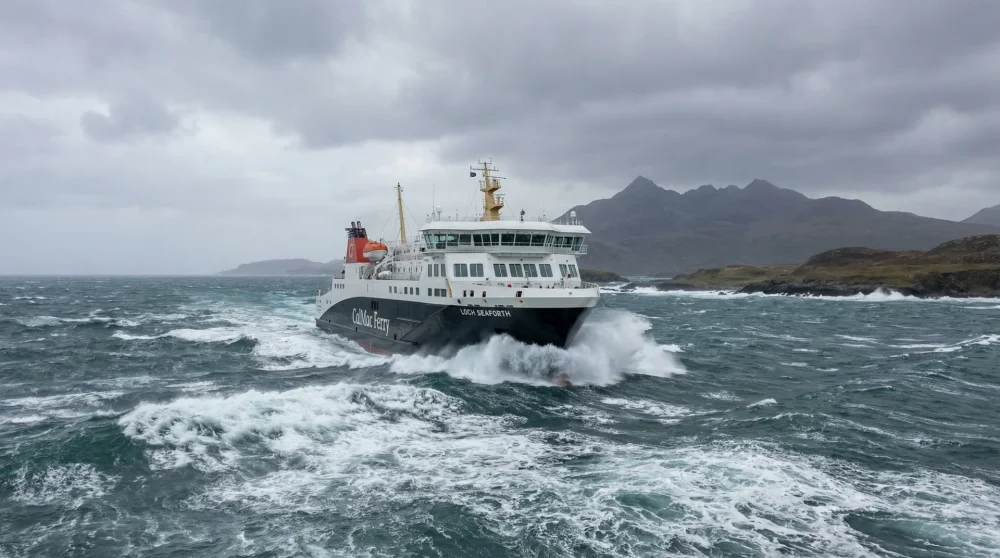
Taking the CalMac Ferry (Mallaig to Armadale)
If you prefer a scenic route, you take the ferry. But beware: you must book your vehicle ticket months in advance. The fee is around £18 for a standard car. If you arrive at the port without a booking in July, you stay on the mainland. Always check the CalMac service status app on the morning of your departure, as high winds frequently cancel sailings.
Essential Things to Do in Isle of Skye
Focus your energy on a few key locations rather than trying to see everything in one day.
The Trotternish Loop: Old Man of Storr and Quiraing
This northern peninsula holds the most recognizable landscapes. You start your hike at the Old Man of Storr early. Be at the car park by 08:00 AM. If you arrive at noon, you will find zero spaces, park illegally on the road edge, and risk a hefty fine. The parking costs £5.
Further north, the Quiraing offers a ridge hike with sheer drops. The wind here literally knocks you off your feet. Check the local mountain forecast before stepping out of your car.
Fairy Pools: Parking and Hike Reality
Social media makes the Fairy Pools look like a quiet, tropical oasis. The reality is quite different. You walk about 40 minutes from the car park just to reach the main pools. The path is gravel and involves slippery river crossings. Wear proper waterproof hiking boots. The massive gravel car park charges £8. Do not expect to swim comfortably unless you pack a thick winter wetsuit.
Neist Point Lighthouse
Head to the westernmost tip of Skye for sunset. The drive involves a long, winding single-track road. Once you park, you walk down a very steep concrete path to reach the lighthouse. Walking down is easy, but the hike back up burns your lungs. There are no toilets and no cafes here, so bring your own water.
Dunvegan Castle and Gardens
When the rain becomes unbearable, you head indoors. Dunvegan Castle is the ancestral home of the MacLeod clan. The entrance fee is £16.50. The interior provides a solid dose of Highland history, and the gardens are surprisingly lush. If the weather permits, take the small boat trip to see the local seal colony up close.
Driving in Skye: Single-Track Roads Explained
This is where most visitors struggle. Many roads on Skye are single-track. This means the asphalt is only wide enough for one car.
You will see diamond-shaped signs marking passing places. If the passing place is on your left, you pull into it. If it is on your right, you stop opposite it and let the oncoming car pass. Never park in a passing place to take photos. Locals rely on these roads for daily commutes and ambulances use them for emergencies.
Where to Base Yourself
Your accommodation location dictates how much time you spend driving each day.
Portree
This is the main town. It has the biggest supermarket, multiple gas stations, and the highest concentration of restaurants. It also books up the fastest. If you want to eat at a pub in Portree, you reserve your table weeks ahead. Walking in and expecting a table at 07:00 PM simply does not work.
Broadford and Dunvegan
Broadford sits right after the bridge. It offers great amenities and a large grocery store without the extreme crowds of Portree. Dunvegan puts you closer to the western attractions like Neist Point. Both are highly practical alternatives if you want to avoid the central bottleneck.

Weather, Midges, and Packing Realities
The weather here changes every 15 minutes. You pack layers. Leave the umbrella at home, the wind destroys it in seconds. Bring a high-quality waterproof jacket and trousers.
From late May to September, you face the Highland midge. These tiny biting insects swarm in damp, windless conditions. They do not carry diseases, but their bites itch intensely. Buy a bottle of Smidge repellent at a local pharmacy and consider buying a head net if you plan to camp near water.