Navigating the strict baggage limits on Winair's tiny Twin Otter flights from St. Maarten is often the biggest logistical hurdle for divers heading to Saba. Once you solve that gear transport puzzle, you immediately face deep volcanic pinnacles that demand rapid negative entries and precise buoyancy control.
| Feature | Details |
|---|---|
| Marine Park Fee | $3 per dive (funds conservation and mooring maintenance) |
| Water Temperature | 77ºF to 84ºF (25ºC to 29ºC) |
| Visibility | 60 to 150 ft (18m to 45m) |
| Experience Level | Intermediate to Advanced (due to depth and unpredictable currents) |
| Primary Topography | Deep volcanic seamounts, lava labyrinths, and coral-encrusted boulders |
Why Saba Diving is Unique: Volcanic Pinnacles and Protected Reefs
Saba does not offer the typical shallow, white-sand Caribbean reef cruising experience. The island is essentially the peak of a dormant volcano shooting straight up from the abyssal depths, and this dramatic topography mirrors itself perfectly underwater. Saba operates entirely outside the mass tourism circuit.
The Saba Marine Park has enforced strict protections since 1987, decades before marine conservation became a global trend. This early intervention means the reefs remain extraordinarily healthy, free from anchor damage, and heavily populated with apex predators. You drop into the water and immediately feel the scale of the environment. Massive chimney sponges, pristine elkhorn corals, and sudden drop-offs define the landscape.
Top Saba Dive Sites Sorted by Experience Level
Advanced Divers: Third Encounter and Eye of the Needle
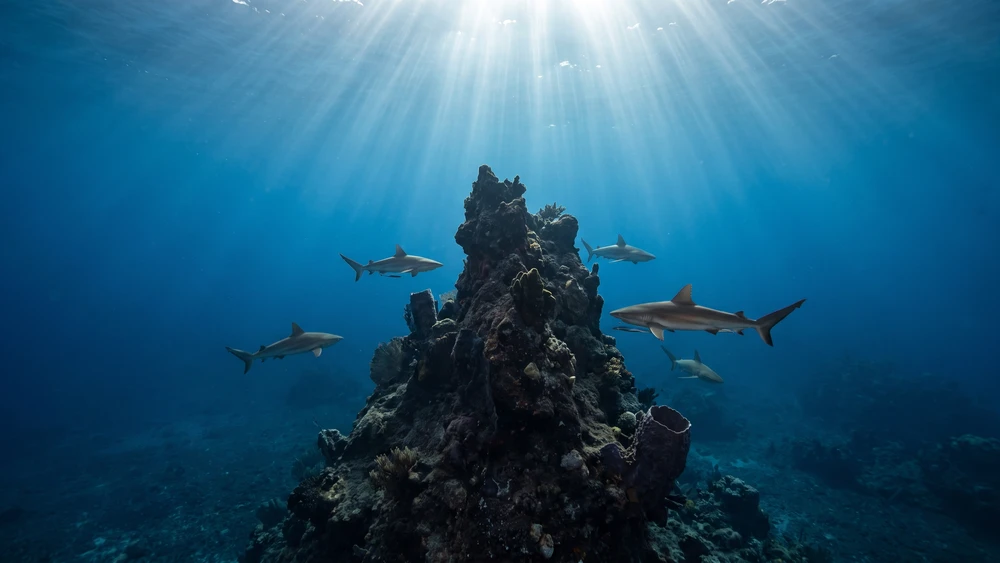
Third Encounter is a sprawling underwater plateau that connects to the legendary Eye of the Needle, a sharp volcanic spire rising from the abyss to within 90 feet (27m) of the surface. This is a deep dive with very short bottom times. Currents here shift rapidly, often requiring you to execute a flawless negative entry right off the boat.
Caribbean reef sharks, nurse sharks, and large Nassau groupers constantly patrol the perimeter of the pinnacle. Keep an eye on the blue water, as lucky divers occasionally spot hammerheads or passing manta rays.
All Levels: Ladder Bay and Customs House
Ladder Bay sits on the leeward side of the island and features a labyrinthine topography created by ancient lava flows. The depths here are much more manageable, ranging from 45 to 100 feet.
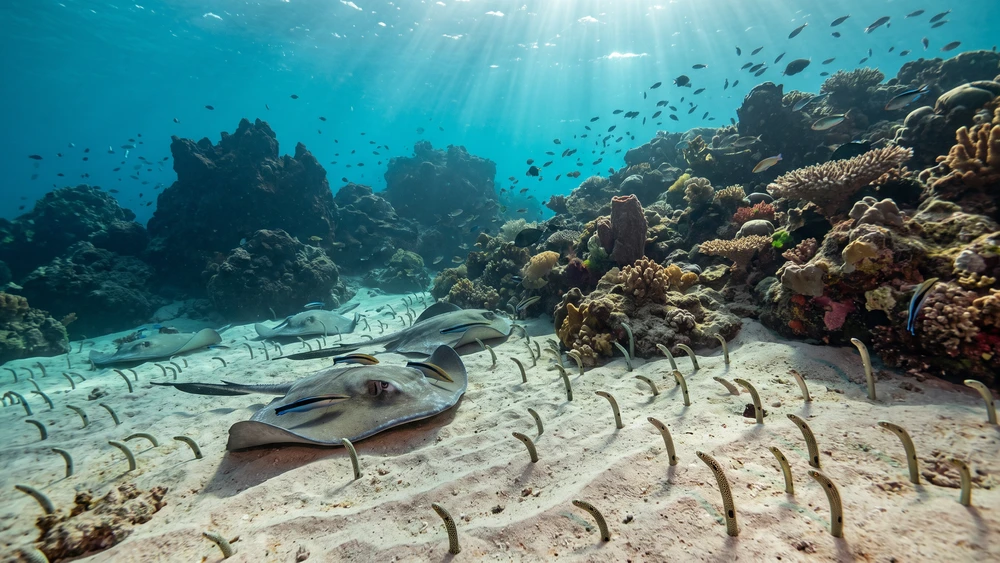
Customs House is a standout site within this bay, named after the abandoned building perched on the cliff above. The sloping reef acts as a massive cleaning station for roughtail stingrays. Fields of garden eels blanket the sandy patches, retracting instantly as you glide over them.
Best for Macro Photography: Tent Reef and Muck Dive
If you shoot macro, the sites near Fort Bay Harbor provide incredible opportunities without the stress of deep-water time limits. Muck Dive lies in shallow water (40 to 70 feet) and features warm, dark volcanic sand. Shortnose batfish, flying gurnards, and the highly entertaining pike blenny use this sandy floor as their hunting ground. Tent Reef offers dramatic overhangs and swim-throughs heavily decorated with yellow cup corals, making it the premier location for night diving in Saba.
Saba Marine Park Rules: What Divers Need to Know
Diving independently is strictly prohibited in Saba; you must dive with one of the authorized local operators or a permitted liveaboard. The Saba Conservation Foundation tightly regulates the waters up to 200 feet deep.
- Dive Fees: You pay a mandatory $3 per dive. This money goes directly toward maintaining the permanent mooring buoys that protect the reef from anchor drops.
- No Touch Policy: Touching, collecting, or harassing marine life is strictly forbidden.
- Buoyancy Checks: Divemasters conduct mandatory buoyancy check dives on your first day to ensure you will not damage the delicate barrel sponges or gorgonian fans.
How to Get to Saba with Scuba Gear
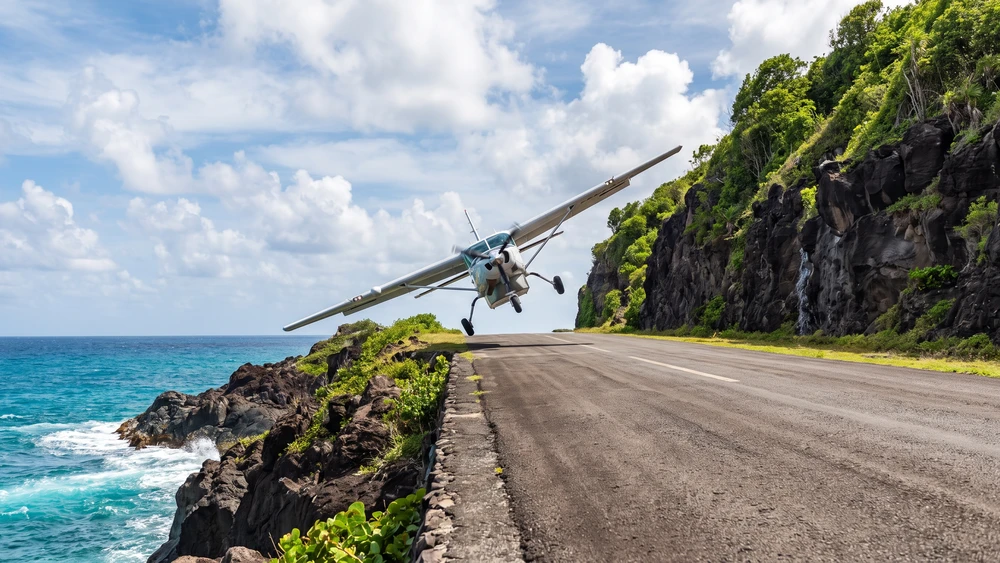
All travel to Saba routes through St. Maarten (SXM). From there, you have two main options: a 12-minute flight or a 90-minute ferry ride. The Winair flight lands on the shortest commercial runway in the world (400m).
Because these planes are exceptionally small, strict weight limits apply. If you travel with heavy scuba gear, your bags might get bumped to a later flight if the plane reaches its weight capacity.
To avoid gear transport anxiety entirely, many divers opt for the Makana Ferry or the Edge high-speed ferry from St. Maarten. The ferry easily accommodates heavy dive bags without the harsh weight restrictions of the aircraft. When packing your dive bag, throw in a dedicated pair of socks to wear indoors on the liveaboard or day boats; it is a highly practical way to avoid leaving bare footprints on wet, slippery decks.
Dive Operators: Liveaboard vs. Land-Based Diving
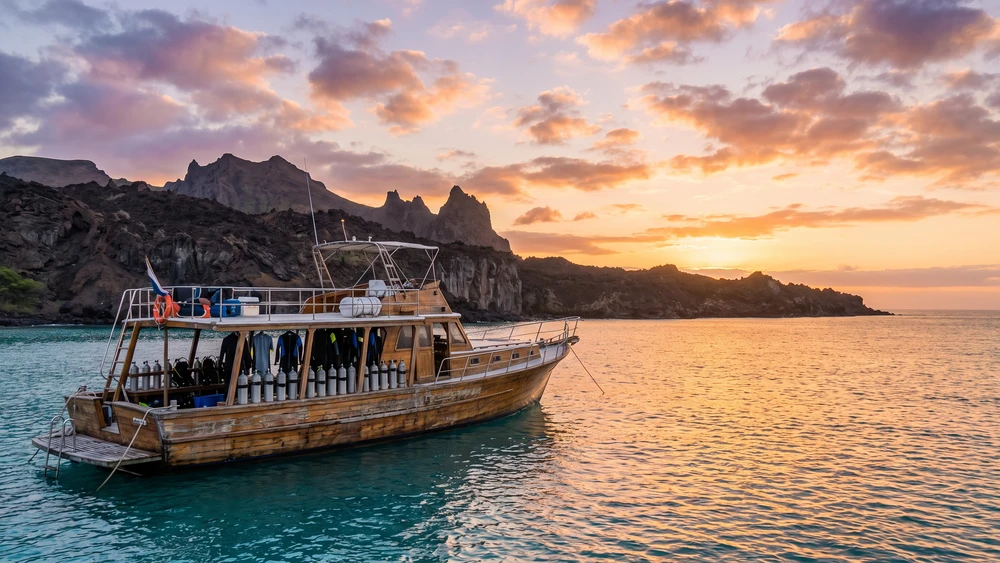
Choosing between a land-based stay and a liveaboard completely changes your Saba experience. Land-based diving requires staying in one of the high-altitude villages like Windwardside or The Bottom. Dive centers like Sea Saba coordinate daily taxi transfers down the steep, winding road to Fort Bay Harbor. This option lets you experience the island's unique terrestrial culture, hike Mount Scenery, and enjoy award-winning local dining.
Liveaboards, such as the Caribbean Explorer II, offer a purely dive-focused itinerary. You eliminate the daily commute down the mountain and gain access to up to five dives a day, including immediate access to remote windward sites like Big Rock Market when conditions allow. Liveaboards also seamlessly combine Saba with diving in neighboring St. Kitts, maximizing your time underwater.
Best Time to Visit for Diving
Saba offers excellent diving year-round, but water conditions and marine life shift with the seasons. The dry season runs from December through May, bringing the best visibility, often exceeding 100 feet (30m). Water temperatures drop slightly to around 79ºF (26ºC) during these months, making a 3mm or 5mm full wetsuit the optimal choice for thermal protection.
Winter also brings humpback whales to the region. While spotting them underwater is incredibly rare, you will frequently hear their songs vibrating through the water while hovering over the pinnacles. If you prefer warmer water, September and October see temperatures peak at 84ºF (29ºC), though this falls right in the middle of the Atlantic hurricane season, which increases the risk of trip disruptions.