Expecting white sandy beaches and massive all-inclusive resorts will ruin your Saba trip before it even begins. This five-square-mile volcanic peak requires a solid logistical plan, starting with how you handle the world's shortest commercial runway or the choppy ferry crossing. You come here for grueling cloud forest hikes, world-class marine parks, and isolated village life, not to lounge in a cabana.
- Currency: USD (widely accepted everywhere)
- Language: English (primary), Dutch
- Getting There: 12-minute flight or 90-minute ferry from St. Maarten (SXM)
- Best Time to Visit: December to April (dry season)
- Transport: Fixed $50 taxi tours, rental cars unnecessary
- Vibe: Rugged, isolated, eco-focused, zero cruise ships
What to Expect: The No Beach Reality of Saba
The island has no beaches. Instead, sheer volcanic cliffs drop straight into the cobalt Caribbean Sea. Operating as a special municipality of the Netherlands, Saba keeps its infrastructure tight, safe, and heavily focused on conservation.
Mass tourism simply cannot exist here because cruise ships have no port to dock at. This lack of heavy foot traffic leaves the island's intricate hiking trails and dive sites completely uncrowded, giving you a rare, quiet Caribbean experience.
How to Get to Saba from St. Maarten
St. Maarten (SXM) acts as your mandatory transit hub. You cannot fly directly to Saba from the US or Europe.
Flights: The 12-Minute Winair Experience
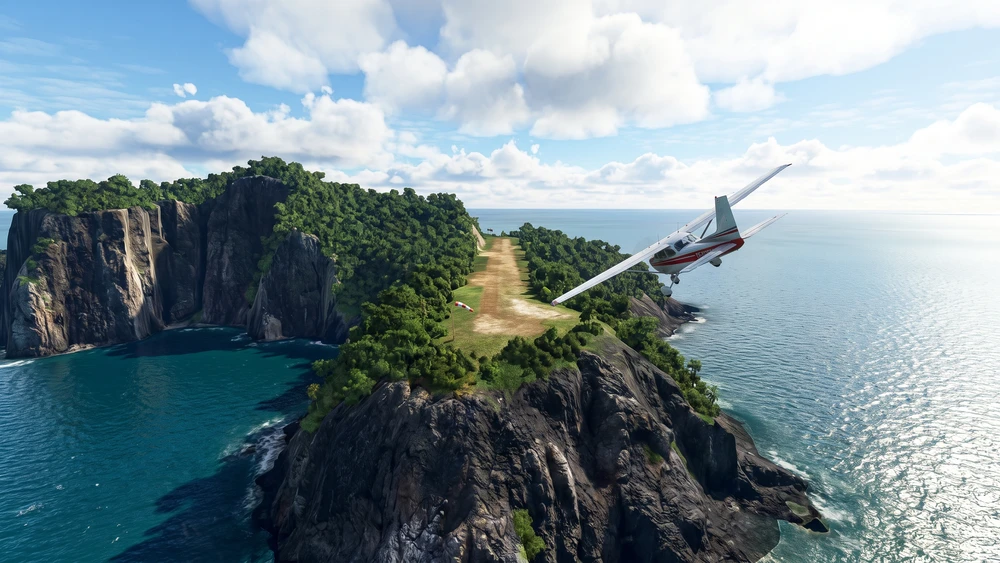
Winair operates multiple daily flights from St. Maarten. The flight takes barely 12 minutes, but the landing is an aviation enthusiast's ultimate thrill. You will land on Juancho E. Yrausquin Airport's 400-meter runway, flanked by a steep rock wall on one side and the ocean on the other. Sit on the right side of the aircraft for the best visual perspective during the dramatic final approach.
Ferries: The Edge vs. Makana Ferry
If small propeller planes aren't your style, the sea route takes about 90 minutes.
- The Edge: Departs from Simpson Bay Resort in St. Maarten on Tuesdays and Fridays. The schedule aligns perfectly for day-trippers, leaving at 9:00 AM and returning at 3:30 PM.
- Makana Ferry: Offers a much more frequent schedule connecting St. Maarten, Statia, St. Kitts, and Saba.
The Caribbean swell between these islands can get rough. If you are prone to motion sickness, take medication an hour before boarding the ferry.
Getting Around: The Road and Island Taxis
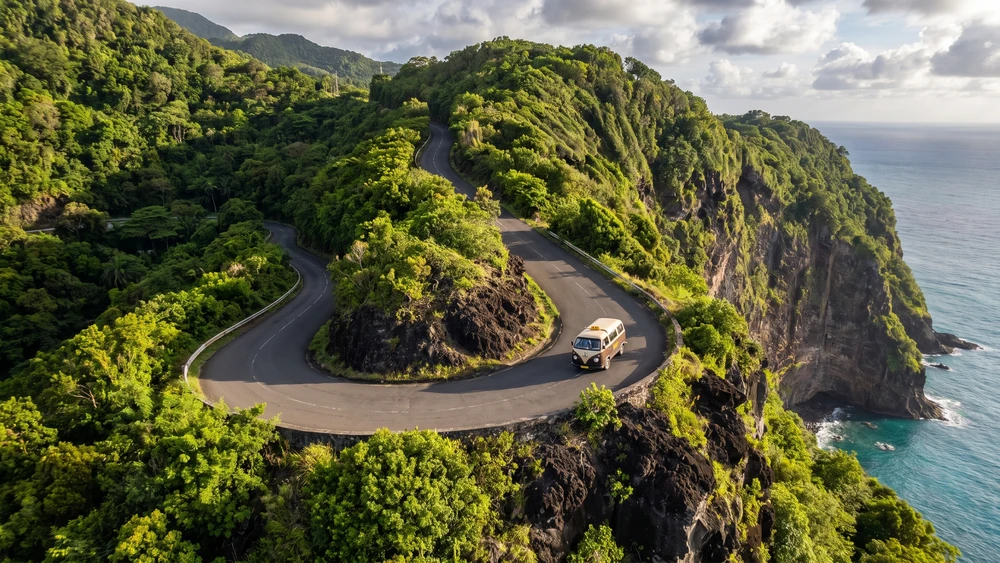
Saba relies on a single major artery, aptly named The Road. Dutch civil engineers once deemed it impossible to build on such steep, rugged terrain, but local Josephus Lambert Hassell designed and led the manual construction of it in the 1930s. Do not bother renting a car. The hairpin turns and steep inclines are intense. Local taxis offer a fixed $50 island tour for up to four people, and the drivers know every blind corner by heart.
Top Things to Do in Saba
Hiking Mount Scenery
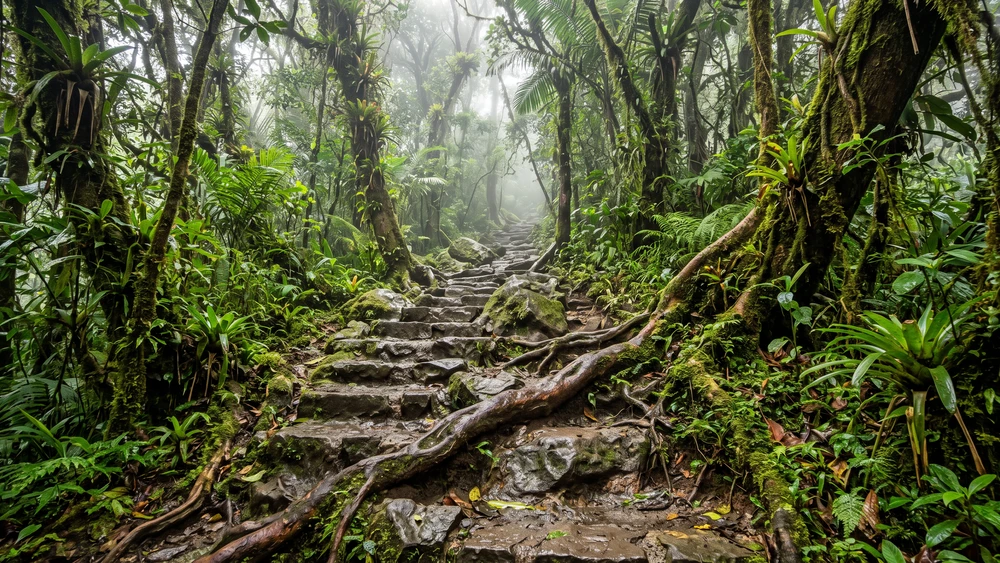
You will climb 1,064 stone steps to reach the highest point in the Kingdom of the Netherlands, standing at 2,877 ft above sea level. The strenuous out-and-back trail cuts directly through a dense cloud forest, meaning high humidity and frequent mud. Wear proper hiking shoes with solid grip, the volcanic stones and sprawling mahogany roots get incredibly slick after a quick tropical shower. When the summit isn't swallowed by clouds, you get sweeping views of neighboring St. Kitts and St. Eustatius.
Diving in the Saba National Marine Park
Protected strictly since 1987, the Saba National Marine Park regulates all aquatic activity to preserve the pristine coral ecosystems left behind by past volcanic activity. Local operators run daily boat trips from Fort Bay to a coastline known across the Caribbean for its clear water and healthy reef life, and both open-water beginners and advanced divers find suitable sites here. This reputation is a large part of why Saba carries the nickname the Unspoiled Queen. For specific dive sites, depths, and boat logistics, see our detailed Saba scuba diving guide.
Exploring Local Arts: Saba Lace and Glasswork
The island sustains a quiet but thriving artisan community. On Booby Hill, you can visit the JoBean Glass Art Studio to watch the artist fire intricate glass pieces, or even book a hands-on workshop. In the shops along the main road, look for traditional Saba Lace. This unique threadwork is a historic island craft, originally introduced in the 1870s and still hand-stitched by local women today.
Where to Stay: Understanding the Villages
Saba is divided into four main residential clusters: The Bottom, Windwardside, St. John's, and Zion's Hill (Hell's Gate).
Windwardside
This is your most practical logistical base. Positioned higher up the slopes of Mount Scenery, the air stays cool and you have immediate walking access to the main hiking trailheads. Windwardside holds the highest concentration of boutique cottages, dive shop offices, grocery stores, and local eateries. If you want convenience without relying on a taxi for dinner, stay here.
The Bottom
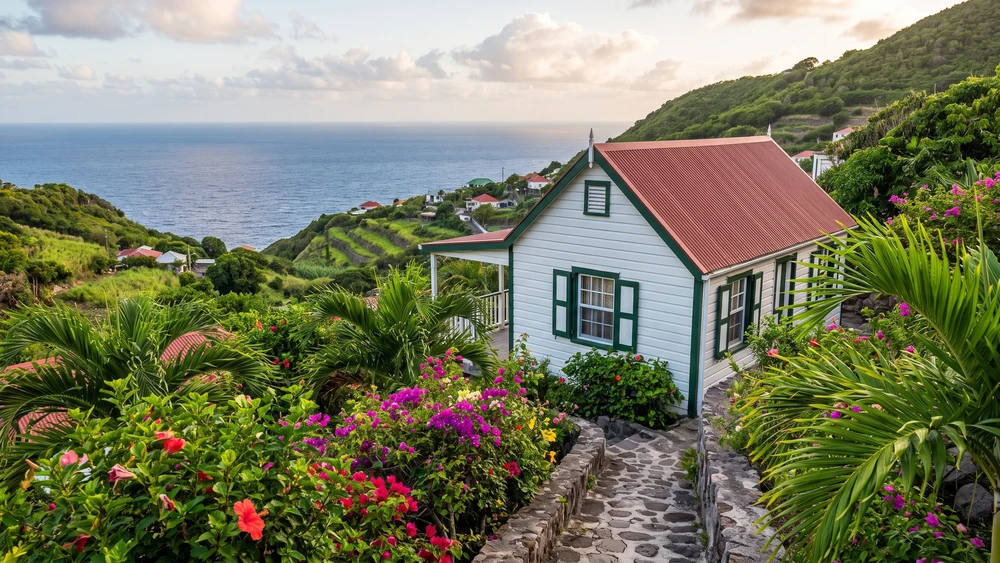
Saba's capital sits lower in a valley just uphill from the main port. It houses the government buildings, administrative offices, and a renowned medical university. While much quieter than Windwardside, it features beautiful traditional red-roofed, white-timbered Saban houses. It also serves as a great starting point for the trail leading down to the rugged Saba Tidepools.
St. John's
This small settlement sits between The Bottom and Windwardside, strung along The Road at a mid-elevation stretch of the island. It stays mostly residential, with a scattering of guesthouses and little in the way of restaurants or shops, so most visitors pass through rather than base themselves here.
Zion's Hill (Hell's Gate)
Perched near the airport at the island's northeastern tip, Zion's Hill takes its Hell's Gate nickname from the exposed, sun-baked terrain around it rather than anything sinister. It's the first village fliers see on the descent, and its small church and cluster of homes make it a quick stop rather than a base for a multi-day stay.
Essential Travel Tips for Saba
Water Conservation: Saba has no central water supply. The entire island relies on rainwater collected in private cisterns beneath the houses. Keep your showers brief and be highly mindful of your daily water consumption.
Grocery Logistics: Almost all food arrives via cargo ships from Miami. The boats dock on Wednesdays, making it the best day to shop for fresh produce.
Budgeting for Imports: Expect significantly higher prices on basic daily items. Goods are taxed twice, first when entering St. Maarten, and then again upon arriving in Saba. A simple jar of peanut butter can easily cost two or three times what you would pay back home.