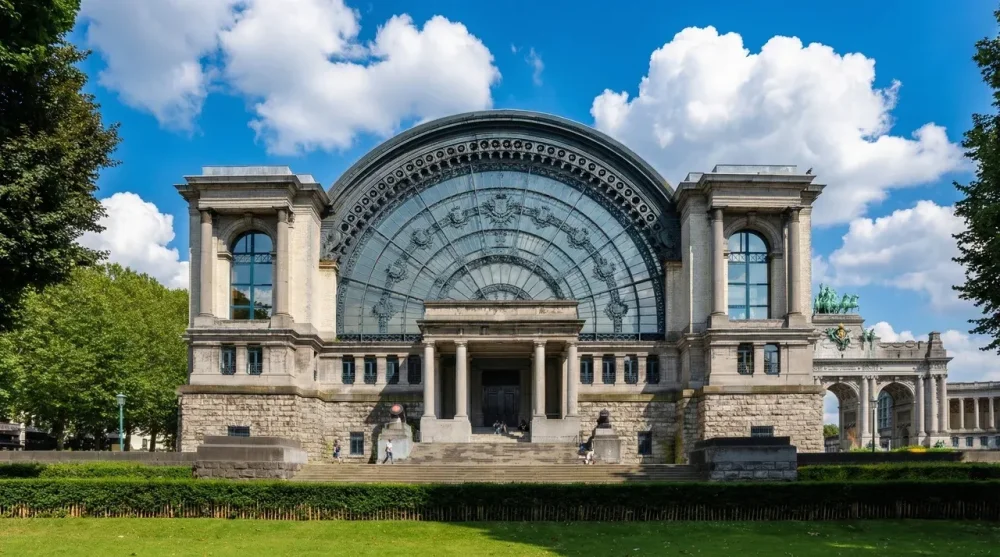
Step into a space where twelve centuries of conflict and strategy unfold right before your eyes. The Royal Museum of the Armed Forces and Military History in Brussels is not just another quiet exhibition hall. It is a massive labyrinthine complex housing everything from medieval broadswords to actual F-16 fighter jets. For anyone planning a trip in 2026, adding this colossal site to your itinerary provides an unforgettable look into the realities of global and European history.
Practical Information for Your Visit
Navigating a museum of this scale requires a bit of strategy. The sheer volume of artifacts easily swallows up your entire afternoon. Plan to allocate a minimum of 3 to 4 hours to truly appreciate the collections without rushing before the doors lock.
Bring your smartphone with a reliable camera translation app ready. While the modernized sections feature excellent English placards, many of the older aviation and pre-war wings primarily use Dutch and French signage.
Entrance Fees and Museum Pass Benefits
Securing your tickets at the door is straightforward. Exploring different ticket options saves you considerable money if you plan to visit multiple cultural spots in the city.
| Ticket Type | Price | Best For |
|---|---|---|
| Standard Adult Ticket | 12 Euro | Single day visits |
| Museum Pass | 64.95 Euro | Access to multiple Belgian museums for a full year |
If you hold the Museum Pass, you bypass the standard ticketing line and walk right into the main galleries.
Opening Hours and Best Time to Visit
Arriving early in the day is crucial. The staff begins clearing the massive hangars about 15 minutes before the official closing time, and you definitely do not want your exploration cut short. Use the free lockers at the entrance for your heavy backpacks, but keep your winter jacket. Half of the museum maintains a comfortable temperature, while the massive aircraft hangars remain unheated and get notoriously chilly.
Inside the Exhibitions: What to Expect
The complex separates into distinct eras, each carrying its own unique atmosphere, layout, and display style.
Historic Weaponry and Medieval Armor
The introductory galleries hit you with an overwhelming parade of uniforms, sabers, and heavy armor. Dim lighting protects the fragile, centuries-old fabrics here. Some display cases rely on motion sensors that illuminate only as you approach. This area carries a delightfully antiquated charm, making it feel like you just stepped into a private nineteenth-century collector vault.
The World Wars: A Deep Dive
Moving into the World War II section changes the entire dynamic. The narrative sharpens immensely here. The displays are highly modernized, offering an engaging layout with excellent sound effects and brilliant lighting. You will find incredibly rare equipment, moving diaries from concentration camp prisoners, and a surprisingly detailed look at the occupation of Belgium.
The Aviation Hall: From Biplanes to F-16 Jets
Walking through the doors into the main hangar is a jaw-dropping moment. The scale is staggering. You stand face-to-face with iconic aircraft like the Spitfire, MiG-17, and the massive A-26 Invader. The presentation here is raw and highly authentic. You will spot dust on the wings and flat tires on some transport vehicles, which only adds to the rugged barn-find charm of the space.
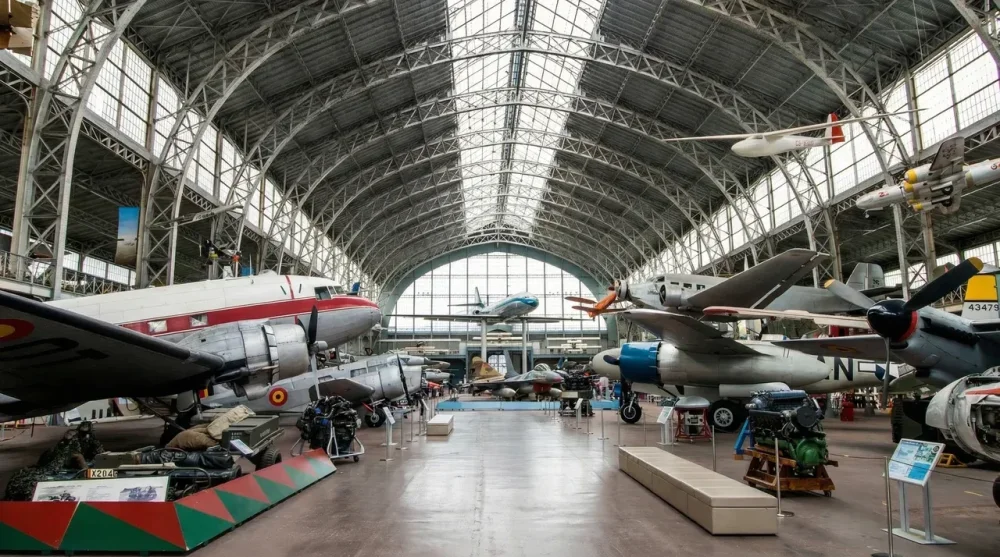
Make a pit stop at the Sky Cafe located right amidst the aircraft wings. Grabbing a fresh sandwich while sitting next to a vintage bomber is an experience you will not easily forget.
Panoramic Views from the Cinquantenaire Arcades
Your museum ticket grants you exclusive access to the rooftop terraces. Take the elevator up to the top of the Cinquantenaire arch. The panoramic view stretching over the European Quarter and the entire Belgian capital is absolutely breathtaking. Doing this right before leaving gives you the perfect photo opportunity to wrap up your day.
CEDOC: Accessing the Military Documentation Centre
For serious researchers and historians, the War Heritage Institute houses an extensive documentation center known as CEDOC. You will find massive archives, technical libraries, and rare historical photographs here. Access to this specific facility requires a prior appointment and operates on a completely different schedule than the main exhibition halls.