Arriving at the Brussels Museum of Natural Sciences without a clear plan leaves you exhausted and lost in the confusing corridors long before reaching the famous dinosaur skeletons. Pick up a physical map at the entrance and plan for at least three hours, ideally four if you want to give the full collection the attention it deserves. The building is vast, the exhibits are incredibly detailed, and managing your energy well makes all the difference.
- Duration: minimum 3-4 hours for a complete visit
- Adults €13, children 4-17 €5, seniors 65+ €10 (2026)
- First Wednesday of every month: free entry after 13:00
- Brussels Card and museumPASSmusees both cover permanent exhibitions
- Free lockers available right after the entrance for coats and bags
- Metro: Schuman or Maelbeek stations, roughly 10-minute walk each
What to Expect Inside the Dinosaur Gallery
The atmosphere in the main hall stops you in your tracks. You find yourself surrounded by the largest dinosaur gallery in Europe, with the sheer scale of the prehistoric displays commanding attention from every direction. The massive space lets you inspect the intricate details of bone structures from multiple angles while immersive sound effects echo around you.
The Bernissart Iguanodon Collection
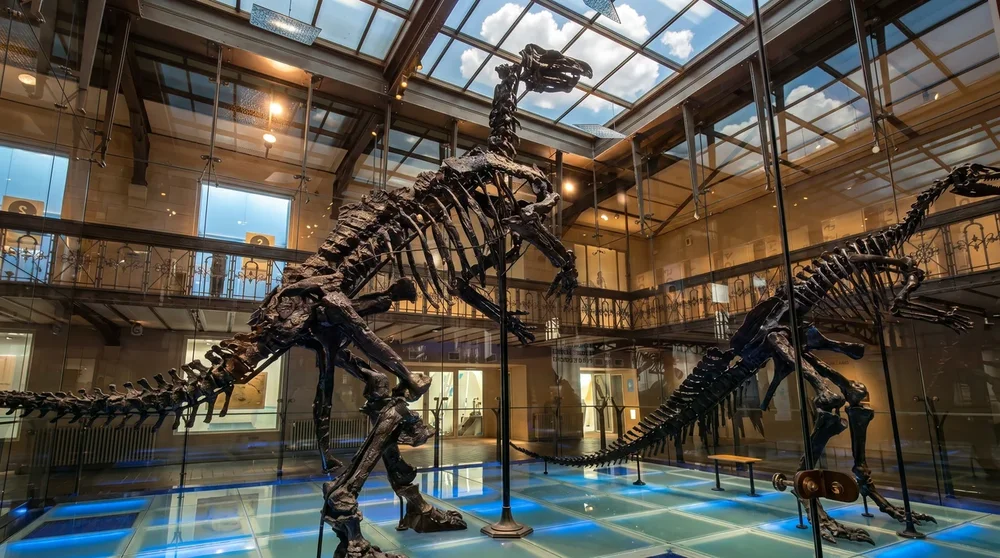
The real highlight of your visit is the Bernissart Iguanodon collection. These massive creatures stand in their glass enclosures, their poses reflecting exactly how they were discovered deep within a Belgian coal mine in 1878. Reading the historical context behind their excavation adds a fascinating layer to the visual experience. Interactive screens sit around the bases explaining the evolution and daily habits of these giants in careful detail. Spend at least 45 minutes here, because rushing through means missing the finer points.
One practical note from visitors: keep your entrance ticket after leaving the Iguanodon hall. Re-entry to different sections requires it, and replacing a lost ticket is not straightforward at the front desk.
Ticket Options and Free Entry Rules
Purchasing tickets online in advance is strongly recommended to bypass the often long lines at the main entrance, especially during Belgian school holidays when queues stretch outside the building. The museum offers discounted rates for students (18-23 with valid card) and children, while infants under four enter completely free with a paying adult.
Free entry applies to all visitors on the first Wednesday of every month after 13:00. Arriving around 12:45 gives you a good position in line before the doors open for free admission. If your Brussels trip involves multiple museums, the Brussels Card offers free access to permanent exhibitions across over 30 museums alongside free STIB public transport for 24, 48, or 72 hours. The museumPASSmusees covers 65+ museums across Belgium and works out better value if you plan to visit museums outside Brussels too.
| Ticket | Price |
|---|---|
| Adult | €13 |
| Child (4-17) | €5 |
| Student (18-23) | €5 |
| Senior (65+) | €10 |
| Child under 4 | Free |
| Annual pass (adult) | €30 |
Prices as of 2026. Always verify current fees at naturalsciences.be.
Best Time to Visit and Beating the Crowds
The temperature on the upper floors and inside the main exhibition gets surprisingly warm during summer months due to limited air conditioning. Starting your visit on the upper floors and working your way down tends to be cooler and less congested in the morning hours. School groups typically arrive between 10:00 and 11:00 and occupy the interactive stations in waves, making weekday afternoons considerably quieter if your schedule allows it.
During Belgian school holidays, the museum fills up quickly and the interactive activities can be difficult to access when groups dominate them. Weekday mornings outside of holiday periods give you the most breathing room, particularly in the Human Evolution gallery, which rewards slow, careful reading.
How to Get to the Museum
Reaching the museum via public transport is straightforward. Take the train to Brussels-Luxembourg Station and walk down the hill directly to the main gates, a pleasant 5-minute route. If you prefer the metro, both Schuman (Metro line 1/5) and Maelbeek (Metro line 1/5) stops put you within a 9-10 minute walk.
Driving is generally not ideal due to limited street parking in the area, but the museum does have two free parking lots, P1 and P2, accessible from Rue Vautier. Arriving before 10:00 makes securing a spot much easier on busy days. If you enjoy pairing natural history visits with science-focused museums, the NEMO Science Center in Amsterdam makes a strong companion stop on a broader Western Europe itinerary.
Facilities: Lockers, Accessibility and the Cafe
The architectural layout of this historic building presents some challenges for visitors with limited mobility or heavy strollers. Lifts connect the main floors smoothly, but certain narrow doors and older ramps require careful navigation. Storing heavy coats in the free locker area right after entering makes navigating the tight exhibit corners far more comfortable.
The museum cafeteria, the DinoCafe, is small and tends to be overpriced relative to the portion sizes. Pasta boxes at around €7-8 with limited options draw consistent criticism from visitors. A wiser approach is to pack your own lunch and use the designated picnic rooms inside, or head to the nearby park. Eating personal food inside the cafeteria seating area is not permitted and actively monitored. Bring a reusable water bottle since staff will gladly refill it on request.
The Houston Museum of Natural Science offers a useful point of comparison for visitors curious how Brussels stacks up against other major natural history institutions, particularly for dinosaur and gem collections.