De Wallen is one of the most visited and most misunderstood neighborhoods in Europe. Walking through the narrow cobblestone streets, you are stepping into a medieval city core that has operated much the same way for centuries, and that comes with a clear set of rules you need to respect.
Where Is the Red Light District?
The neighborhood is officially called De Wallen and sits in the historical heart of Amsterdam's city center. Two main canals form its glowing core: Oudezijds Voorburgwal and Oudezijds Achterburgwal, linked by a maze of tiny alleys. You can walk here from Amsterdam Centraal Station in five to ten minutes.
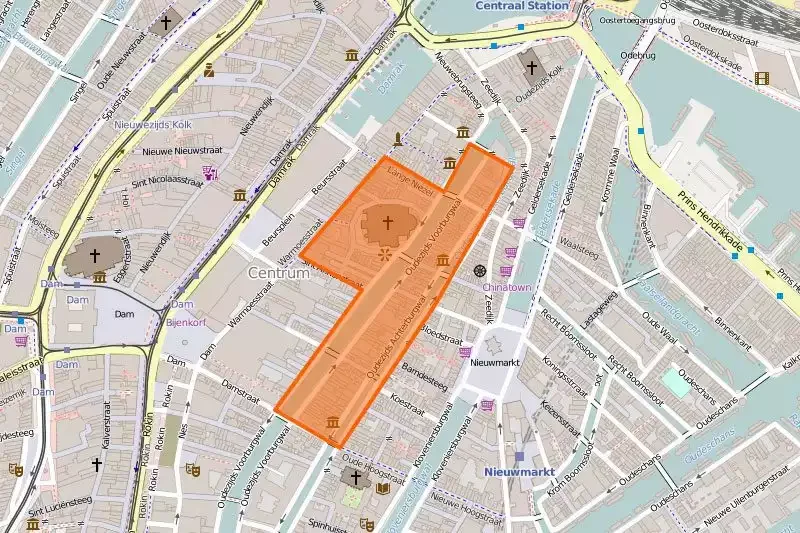
During the day, De Wallen looks and feels like any other charming Dutch canal district. Buildings lean forward at impossible angles, Baroque facades reflect off the water, and the alleyways are quiet enough to appreciate the architecture. After dark, the red neon lights take over and the streets fill fast.
The Rules: Know Them Before You Go
De Wallen is both a residential neighborhood and a workplace. The city enforces several strict rules that visitors are expected to follow without exception.

No Photography Near the Windows
This is the single most important rule in De Wallen. You must not photograph, film, or point your phone camera at any of the illuminated windows or the workers behind them. It does not matter whether you are discreet, you will be spotted.
Bouncers and private security staff watch every stretch of the windows at all times. Attempting to take a photo results in immediate confrontation, and your device may end up in the canal. The same prohibition applies inside any strip club or adult theater.
No Public Cannabis Smoking
Since May 2023, smoking cannabis on the public streets of De Wallen is illegal. The ban extends to Dam Square, Damrak, and Nieuwmarkt as well. Getting caught means an on-the-spot fine of EUR 100.
Coffeeshops remain fully open. You are welcome to purchase and consume cannabis inside them or on designated private terraces. The rule applies only to public street consumption.
No Open Containers or Street Drinking
Carrying open bottles of alcohol or drinking on the public streets of the district is prohibited. Finish your drinks inside a pub, bar, or restaurant before stepping back onto the streets.
Behave Respectfully
The workers in the windows operate as independent contractors inside their own registered workspace. You may approach a window and speak with them at the threshold. They have the full right to refuse service without explanation. Harassment of any kind is not tolerated and police presence in the area is constant.
How the Window System Works
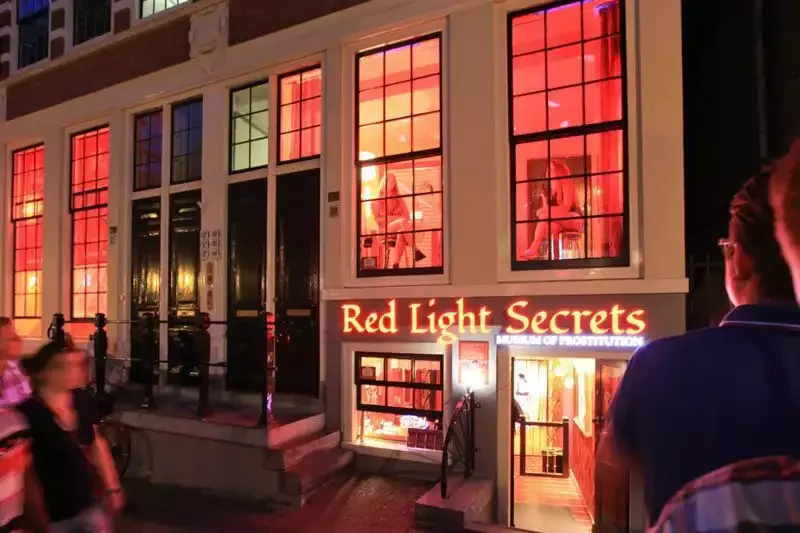
The process is direct and straightforward. If a window is lit and the curtains are open, the worker is available. Approach the door, knock gently, and wait. If the worker is interested, the door opens and you discuss services and pricing at the threshold. All payment is cash upfront. There are ATMs throughout the neighborhood.
If the curtains are drawn, the room is occupied. Move on without knocking.
Is It Safe to Visit?
De Wallen is generally safe, even at night. Uniformed police officers and plainclothes officers patrol the area around the clock. Security staff are stationed along the main canal streets.
The main risk for tourists is pickpocketing. Distracted visitors on narrow bridges and crowded alleyways are a target for organized pickpockets. Keep your phone in a zipped inner pocket, do not carry large amounts of cash visibly, and stay alert in tight spots.
Street dealers occasionally approach tourists near the darker alleyways. They operate illegally and sell substances that are frequently adulterated or fake. Do not engage, do not stop, and do not make eye contact. Walk past without responding.
What Else to See in De Wallen
The neighborhood has more to offer than its adult entertainment reputation suggests.
Oude Kerk is the oldest building in Amsterdam, a 14th-century Gothic church that stands directly in the center of De Wallen. The contrast between the ancient cathedral and the neon lights surrounding it is genuinely striking. The church functions as an active contemporary art venue and has a permanent exhibition on its architectural history. Admission is EUR 13.50 for adults.
Ons' Lieve Heer op Solder (Our Lord in the Attic) is a 17th-century hidden Catholic church built inside a canal house attic. It survived the Reformation period because it was concealed from public view. The interior is remarkably intact and well worth a visit.
Red Light Secrets: Museum of Prostitution offers a self-guided tour through a converted working space. It explains the history of regulated prostitution in Amsterdam, the daily reality of window work, and the ongoing debates around policy. The museum is factual and respectful in its approach.
For a different Amsterdam experience at night, the Amsterdam Light Festival transforms the city's canals and streets with large-scale light installations each winter, a sharp contrast to De Wallen's permanent glow. Families visiting Amsterdam often combine cultural stops with a trip to the NEMO Science Center, which sits on the waterfront a short walk from De Wallen.
When to Visit
The district runs 24 hours. For a quieter walk focused on architecture and history, go in the morning or early afternoon. The windows begin filling up in the late afternoon and reach peak activity after 10 PM. Thursday through Sunday are the busiest nights.
Guided tours are heavily restricted by city regulation and are no longer permitted to pass the prostitution windows directly. Independent walks are the standard approach for most visitors.
Getting There
Walk from Amsterdam Centraal Station in five to ten minutes heading south through the old city. The neighborhood is also reachable by tram (stops near Nieuwmarkt) and by boat along the canals. Paid parking is available nearby but the city center is heavily congested, so public transport or cycling is the practical choice.