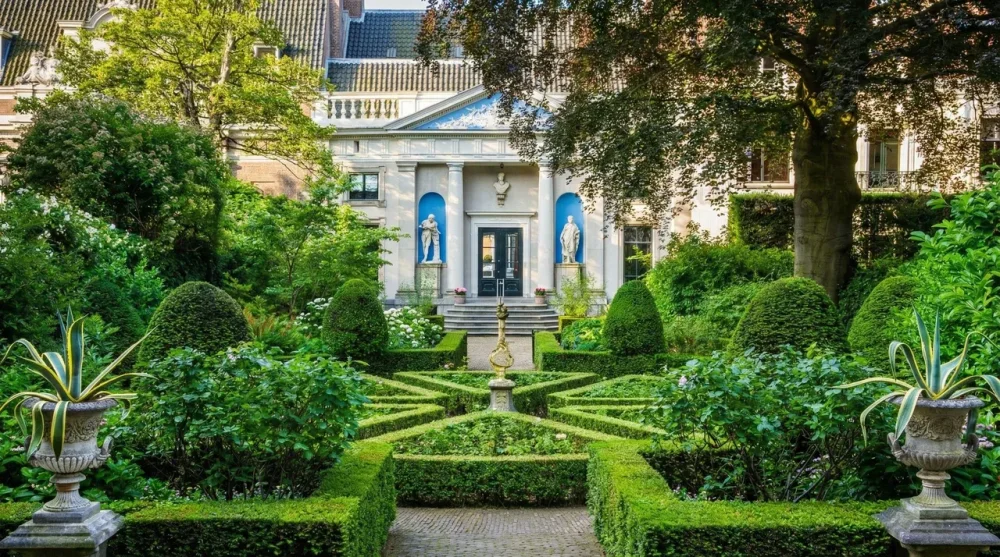
Heading to the Benaki Museum without verifying which branch you want often leads to a frustrating detour across Athens. The main neoclassical mansion you actually want is the Benaki Museum of Greek Culture in Kolonaki, and timing your arrival poorly means paying full price instead of getting in for free.
General Admission: €12 (€9 reduced) Temporary Exhibitions: €8-€10 Free Entry: Thursdays from 18:00 to 24:00 Closed on: Tuesdays Nearest Metro: Syntagma or Evangelismos (Lines 2 and 3) Pro Tip: Bring your own headphones for the free QR code audio tour.
What to Expect at the Benaki Museum of Greek Culture
Instead of overwhelming visitors with disconnected artifacts, this museum operates like a perfectly organized time machine. The layout pushes you along a strict chronological path from prehistory straight through to the 20th century. Every single exhibit is clearly numbered. You simply follow the sequence to watch Greek history unfold organically.
The atmosphere inside is deeply personal and unexpectedly quiet. The building itself is a stunningly restored family mansion originally owned by Antonis Benakis. He donated his massive private collection to the Greek state, creating a space that feels more like a wealthy merchant's home than a sterile national institution.
Inside the Collections: A 5,000-Year Timeline
Spending around two to three hours here gives you enough time to absorb the massive shift in cultures. The transition between the floors highlights the evolution of the Greek spirit through foreign occupations and independence.
Ground Floor: Prehistoric and Ancient Antiquities
Your route starts with Neolithic tools, Cycladic figurines, and classic ancient Greek pottery. The displays are well-lit and not overly crowded. You get a strong foundation of the classical era without the exhausting scale of larger archaeological sites.
First Floor: The Byzantine and Post-Byzantine Era
Walking upstairs shifts the mood entirely towards religious art and early Christian artifacts. The icon section here is extraordinary. You will easily spot an early work by El Greco, standing out with its distinct style. The intricate silver liturgical objects and carved wooden iconostases show a completely different side of Greek heritage.
Upper Floors: Modern Greece and Traditional Costumes
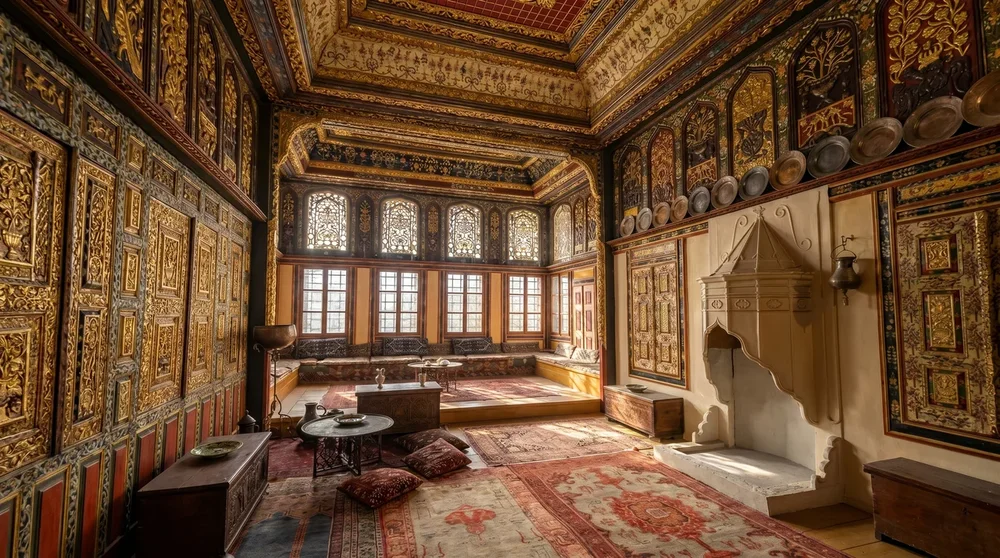
This is the absolute highlight of the entire building. The top floors focus heavily on the Greek Revolution, regional fashion, and interior design. The 18th-century wood-paneled rooms brought in from Kozani mansions are spectacular. You step right into the incredibly detailed, wealthy living spaces of the Ottoman era.
The traditional costumes from various ethnic groups and regions showcase incredible embroidery and craftsmanship. Do not miss the famous portrait of Lord Byron and the breathtaking gold jewelry collections. These upper galleries usually hold visitors' attention the longest. Be aware that this top section has a few half-flights of stairs, making it slightly tricky for wheelchair users.
Tickets, Opening Hours and Free Entry Days
Standard entry costs €12 for 2026 during regular hours. If you want to dive deep into the history without watching the clock, paying the fee is completely justified. Scanning the QR codes next to the displays instantly loads an excellent audio tour on your phone.
To save money, plan your visit for a Thursday evening. The museum drops the entrance fee entirely between 18:00 and midnight. Exploring the dimly lit neoclassical halls late at night adds a very different, almost cinematic layer to the experience.
The Rooftop Cafe: A Perfect Stop in Kolonaki
Museum restaurants are usually overpriced and underwhelming, but this one breaks the rule. Located on the third floor, the rooftop terrace offers fantastic views over the National Garden and the Hellenic Parliament.
The menu features high-quality Greek dishes like sea bass and stuffed peppers, paired with excellent local wines like Malagousia. If you time your coffee break for Sunday around 11:00 AM, you get a perfect elevated view of the Presidential Guard parade marching by.
Important: Do Not Confuse the Benaki Branches
Athens holds multiple institutions carrying the Benaki name, and tourists mix them up constantly. The building on Koumbari Street is the Museum of Greek Culture. This is the one with the ancient artifacts, traditional dresses, and the Kozani rooms.
If your map takes you to Pireos 138, you will end up at a massive industrial building dedicated entirely to contemporary art and photography. Both are excellent, but they serve completely different historical interests. Always double-check your destination address before getting into a taxi.