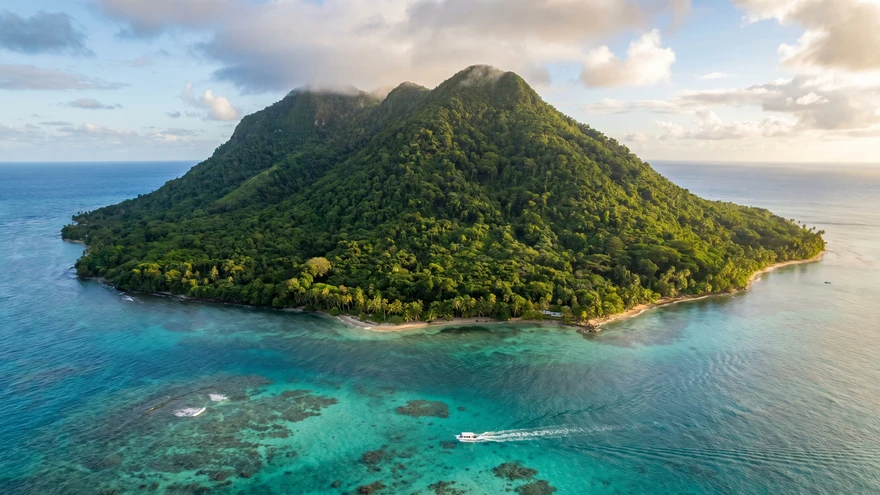
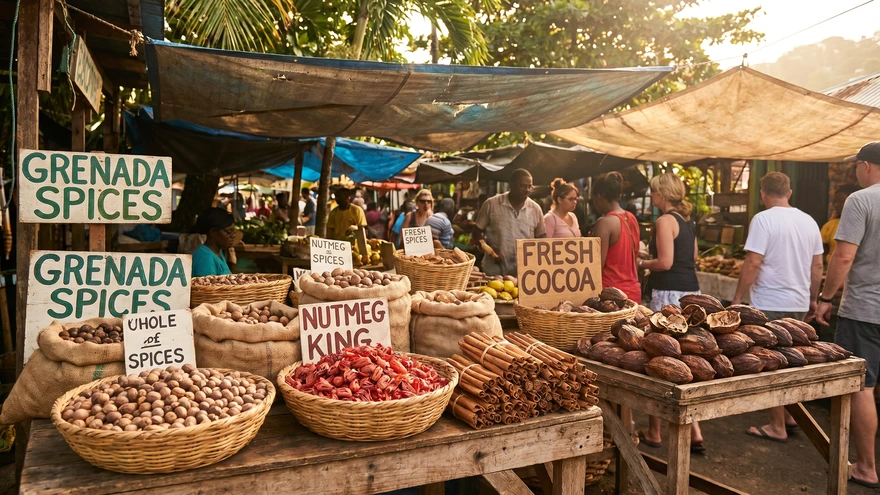
Petite Martinique is Grenada's smallest and least-visited inhabited island, and for travelers who genuinely want to step away from mass tourism, it delivers in full. With a population of around 900 people, a deep seafaring heritage, and no tourist infrastructure to speak of, this tiny island offers something increasingly rare in the Caribbean: authentic stillness.
How to Get to Petite Martinique
There is no airstrip on Petite Martinique. All access is by boat, and the journey is straightforward once you understand the two-leg structure.
Step 1 - Grenada to Carriacou: The Osprey Lines fast ferry departs from The Carenage in St. George's, Grenada, and runs Monday, Wednesday, and Friday to Hillsborough, Carriacou. The crossing takes approximately 90 minutes. One-way fare: EC$80 (roughly US$30). You can also take a short domestic flight from Maurice Bishop International Airport to Lauriston Airport on Carriacou if you prefer to skip the sea leg.
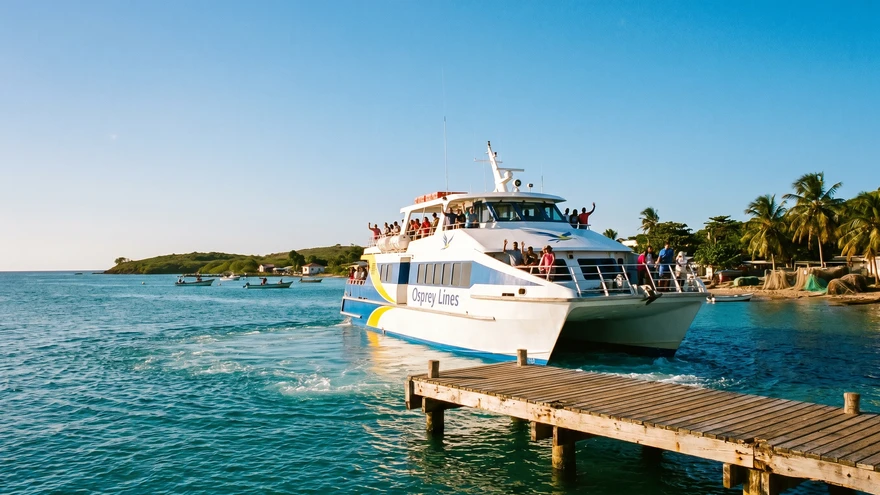
Step 2 - Carriacou to Petite Martinique: From Hillsborough, the Osprey ferry continues onward to Petite Martinique. This second crossing takes around 20 minutes. One-way fare: EC$20 (roughly US$7). Local fishermen from Windward village also offer informal water taxi transfers for a similar price.
Plan your itinerary carefully: the Osprey schedule runs only three days a week, so timing your arrival and departure is essential.
Top Things to Do on Petite Martinique
The island is compact - roughly circular and less than a mile across - so you can explore its entirety on foot in a half-day. The appeal is not in a long activity list but in the depth of what little there is.
Hike the Piton
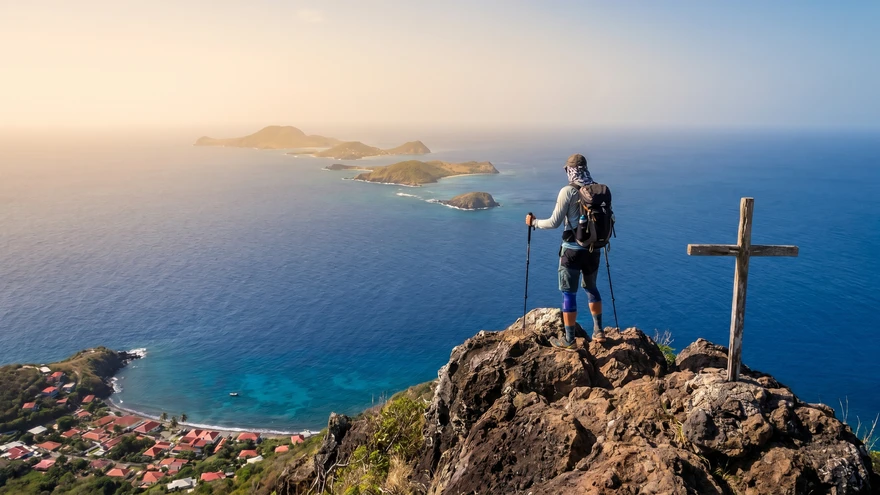
The island's volcanic peak, the Piton, rises to approximately 750 feet above sea level. The lower trail is straightforward and well-worn, but the final approach to the summit turns rocky and steep. Wear sturdy shoes and carry water. The reward is a sweeping panoramic view across the Grenadines, including Carriacou, Union Island, and on clear days the distant outline of Saint Vincent.
Watch Wooden Boats Being Built
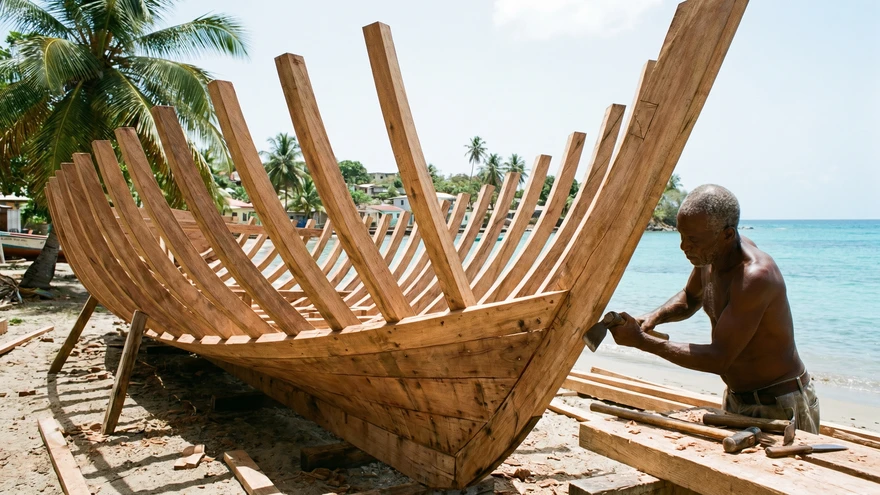
Petite Martinique has been a center of traditional wooden boat construction for generations. Local craftsmen shape vessels by hand using techniques passed down across families. If you time your visit right, you may witness a boat launch - a community ceremony beginning with hymns and a priest's blessing, followed by the boat owner's wife christening the bow.
Swim and Snorkel the Northwest Coast
The calm, sheltered waters on the northwest side of the island offer clean snorkeling close to shore. Marine life is abundant because there is almost no commercial boat traffic or development disturbing the reef. Bring your own gear, as rental equipment is not available on the island.
Explore the Fishing Village
The island's only settlement lines the northwest coast near the ferry port. Walking through it takes about 20 minutes and gives you an honest look at everyday Caribbean fishing life - boats pulled up on the sand, nets drying in the sun, small shops stocked with essentials.
Festivals: When the Island Comes Alive
For most of the year, Petite Martinique runs on a quiet rhythm. Two events change that completely.
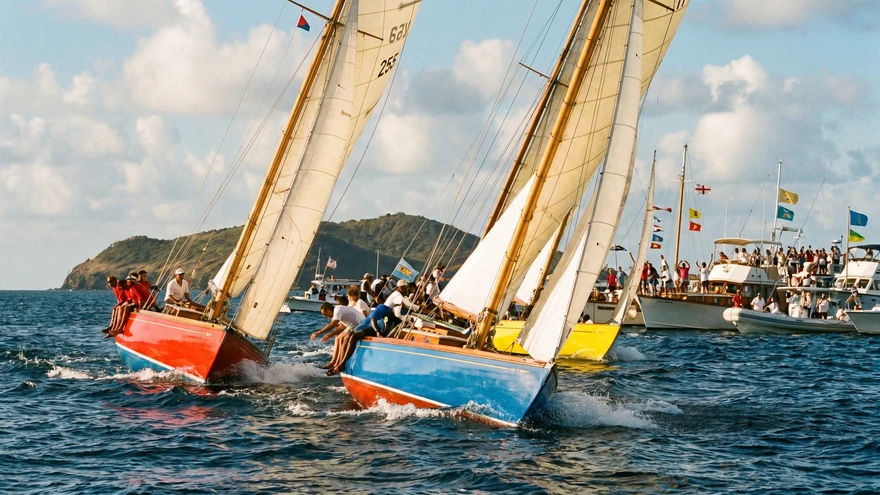
Whitsuntide Regatta (late May or early June): This is the island's signature event, celebrating the seafaring culture at its core. Traditional wooden workboats race offshore while onshore activities run in parallel - a J'ouvert street parade, cultural performances, obstacle races, and open-air gatherings that continue into the night. Visitors arrive from Carriacou and across the Grenadines specifically for this weekend.
Christmas Season: The island celebrates Christmas with community gatherings and a warmth that draws visitors looking for a low-key but genuinely festive Caribbean experience.
The August Maroon Festival is also worth noting if your timing allows.
Where to Stay and Eat
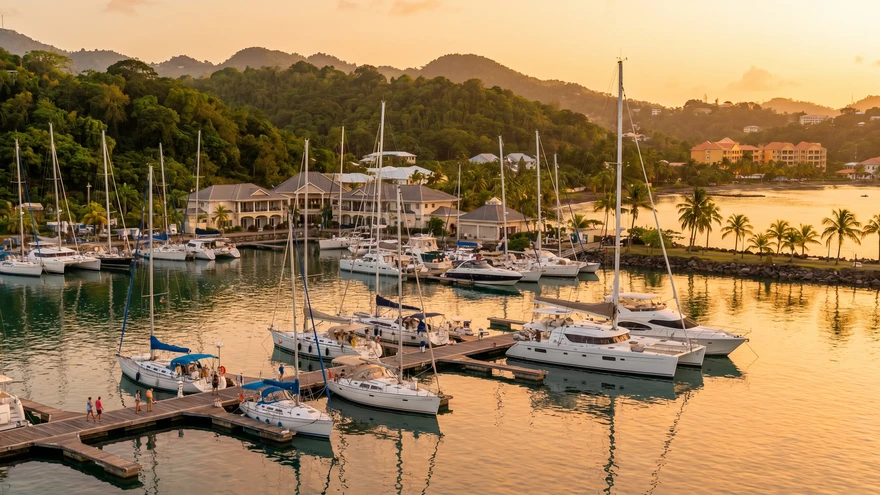
Accommodation on Petite Martinique is small-scale and family-run. A handful of guesthouses and self-catering apartments sit within walking distance of the ferry dock. Book well in advance, especially around festival dates, as capacity is extremely limited.
Dining options are similarly modest: small local restaurants near the port serve fresh-caught fish, grilled seafood, and traditional Caribbean dishes. There are no chain restaurants, no buffets, and no room service. That is entirely the point.
Essential Travel Tips
Cash only: There are no ATMs anywhere on the island. Withdraw enough Eastern Caribbean Dollars (EC$) on the Grenada mainland or in Hillsborough, Carriacou, before you board.
Sunday closures: Shops, restaurants, and most services close entirely on Sundays. Stock up on food, water, and any essentials by Saturday evening.
No Sunday departures: The Osprey ferry does not run on Sundays. Factor this into your return planning.
Pack light: Moving between ferry legs with heavy luggage is genuinely inconvenient. A single bag makes the journey much smoother.
Mobile signal: Coverage is limited on parts of the island. Download offline maps before you arrive.
Best season: The dry season from January through May offers the most settled weather. Visiting in late May also lines up with the Whitsuntide Regatta.