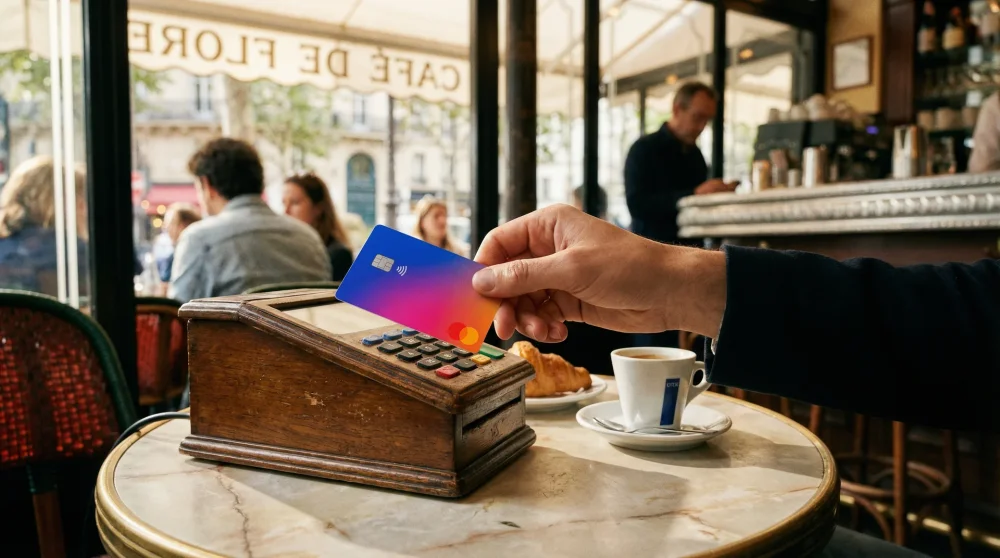
Using the right debit card abroad transforms your travel experience from a stressful math puzzle into a seamless holiday. Traditional high-street banks often hide sneaky conversion charges and flat fees for overseas usage. Digital challenger banks changed this landscape entirely. You simply tap your card at a Parisian cafe or a Roman gelateria without a second thought.
Comparing these two banking giants reveals subtle but critical differences for your European getaway. The choice between them boils down to how often you rely on cash versus contactless payments.
Monzo vs Starling: Card Spending in Europe
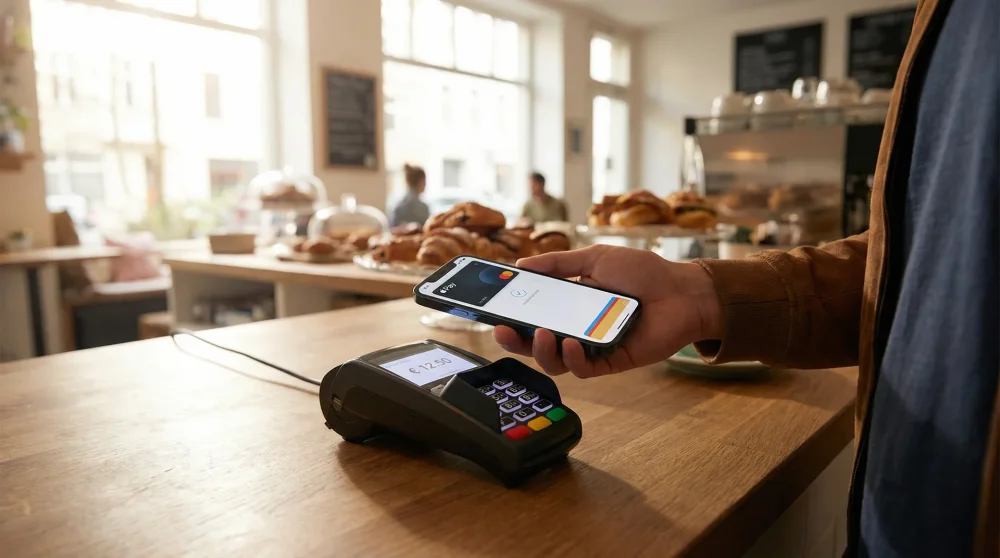
Paying for a hotel room or a quick espresso is beautifully simple with both banks. Neither institution charges foreign transaction fees for direct card payments. The transaction process is entirely transparent.
What Exchange Rate Do They Use?
Both banks rely strictly on the Mastercard exchange rate without adding any hidden weekend markups. This means you always get a highly competitive, mid-market rate when paying in euros or any other local currency. Always choose to pay in the local currency when the card terminal prompts you. Selecting British pounds triggers dynamic currency conversion, and the local merchant's bank applies a terrible exchange rate. Keep your settings on the local currency and let your digital bank handle the math.
ATM Withdrawals: The Hidden Fees Explained
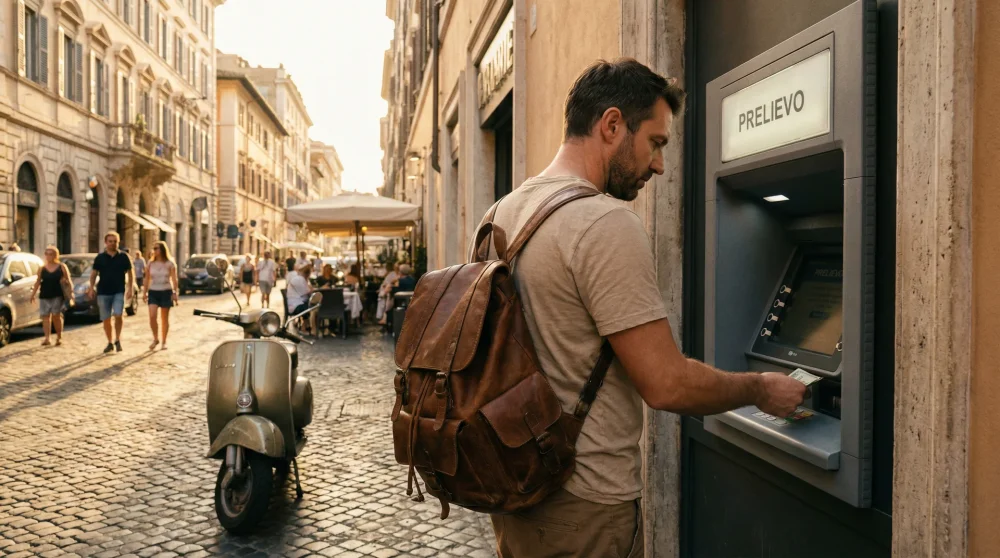
Card payments are standard across most of Europe, but certain situations still demand hard cash. Small local markets, remote villages, and specific transport systems often operate on a cash-only basis. This is exactly where the competition between these two banks gets interesting.
Starling's Unlimited Free Withdrawals
Taking cash out of a foreign ATM with Starling is completely stress-free. The bank offers unlimited fee-free overseas withdrawals up to a daily maximum. There are no monthly rolling limits to track and no sudden percentage fees. Find a trusted local ATM, insert your card, and withdraw what you need. The lack of restrictions makes this an incredibly powerful tool for long-term travelers.
Monzo's EEA Limits and Main Bank Rule
Monzo handles cash withdrawals through a tiered system based on your account status. If you use it as a secondary travel card, you face a strict monthly fee-free withdrawal limit within the European Economic Area. Once you cross that threshold, a percentage fee applies to every subsequent withdrawal.
Upgrading your account status changes this rule entirely. If you meet their specific criteria to qualify as a main bank user, your withdrawal limits within the EEA become unlimited. Check your allowance status directly in the app before you travel. Head to the settings menu and verify your tier to avoid nasty surprises at the cash machine.
Safety and Card Freezing Features on Holiday
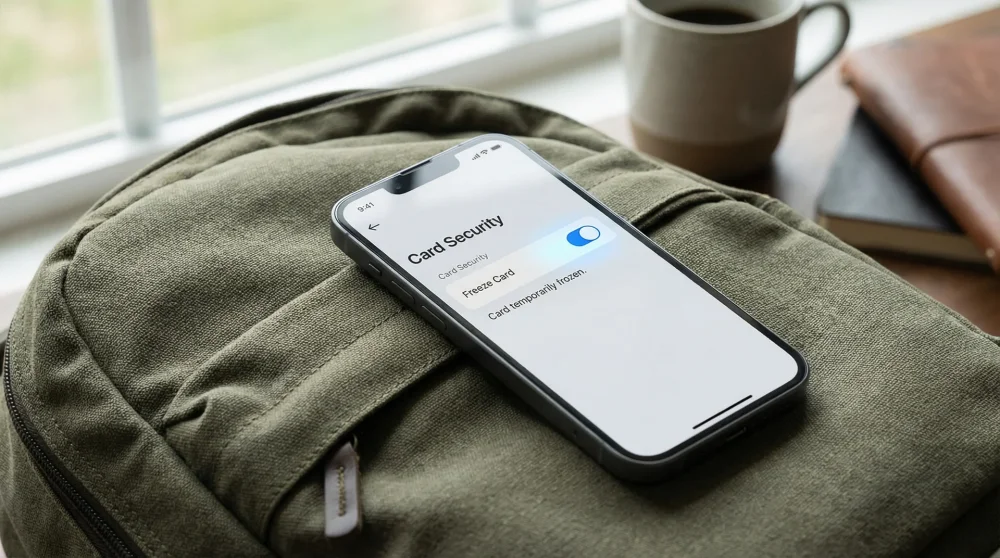
Losing a wallet in a foreign city is an absolute nightmare. Thankfully, both apps offer immediate, panic-free solutions. Open the application on your phone and tap the freeze button instantly. The physical card becomes completely useless.
Both platforms send instant push notifications the moment a transaction occurs. You see the exact amount spent in both the local currency and British pounds. Spotting a fraudulent charge takes seconds. Unfreeze the card with a single tap if you find it hiding at the bottom of your backpack.
Final Verdict: Which Card Should You Take to Europe?
Choosing the absolute winner depends entirely on your travel style. Both accounts excel at zero-fee card spending and offer brilliant, user-friendly mobile interfaces. They protect your money with top-tier security features and real-time tracking.
Go with Starling if you prefer a completely hands-off experience regarding cash withdrawals. The lack of monthly ATM limits removes all the mental arithmetic from your trip. Stick with Monzo if you already use it as your primary account or if your travel destination is largely cashless. Download the app, pack your bags, and enjoy your European adventure without worrying about conversion charges.