Monaco punches well above its weight in the food department. Despite being the world's second smallest country, the Principality has a distinct culinary identity shaped by Provençal, Ligurian, and Italian influences - and a handful of dishes you won't find anywhere else. Whether you're after a quick socca from the market or a seat at a Michelin-starred table overlooking the harbour, this guide covers what to eat and where to find it.
The National Dish: Barbagiuan
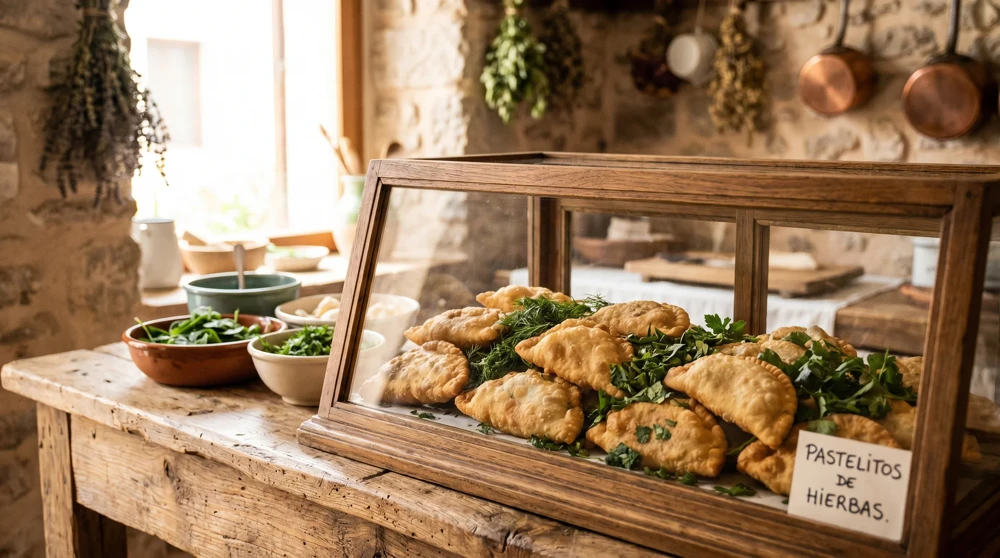
If there is one food item that defines Monaco's culinary identity, it's the barbagiuan (also spelled barbajuan). This fried or baked pastry is stuffed with a mixture of Swiss chard, ricotta, onions, and herbs - sometimes with a touch of rice or pumpkin added for texture. The combination of creamy filling and crisp golden shell is deeply satisfying, and it's eaten at any time of day as a snack.
Barbagiuan is especially prominent on November 19th, Monaco's National Day, when you'll see it sold at street stalls across the Principality. Year-round, you can find it at local bakeries, La Condamine Market, and a handful of traditional restaurants. Look for U Cavagnetu in Monaco-Ville for a sit-down version in a quiet garden setting, or Brasserie de Monaco near Port Hercule for a casual plate alongside one of their craft beers.
Socca: The Street Food Staple
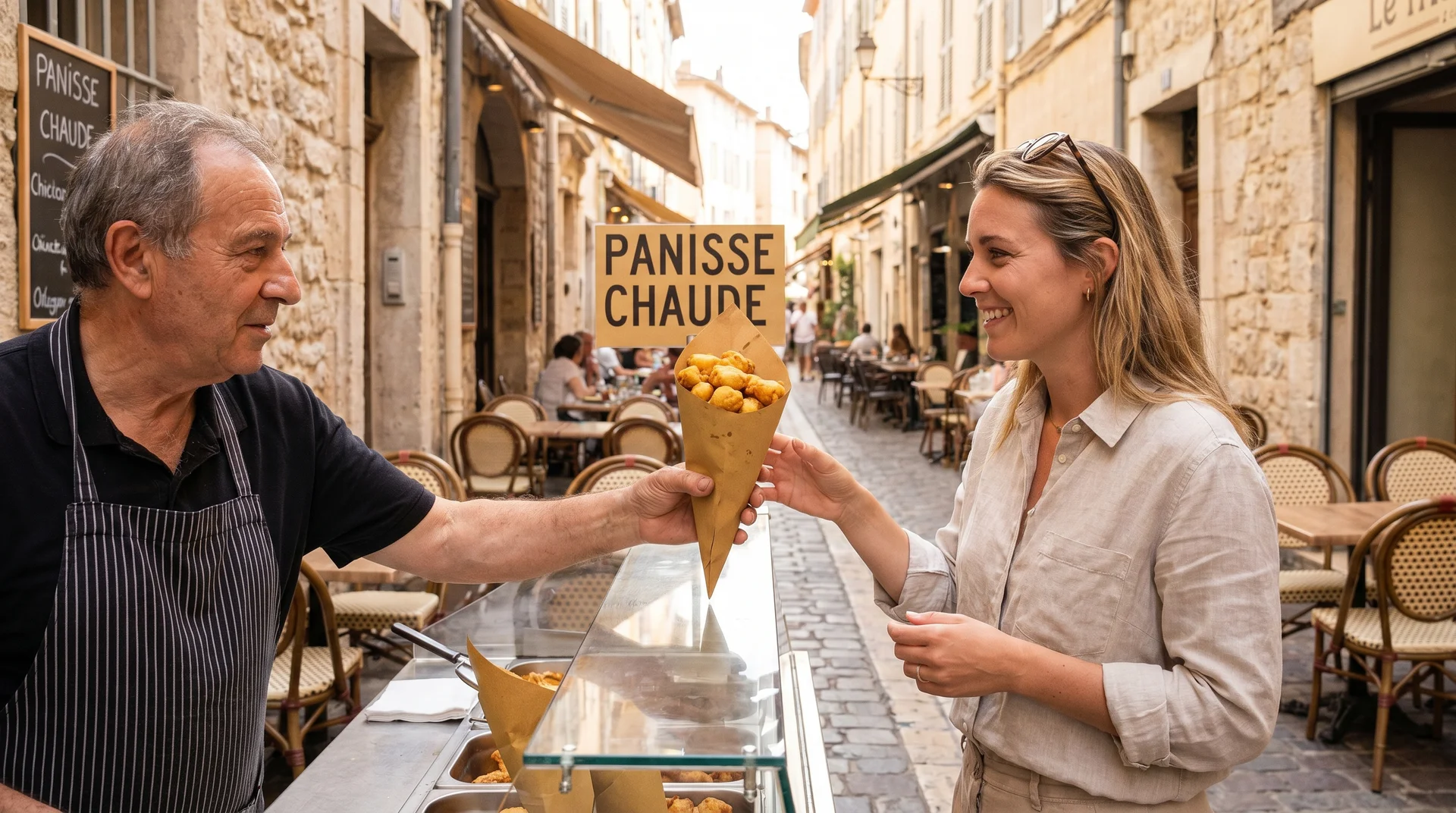
Socca is a thin, crispy chickpea flour crepe cooked in a large round pan with generous olive oil. It's naturally gluten-free, high in plant-based protein, and eaten piping hot - usually in irregular strips, sometimes from a paper cone with a crack of black pepper on top.
Originally from Liguria, socca has deep roots in the Nice and Monaco food culture. It's the kind of food locals eat standing up, not while sitting at a restaurant table. La Condamine Market is the most reliable place to find it fresh in Monaco. U Cavagnetu and La Montgolfière also feature it on their menus with a more refined presentation.
Pissaladière
Think of pissaladière as the Ligurian answer to pizza - a thick tart base topped with slow-caramelized onions, anchovies, and black olives. It's salty, sweet, and intensely flavored. In Monaco, some versions include tomatoes, which is a local adaptation you won't always find across the border in France.
Pissaladière is common in bakeries throughout the Principality, typically sold by the slice. It makes for an excellent midday snack while walking through Monaco-Ville or the La Condamine neighbourhood.
Stocafi: The Friday Dish
Stocafi is Monaco's version of a stockfish stew - rehydrated dried cod slow-cooked with tomato sauce, garlic, black olives, capers, and bay leaf. It's a hearty, deeply savoury dish with strong maritime roots, traditionally served on Fridays and religious holidays. The texture of the rehydrated cod is soft but substantial, and the tomato-olive base gives it a distinctly Mediterranean character.
This is not widely available at tourist-facing restaurants, so if you spot it on a menu - particularly at smaller neighbourhood places near Rue Grimaldi or La Condamine - order it.
Bouillabaisse and Seafood
Monaco's position on the Ligurian Sea means seafood is central to local cooking. Bouillabaisse, the classic Provençal fish stew, appears on menus throughout the Principality. Monaco's version uses fresh local catch simmered with saffron, fennel, and herbs, traditionally finished with rouille - a spicy garlic sauce spread on toasted bread before being dunked into the broth.
For the best seafood, aim for restaurants along Port Hercule or near the waterfront in La Condamine, where supply chains are shortest.
Les Petits Farcis
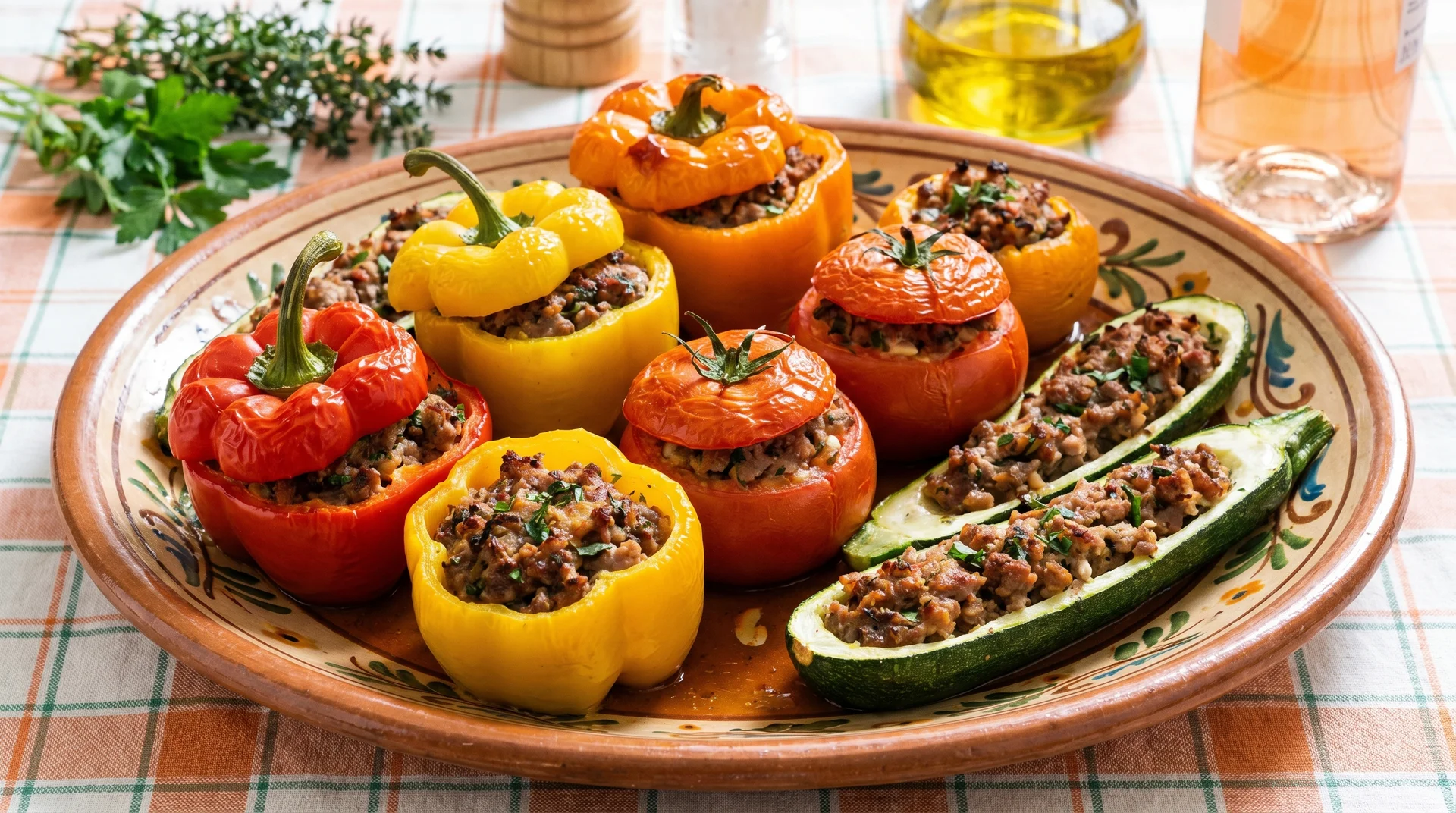
Les petits farcis are stuffed vegetables - tomatoes, zucchini, eggplants, and bell peppers packed with a filling of minced meat, garlic, breadcrumbs, and herbs, then baked until tender. This is quintessential Mediterranean home cooking, and it appears frequently as a starter or main course at traditional Monegasque restaurants. The flavors are earthy and herby, with the vegetable providing natural sweetness against the savoury filling.
Monegasque Fougasse
Don't confuse Monegasque fougasse with the savoury Provençal flatbread of the same name. Monaco's version is a sweet brioche enriched with orange blossom water, anise, almonds, and dried fruit. It's a celebration bread, most commonly shared during the Christmas season, and has been part of Monegasque food tradition for generations.
La Condamine Market: The Food Hub
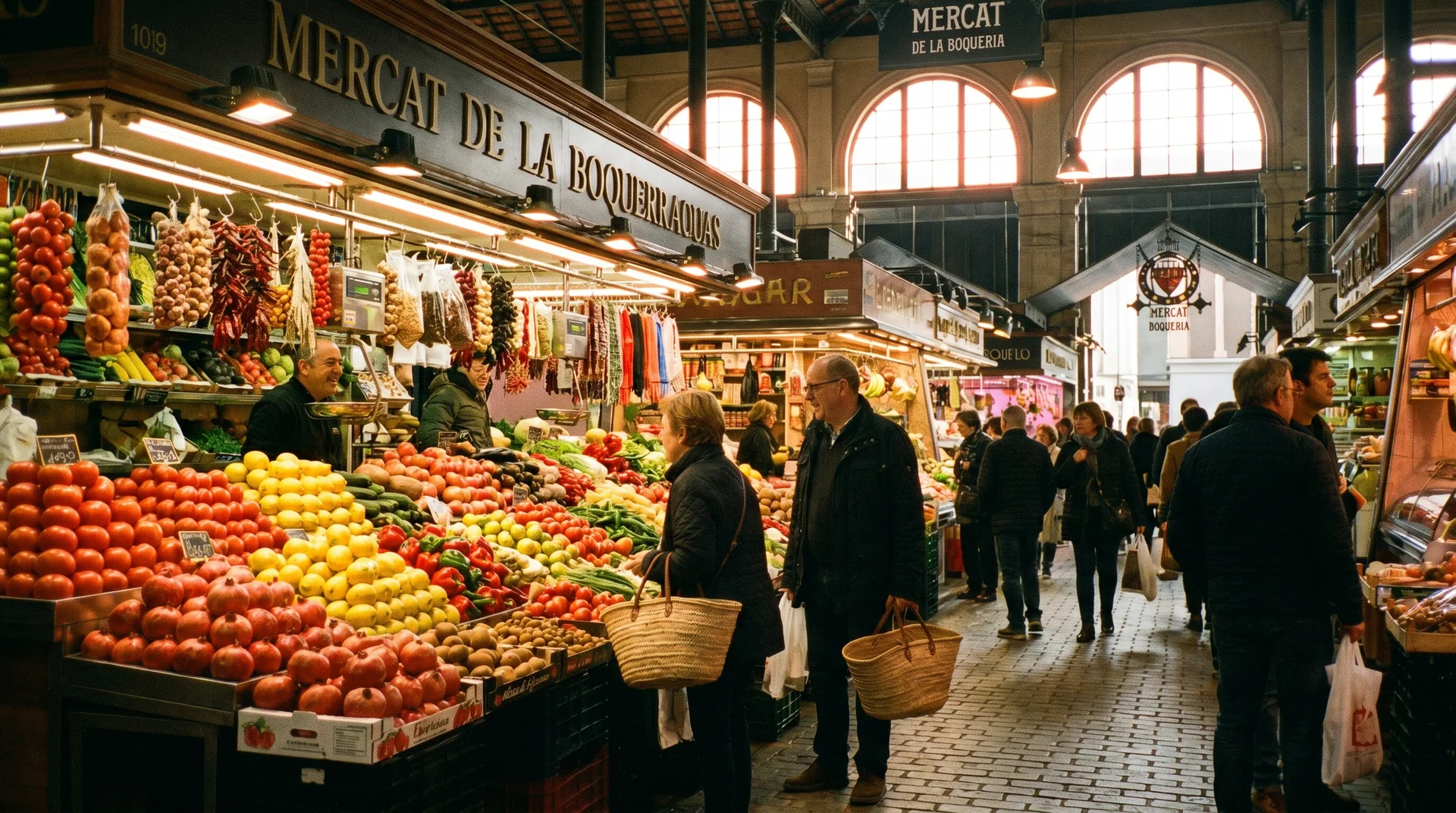
If you eat nothing else from this list, at least visit La Condamine Market on Place d'Armes. Inaugurated in 1880, it is Monaco's oldest and most important food market, operating daily from 6 a.m. to 2 p.m. The covered section houses produce vendors, fishmongers, and butchers. Outside stalls sell seasonal fruit, vegetables, and flowers. The gourmet hall includes prepared foods and specialty items.
Inside the market, La Maison des Pâtes has been supplying the princely family with fresh pasta since 1977 and is open to the public. On-site dining options offer full meals, making this a practical and affordable lunch stop - especially compared to the restaurants surrounding Monaco's tourist circuits.
A second option, Marché de Monte-Carlo on Avenue Saint-Charles, is a smaller covered market with local producers selling fruit, vegetables, charcuterie, and regional specialties.
Where to Eat: Fine Dining
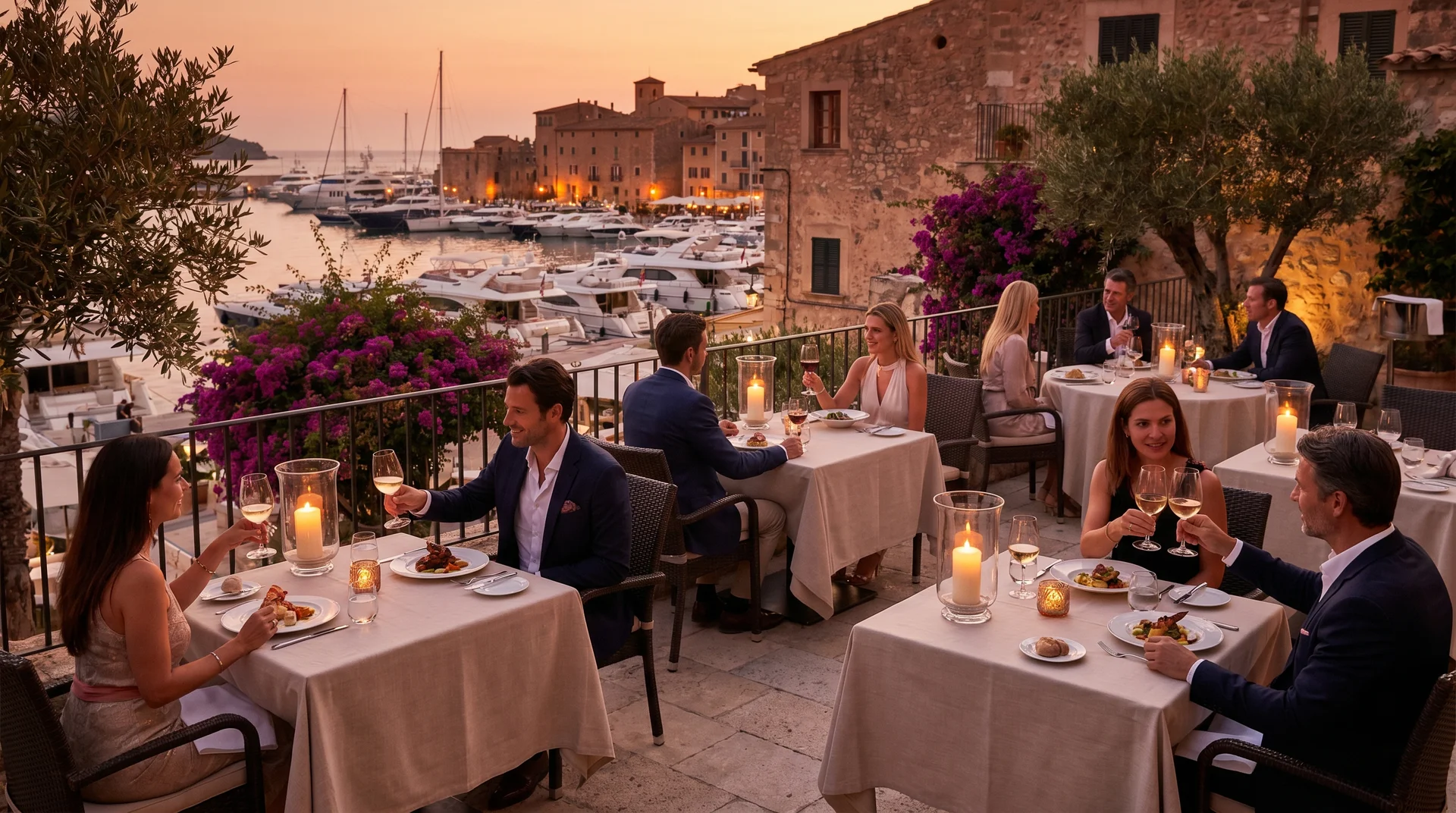
Monaco has a concentration of Michelin-starred restaurants that is remarkable even by French Riviera standards.
Le Louis XV at Hôtel de Paris is the most iconic - a three-Michelin-star institution led for decades by Alain Ducasse, now carrying his Mediterranean haute cuisine legacy. It remains the benchmark for fine dining in Monaco.
Blue Bay at Monte-Carlo Bay holds two stars and offers a Caribbean-Mediterranean fusion that reflects chef Marcel Ravin's background. The setting, overlooking a lagoon pool, is one of Monaco's most distinctive dining rooms.
Le Pavyllon Monte-Carlo at Hôtel Hermitage holds one star and focuses on technically precise French cuisine. La Table d'Antonio Salvatore at Rampoldi delivers Italian-Provençal fusion at a similarly high level.
For Michelin dining without full dinner pricing, lunch menus at these establishments cost roughly 30-40% less than dinner service while serving the same kitchen.
Elsa at Monte-Carlo Beach deserves a separate mention - it holds a Michelin star and is the first fully organic restaurant in the region to earn one. The menu changes with the seasons based on certified organic supply.
Where to Eat: Mid-Range and Local
For everyday dining without fine-dining prices, the La Condamine neighbourhood and streets around Rue Grimaldi offer the best concentration of neighbourhood restaurants. These cater primarily to residents rather than visitors and typically offer daily specials at lunch.
U Cavagnetu in Monaco-Ville is the most frequently cited address for authentic Monegasque cuisine - barbagiuan, socca, and traditional preparations in a relaxed setting.
Brasserie de Monaco, facing Port Hercule, combines reliable local food with craft beer brewed on-site. Their barbajuans are considered among the best in Monaco.
La Môme de Monte-Carlo, opened in 2024 on the rooftop of Port Palace Hotel, offers harbour and circuit views alongside a Mediterranean-focused menu.
For budget-conscious visitors, the market halls of La Condamine remain the most consistent value - a full meal in the on-site dining area typically falls well below what you'd pay at a restaurant table nearby.
Dining Etiquette and Practical Notes
A few things worth knowing before you eat your way through Monaco:
- Service charge of approximately 15% is typically included in restaurant bills. Additional tipping of 5-10% is appreciated but not mandatory.
- Dress code matters at fine dining establishments. Smart attire is expected; shorts and beachwear are prohibited. Jackets are required at some restaurants.
- Reservations at Michelin-starred restaurants are often needed weeks in advance, not days.
- The Monte-Carlo Gastronomie fair, held at year-end, brings together over 100 regional producers and features chef demonstrations, tastings, and competitions. The entry fee is modest.
- Many Monaco restaurants now emphasise seasonal and locally sourced ingredients, a shift driven partly by the Principality's sustainability commitments.
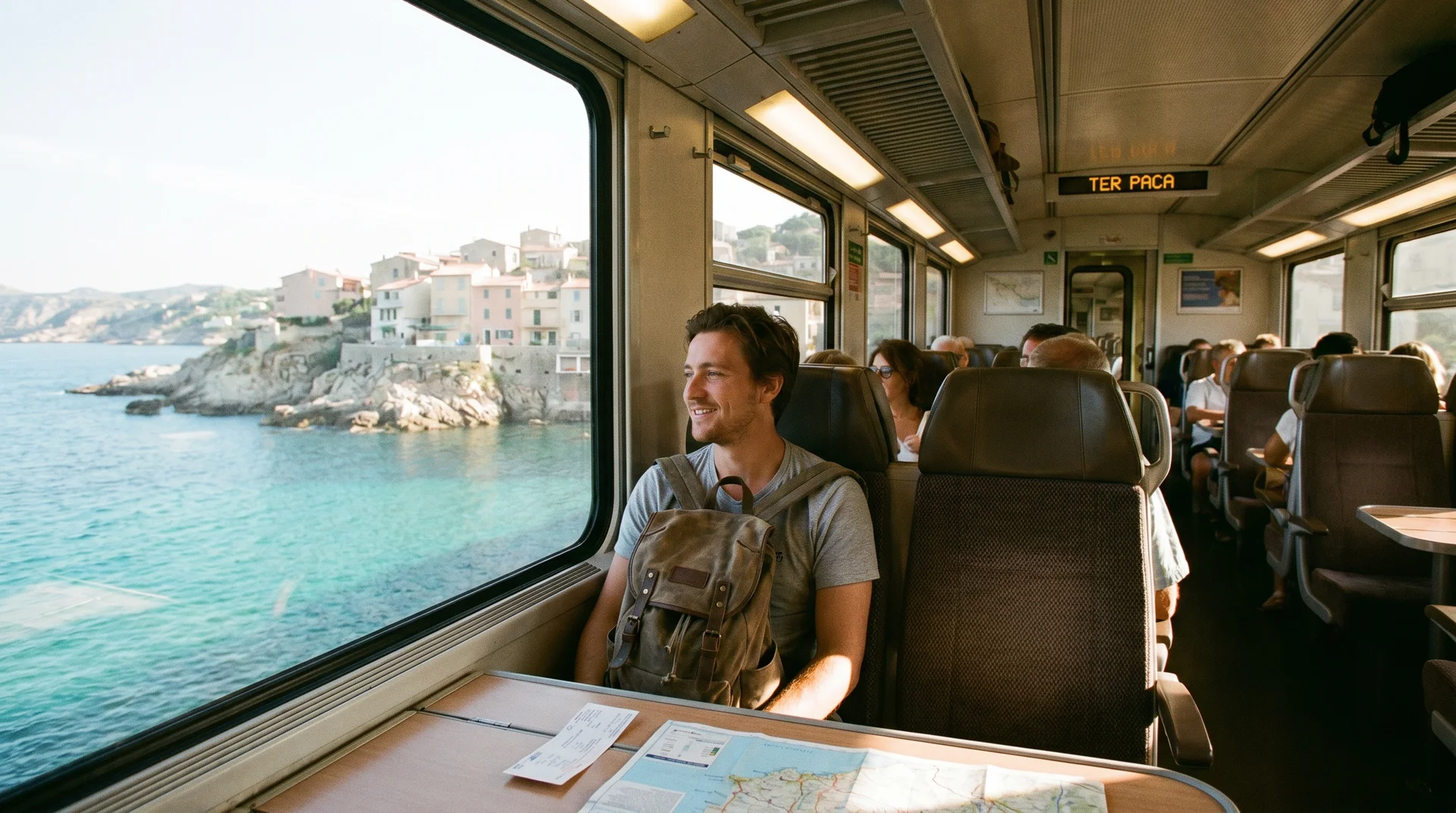
For more context on visiting Monaco on different budgets, the Monaco travel costs breakdown covers daily spending across all categories. If you're planning the broader visit, free things to do in Monaco pairs naturally with a market lunch to keep costs manageable. And if you're arriving by train from the French Riviera, the Nice to Monaco train guide covers all transport options.