Austria's oldest open-air museum sits on a gentle hill near Klagenfurt, reassembling four centuries of Carinthian rural life into a single walkable village. Before you arrive, knowing two things makes a big difference: some of the farmhouse interiors are intentionally left unlit, and the museum closes every Monday. A small flashlight and a midweek slot turn an ordinary excursion into something genuinely memorable.
- Average duration: Plan for 1.5 to 2 hours to walk the grounds at a comfortable pace.
- Accessibility: The layout is largely stroller-friendly, though a few specific bridges have steps.
- Food and drink: A small cafe sits near the entrance, serving local Reinling sweet bread, cold platters, and coffee.
- Pets: Dogs are welcome with a leash; sanitary bags are provided on-site.
- Perks: Admission is fully covered if you hold an active Kärnten Card.
What to Expect Inside the Open-Air Museum
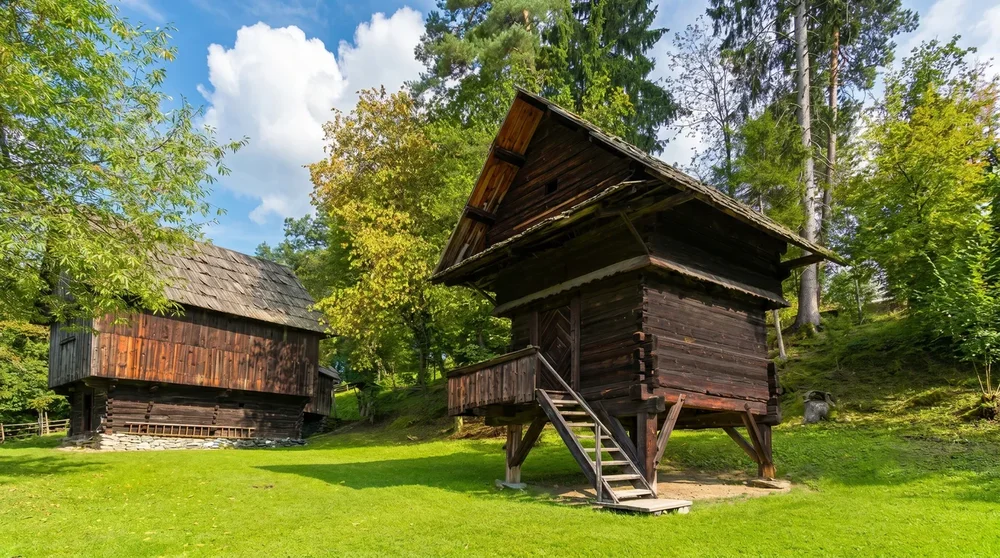
The atmosphere feels completely detached from modern noise. The grounds are meticulously landscaped, with vibrant herb and flower gardens alongside sturdy wooden structures. Do not expect a romanticized fairy tale version of the past. The displays vividly depict the harsh, demanding reality of rural Carinthian life across different centuries.
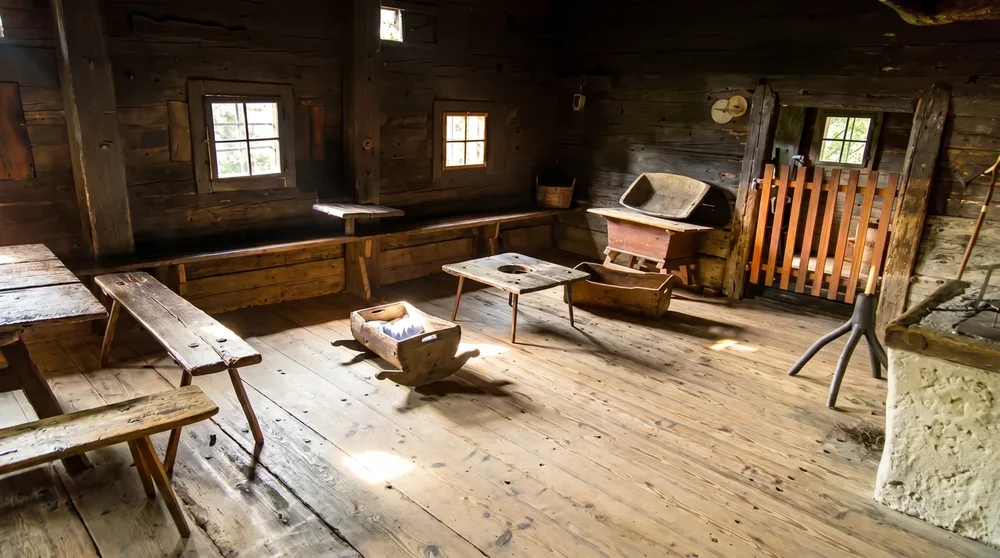
Strolling through the village takes you past fully equipped shops, old mills, and ancient bedrooms. Some of these authentic rooms remain unlit to preserve their original architectural state. Bring a small light source to clearly see the antique furnishings and specialized tools kept safely behind the wooden barriers.
Tickets and Admission
Standard admission for adults costs €6. Children pay €3, and a family ticket runs €15. Groups of ten or more receive a small discount at €5.40 per adult. Guided tour add-ons cost an extra €1 per person.
If you hold a valid Kärnten Card, entry is completely free. Present the card at the reception desk, pick up the printed flyer map, and you are ready to explore. The staff readily explain the daily route and point out any ongoing cultural workshops.
Opening Hours and Best Time to Visit
The museum opens from May 1 through October 14 each year. During May, June, September, and October, hours run 10:00 to 16:00 with last entry at 15:00. In July and August the site stays open until 18:00, with last entry at 17:00.
The museum is closed on Mondays. Plan your visit for Tuesday through Sunday. Mornings offer the best natural light for photography and the quietest pathways. A midweek morning slot also lets you enjoy freshly baked pastries and hot cider at the tavern after your walk.
How to Get There from Klagenfurt
Driving is the most straightforward option. Head north from Klagenfurt along the S37 expressway and take the Maria Saal exit. The spacious parking lot sits just a few meters from the main entrance gates, so you step out of your vehicle and walk directly into the historical zone. The drive takes roughly 15 minutes.
Public transport is also available from Klagenfurt, though a car gives you the flexibility to continue to nearby sites after your visit.
Top Highlights: From Farmhouses to the Industrial Area
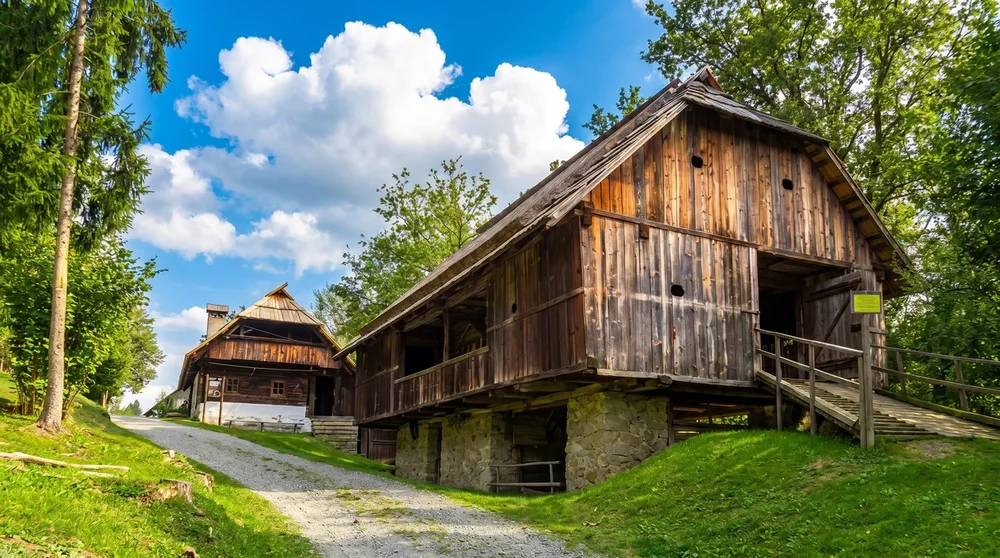
The village holds 38 original buildings dismantled from across the region and carefully reassembled on this hill. You walk past horizontal wheel watermills, charcoal piles, and an old shoemaker's workshop. The industrial area specifically showcases the heavy physical labor required in the past.
Take time to inspect the intricate wood carvings on the farmhouse facades. A friendly resident cat often wanders between these historic porches, adding a touch of life to the static exhibits. For visitors who enjoy this kind of deep European heritage, the experience pairs well with other museum-focused trips - the Houston Museum of Natural Science offers a useful contrast between natural history and built heritage curation.
Is the Museum Family-Friendly?
The compact size of the site prevents extreme walking fatigue for younger visitors. Pick up the dedicated treasure hunt program at the ticket counter. Children follow clues through the ancient village and choose a prize from the wooden chest at the end.
The pathways remain mostly flat, making it manageable for older generations and families with pushchairs. Certain seasonal workshops let visitors participate directly - school groups and families can make their own paper or weave lavender bulbs during scheduled sessions.
Nearby Historical Sites on the Zollfeld
Your historical exploration does not have to end at the museum gates. The surrounding Zollfeld plain holds immense regional significance. A short drive takes you to the iconic Herzogstuhl, a double stone throne used for ducal inaugurations in medieval times.
The Roman ruins of Virunum also sit nearby. This archaeological park offers a completely different architectural era to explore before heading back to the city center.