Many visitors wander right past the unassuming Capuchin Church near the bustling Karntner Strasse, completely missing the fact that the most powerful rulers of Europe lie directly beneath their feet. Finding the modest entrance next to the main church doors saves you from wandering the plaza in confusion and instantly transports you into a realm of breathtaking artistry and profound silence. The admission fee is €15 per adult, and the site sits at Tegetthoffstrasse 2 on Neuer Markt square in Vienna's 1st district. The crypt opens daily from 10:00 AM to 6:00 PM (last entry at 5:30 PM).
What is the Imperial Crypt (Kapuzinergruft)?
Beneath the streets of Vienna's city center rests the ultimate monument to the Habsburg dynasty. More than 142 royal family members, including 12 emperors and 19 empresses, share this underground space. The vaults span over four centuries of history, reflecting the shifting tastes of the empire.
The atmosphere feels incredibly heavy, the air noticeably cool. You walk through rooms filled with massive metal sarcophagi adorned with grim skulls, intricate crowns, and weeping angels. The sheer volume of infant and child tombs scattered among the grand monuments serves as a stark reminder of historical mortality rates, adding a deeply emotional layer to the visit.
Key Highlights: Whose Tombs Are Inside?
Every single coffin tells a story of power, tragedy, or artistic brilliance. Taking the time to observe the intricate metalwork reveals the distinct personality and historical weight of each ruler.
Empress Sisi & Franz Joseph I
The final crypt room holds the most visited tombs in the entire complex. Emperor Franz Joseph I lies here alongside his famously tragic wife, Empress Elisabeth, affectionately known as Sisi. Her sarcophagus almost always features fresh flowers and small personal notes left by admirers from all over the world. Crown Prince Rudolf, whose life ended in a shocking murder-suicide, rests right beside his parents.
Maria Theresa's Lavish Double Sarcophagus
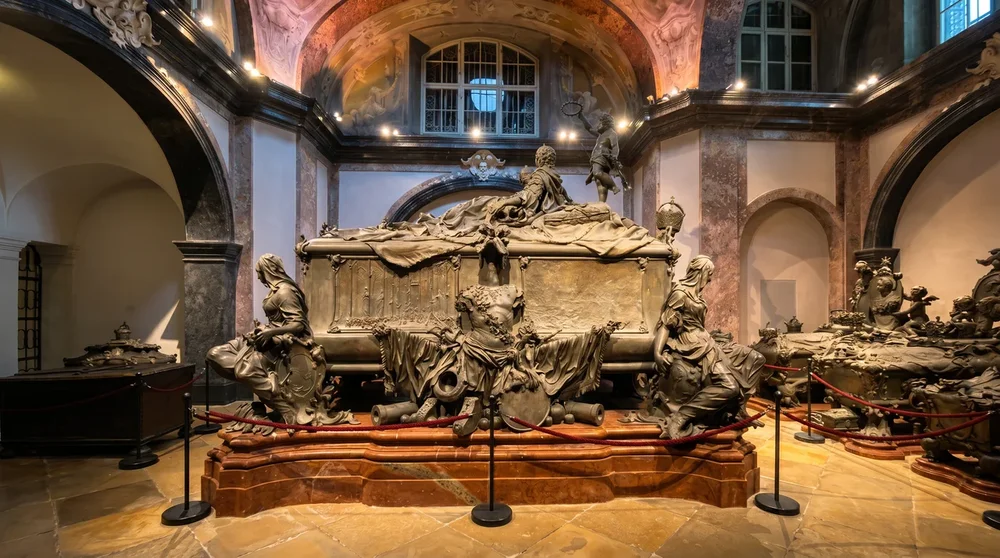
Stepping into Maria Theresa's vault feels genuinely overwhelming. Her magnificent double sarcophagus, shared with her husband Emperor Franz I, dominates the entire domed room. Life-sized sculptures of the royal couple appear to awaken from a deep sleep on the lid. The baroque detailing is nothing short of a theatrical masterpiece.
The Plain Sarcophagus of Joseph II
Right at the foot of Maria Theresa's extravagant monument sits a plain, unadorned copper coffin. This belongs to her son, Emperor Joseph II. The aggressive visual contrast highlights his reformist ideals and rejection of baroque excess. It delivers a powerful statement about humility in death.
The Macabre Ritual: Hearts, Intestines, and Bones
The physical bodies resting in these ornate coffins are actually incomplete. Following a deeply rooted, morbid imperial tradition, the Habsburgs divided their deceased royals into three parts.
The embalmed bodies remain here in the Kapuzinergruft. However, you must walk over to the nearby Augustinian Church to find the royal hearts, carefully preserved in silver urns within the Herzgruft. The intestines rest in the catacombs of St. Stephen's Cathedral. Completing this dark triad of locations gives you a full perspective on Viennese royal burial customs.
For a broader view of Vienna's imperial legacy, the Vienna Pass covers entry to dozens of attractions including the Imperial Crypt, making it worth considering if you plan to visit multiple sites. After the crypt, many visitors head to the Sigmund Freud Museum Vienna just a short tram ride away for another glimpse into the city's layered intellectual and cultural history.
Are There Still Burials Today?
This historical site is not entirely locked in the distant past. Funerals took place here remarkably recently.
The last ruling empress, Zita, found her resting place here in 1989. Decades later, her eldest son, the European politician Otto von Habsburg, was buried with great ceremonial pomp in 2011. The absolute final interment occurred in the fall of 2023 for Yolande de Ligne. The crypt now holds no more available space, sealing its chapter in living history forever.
2026 Practical Information for Visitors
Planning your visit requires a few insider tips to maximize the experience, especially since underground conditions differ wildly from the sunny streets above.
Ticket Prices & Guided Tours
A standard admission ticket costs €15 per adult. English guided tours are available at 3:00 PM and cost €21 per person. German-language tours run at 2:00 PM and 3:30 PM at the same price.
English informational signs are surprisingly scarce throughout the vaults. If you do not speak German, booking an English guided tour makes a massive difference. The knowledgeable staff brings the intricate symbolism of the tombs to life. Without a tour, reading up on the Habsburg family tree beforehand prevents you from merely staring at beautiful but nameless metal boxes.
Opening Hours & Best Time to Visit
The crypt is open daily from 10:00 AM to 6:00 PM, with last entry at 5:30 PM. Arriving right at opening time ensures a quiet, solitary walk through the rooms. The underground ventilation is limited. On hot summer days, the deeper vaults get quite stuffy by mid-afternoon, making an early morning visit much more comfortable. Bring a light jacket, as the initial rooms remain chilly year-round.
How to Get There
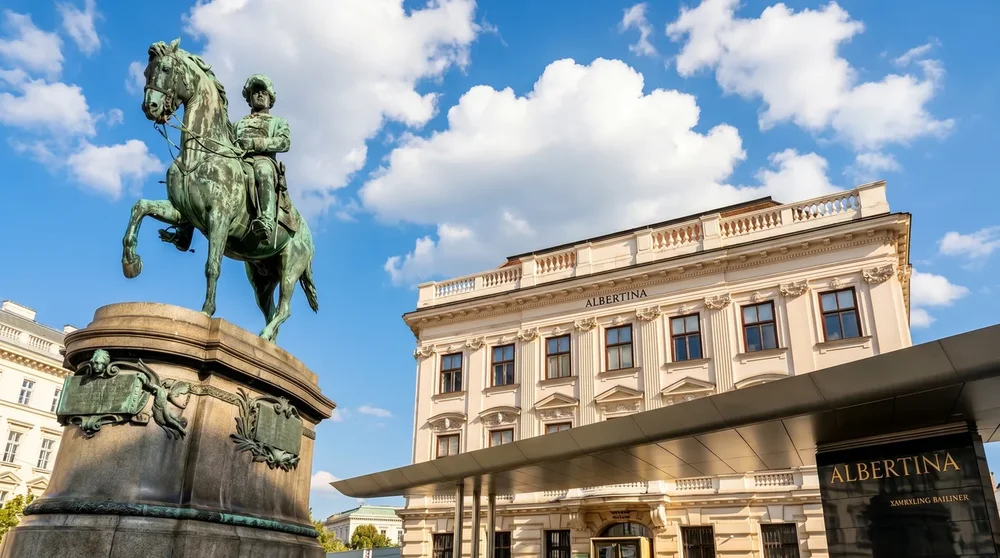
Reaching the crypt takes only a two-minute walk from the Albertina museum or the Karntner Strasse shopping district. Look for the yellow facade of the Capuchin Church on Neuer Markt square. The dedicated entrance sits just to the left of the main church doors.
If you are planning a full day of sightseeing, the Hundertwasser House Vienna is another worthwhile stop that offers a completely different side of the city's architectural personality.
Is the Imperial Crypt Worth Visiting?
Skipping the palaces for an hour to explore this basement offers one of the most unique and artistically rich experiences in Austria. It forces you to confront the fragile nature of absolute power. The detailed craftsmanship of the sarcophagi alone justifies the entrance fee. For history enthusiasts, art lovers, or anyone intrigued by the darker side of European royalty, this underground vault delivers an unforgettable, chillingly elegant impact.