When you hear about premium steak, one name always dominates the conversation. It is known for a melt-in-your-mouth texture and incredible marbling.
However, the world of Japanese beef is full of marketing tricks and misunderstandings. You need to know exactly what you are ordering before making a reservation at a high-end steakhouse.
Wagyu vs. Kobe Beef: Understanding the Real Difference
Let us clear up the biggest confusion right away. All Kobe is Wagyu, but not all Wagyu is Kobe. The term Wagyu simply translates to Japanese cow. It refers to four specific breeds of cattle known for their intramuscular fat.
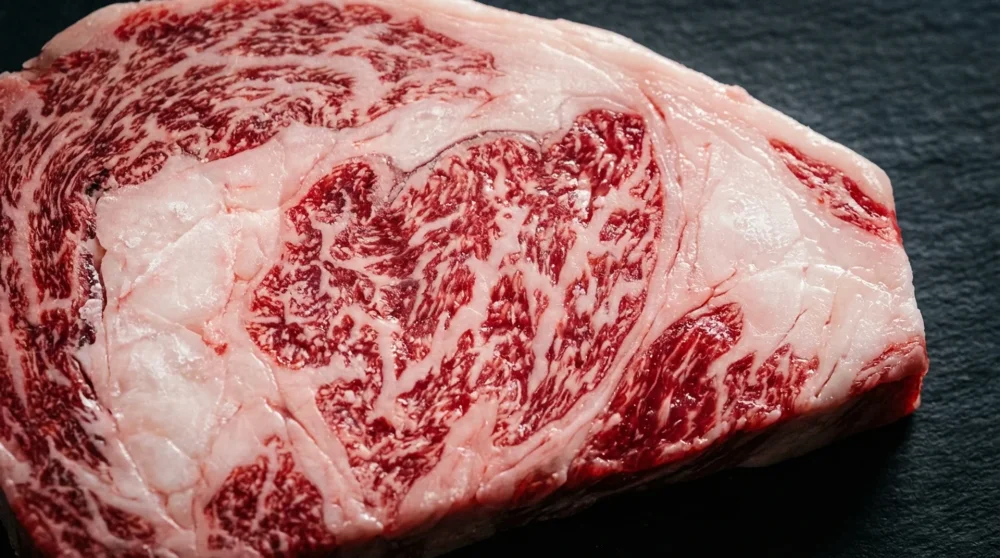
Kobe is a highly specific, geographically protected brand of Wagyu. Think of it like Champagne. Sparkling wine can come from anywhere, but true Champagne only comes from the Champagne region in France. If a restaurant offers you an affordable Wagyu burger, it is almost certainly not authentic Kobe.
What Makes Kobe Beef So Special?
The secret lies in the strict genetics and the meticulously controlled rearing environment. Every single detail in the production process matters.
The Tajima Cattle and Hyogo Prefecture Rule
To qualify for this prestigious title, the meat must come from a specific strain of Japanese Black cattle known as Tajima. These cattle must be born, raised, and processed strictly within the Hyogo Prefecture of Japan. The capital of this prefecture is the city of Kobe. The local environment, pristine water quality, and precise feeding methods create an unmatched flavor profile.
Busting the Myths: Do Cows Really Get Massages and Beer?
You have probably heard the legendary stories. People say farmers feed the cows beer to stimulate their appetite and give them daily massages to distribute the fat. These stories are highly exaggerated marketing myths.
Farmers do brush the cows to keep them clean and relieve stress. Sometimes they might mix a fermented feed that smells slightly like beer, but there is no daily spa treatment. The extraordinary marbling comes from careful genetics and a strictly controlled diet, not from a luxurious lifestyle.
The Strict Grading Process and Why A5 Matters
The Japanese meat grading system is incredibly rigorous. Once the cattle are processed, official graders examine the meat based on a severe set of criteria.
- High Percentage of Marbling: Graders look for a specific fat ratio called the Beef Marbling Standard.
- Meat Quality Score: The meat must score an A4 or A5. A5 represents the absolute peak of quality.
- Purebred Lineage: There can be no crossbreeding in the cattle bloodline.
- Weight Limits: The carcass must fall under a strict weight limit to ensure the meat retains its delicate texture.
This severe selection process means only a tiny fraction of Japanese cattle ever earn the official seal of approval.
How to Spot Fake Kobe Beef in Restaurants
Ordering this delicacy outside of Japan requires serious caution. Many restaurants use the name loosely to charge premium rates for standard crossbred beef. Here is how you can protect your wallet and your palate.
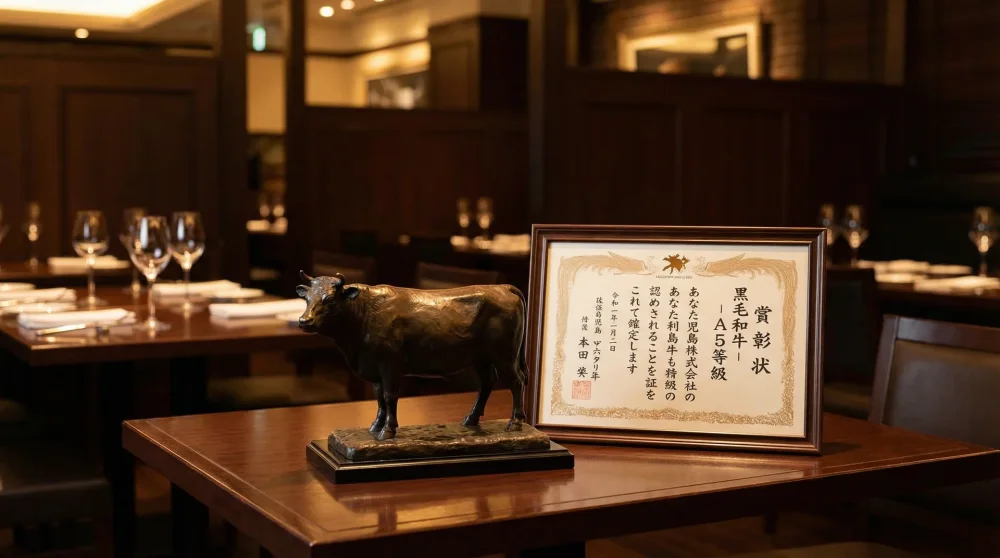
- Check for Certification: Authentic establishments proudly display an official certificate from the Kobe Beef Marketing and Distribution Promotion Association. Look for a 10-digit identification number on the menu or directly ask the server.
- Look for the Bronze Statue: Certified restaurants usually display a specific bronze statue of a Tajima cow in their dining room.
- Examine the Origin: If the menu says Australian Kobe or American Kobe, you are looking at a marketing trick. It might be a delicious Wagyu crossbreed, but it is not the authentic Japanese delicacy.
- Analyze the Fat: True Tajima meat has fat that literally melts at room temperature. It should look like a delicate, frosty web of white veins across the red meat, never like thick, chewy chunks of fat.
Best Ways to Cook Kobe Beef at Home
If you manage to secure a raw cut from a certified importer, cooking it requires a completely different approach than a standard ribeye steak.
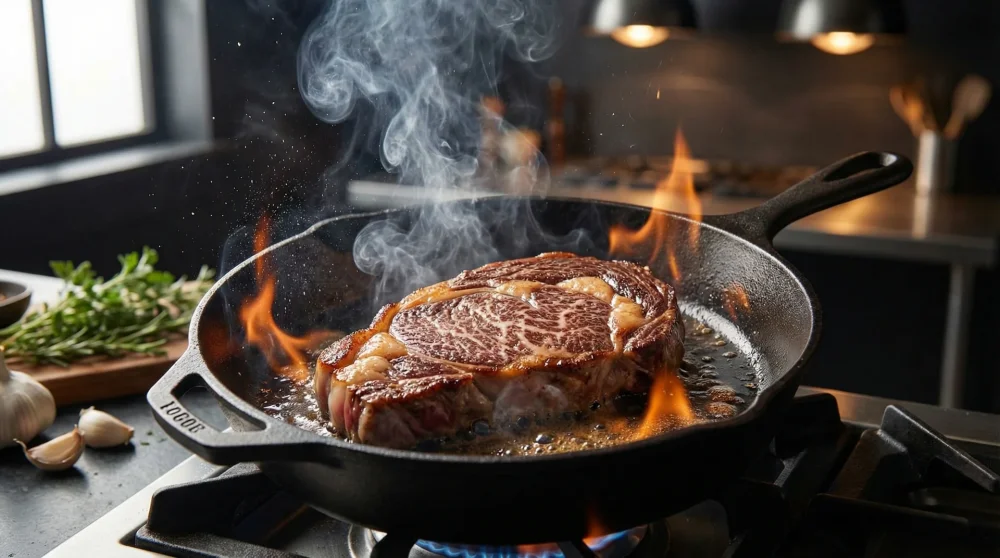
The extremely high fat content means it cooks much faster and can easily cause severe flare-ups on an open grill.
- Bring the meat to room temperature completely before cooking.
- Forget marinades and heavy rubs. You only need a light sprinkle of coarse sea salt to enhance the natural flavors.
- Use a stainless steel or cast-iron skillet. This helps catch the melting fat and creates a beautiful crust.
- Sear it quickly on very high heat. You want a crispy exterior while keeping the inside rare or medium-rare.
- Let the steak rest for a few minutes. Cutting it too soon will drain the precious buttery juices onto your cutting board.