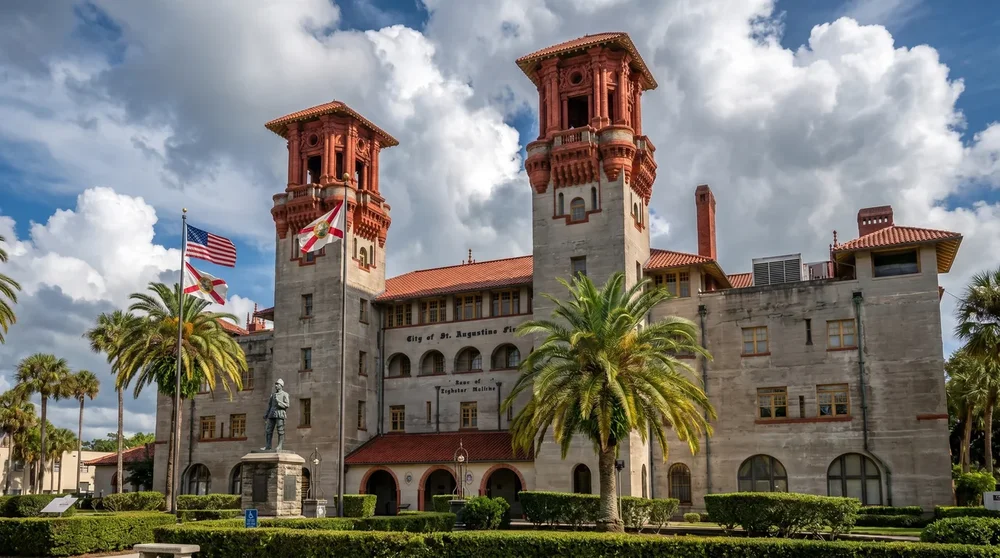
Honeymoon Island State Park sits just off the coast of Dunedin, Florida, and packs more variety into one barrier island than most people expect. Between pristine Gulf beaches, a rare virgin slash pine forest, a dedicated dog beach, and a ferry to an even wilder neighboring island, you have a full day of exploration ahead. Knowing which areas to avoid after recent storm erosion, where to park, and what fees to expect will save you time and make the whole trip run smoothly.
Entry Fees and Park Hours
Getting into the park is straightforward but arriving early is non-negotiable. The gates open at 8:00 a.m. and stay accessible until sundown every single day of the year. You pay a flat rate of $8 for a standard vehicle carrying up to eight people. If you are riding solo, the cost drops to $4. Pedestrians and cyclists enter for just $2.
There is also a sunset-only rate of $4 per vehicle if you arrive within one hour of closing, which is a great option for photography lovers. Skip the midday rush to avoid long lines at the entrance booths. The parking lots often reach full capacity by noon on weekends, so an early start or a late afternoon arrival are both smart strategies.
The Best Beach Zones for Shelling and Swimming
The coastline offers distinct zones suited to different activities. The topography shifts constantly with the tides and tropical storms, so knowing what each area offers before you arrive makes a big difference.
North Beach
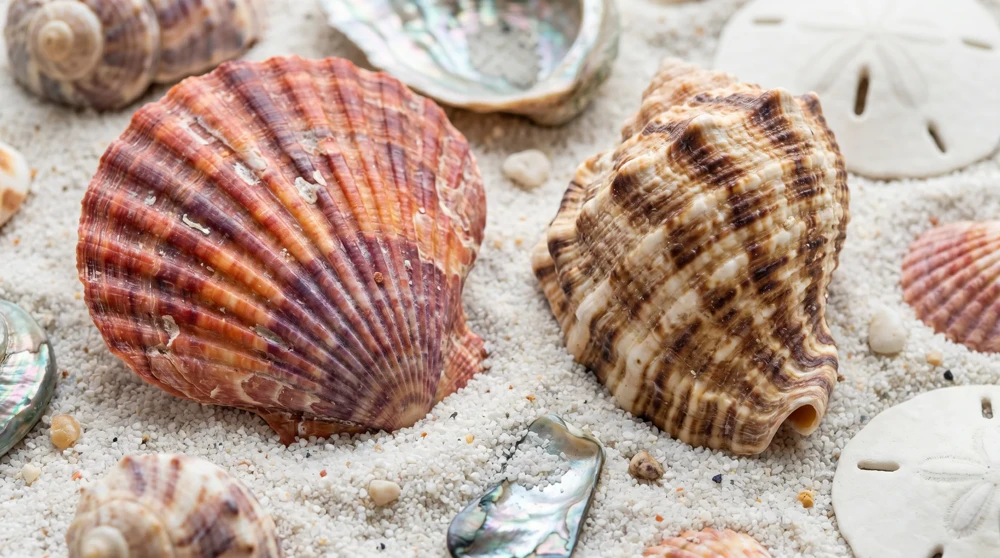
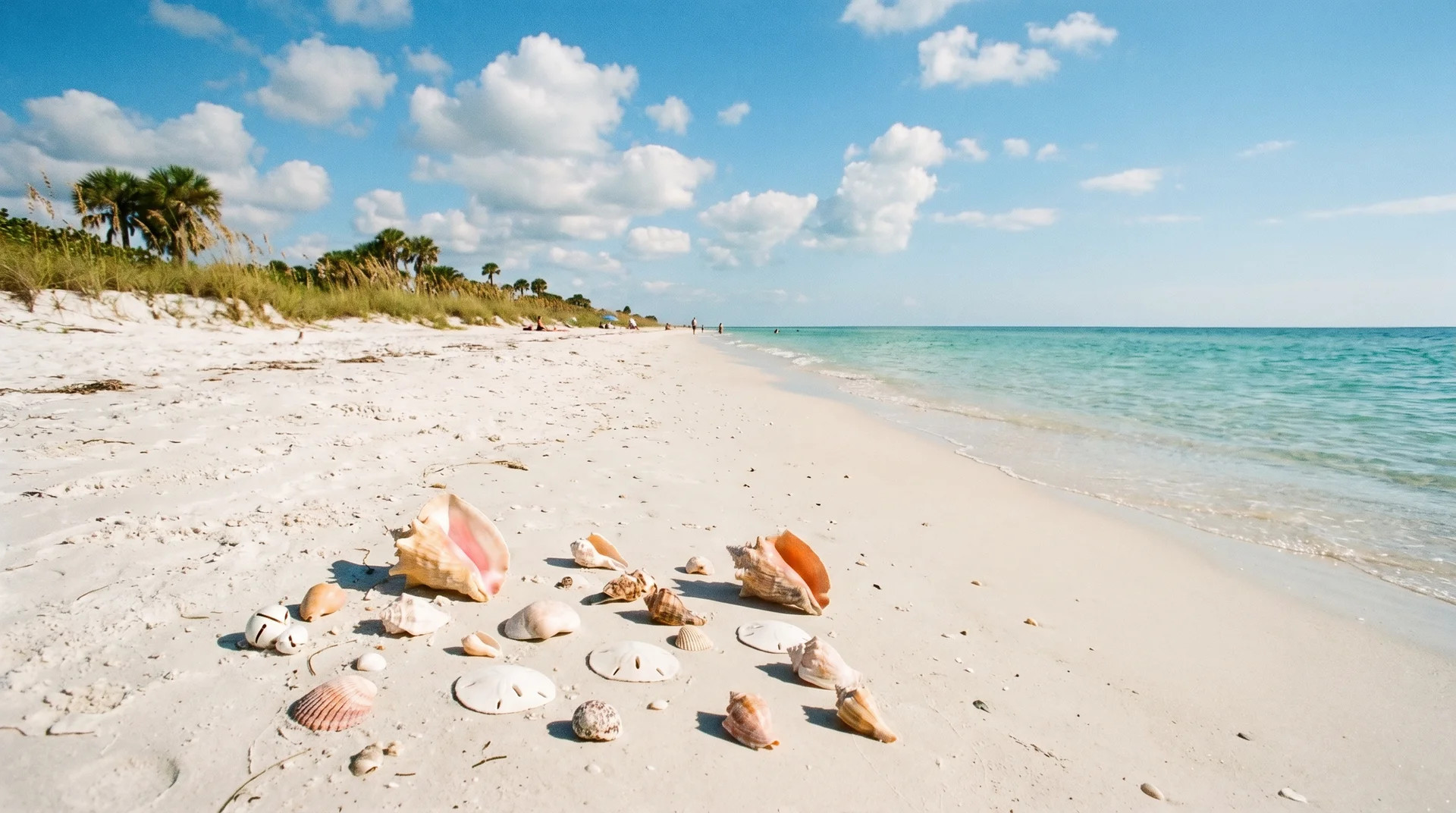
The northernmost section of the park is a paradise for shell collectors. You can find scallop, chestnut turban, and turkey wing shells scattered along the powdery white sand. Head out near low tide for the most impressive hauls, and bring a small mesh bag or bucket so the sand sifts through. Keep an eye out for seahorses wrapped around seagrass in the shallower tide pools as well.
Recent erosion and sand migration have physically separated the northern tip from the main island body. Water depth changes rapidly and hidden currents pose a real hazard in the newly formed cut. Do not attempt to swim through that temporary channel. Stick to the designated shallow areas where the water remains calm and clear.
Main Beach
Main Beach offers the best classic sandy beach experience on the island and is the most accessible area overall. The South Beach section includes ramps and wheelchair-accessible routes. A seasonal cafe near the pavilion serves sandwiches, snacks, and cold drinks, and you will find outdoor showers and restrooms at Bathhouse 3 near the northern end.
Note that no alcohol is permitted on the island, and the main restrooms near the ferry dock and Oasis Beach are still undergoing hurricane damage repairs. Well-maintained porta-potties and hand-washing stations are available throughout the parking areas in the meantime.
Dog Beach
Located at the southern end, this area gives leashed pets a chance to splash in the Gulf. The water here stays relatively shallow and relaxed. Watch your step when walking from the parking lot toward the shoreline, as hidden sand spurs in the dry brush areas will quickly lodge into paws. Stay on the clearly marked wider paths. A rinse-off station is available near the pet beach entrance.
Catching the Ferry to Caladesi Island
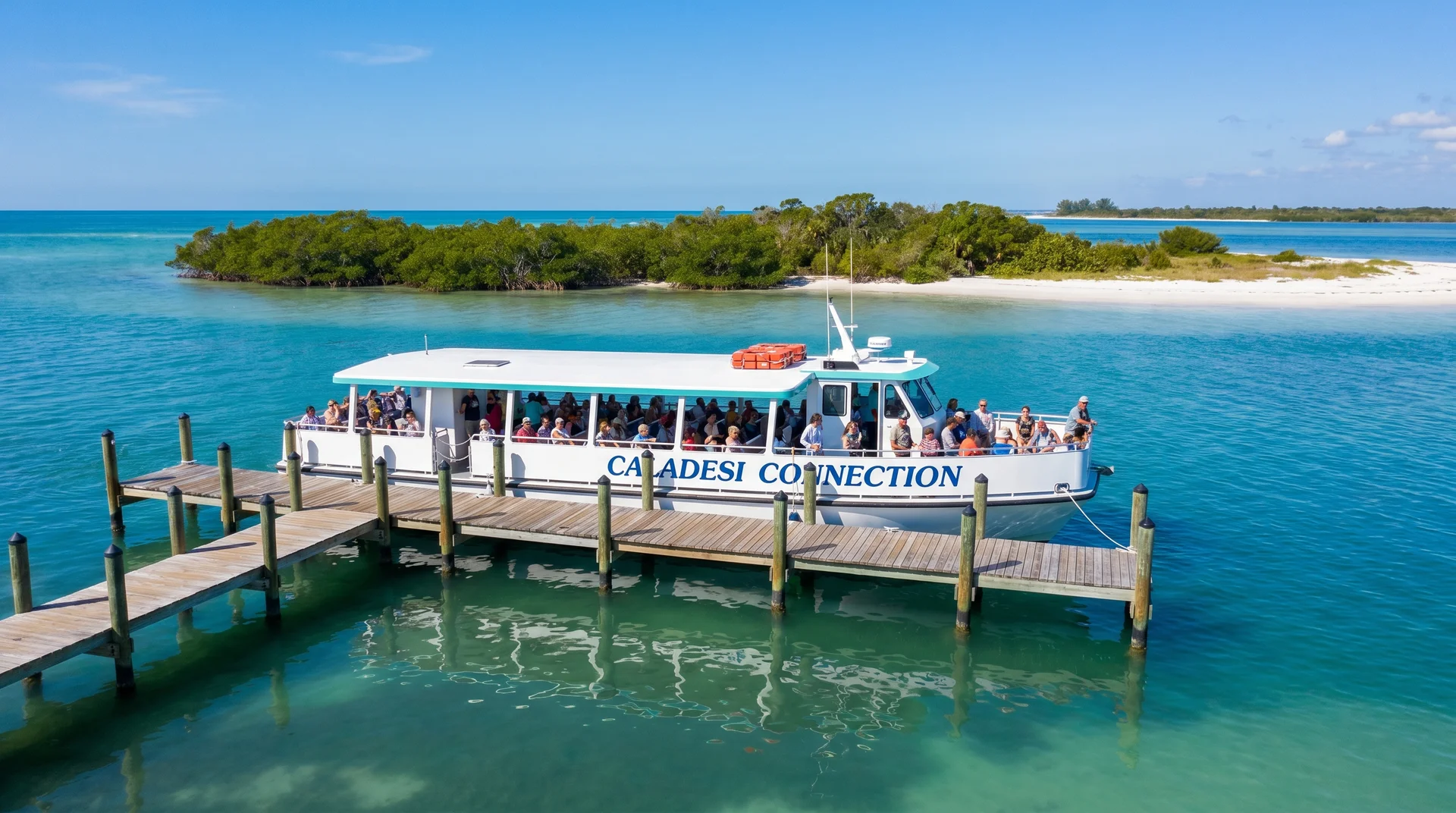
If you want to escape the crowds entirely, taking the Caladesi Connection ferry is your best move. The boat departs directly from Honeymoon Island and drops you onto an untouched neighboring island with no condos and virtually no noise.
Tickets cost $20 for adults and $10 for children ages 6 to 12. Children 5 and under ride free. The fare grants a four-hour stay on Caladesi Island. Ferries run hourly in the off-season and every 30 minutes from February through Labor Day, with the first departure at 10:00 a.m.
Pets are strictly prohibited on the ferry. Pack all the snacks and drinks you need since amenities on Caladesi are extremely limited. An alternative for those who prefer not to pay ferry prices is to rent a kayak or paddleboard at the concession stand and paddle across Hurricane Pass yourself.
Hiking the Osprey Trail
Stepping away from the shoreline reveals one of the last remaining virgin slash pine forests in the region. The 2-mile Osprey Trail loops through this maritime forest and offers remarkable wildlife viewing. A shorter option is the 3/4-mile Pelican Cove Trail, which circles the eastern edge near the mangroves.
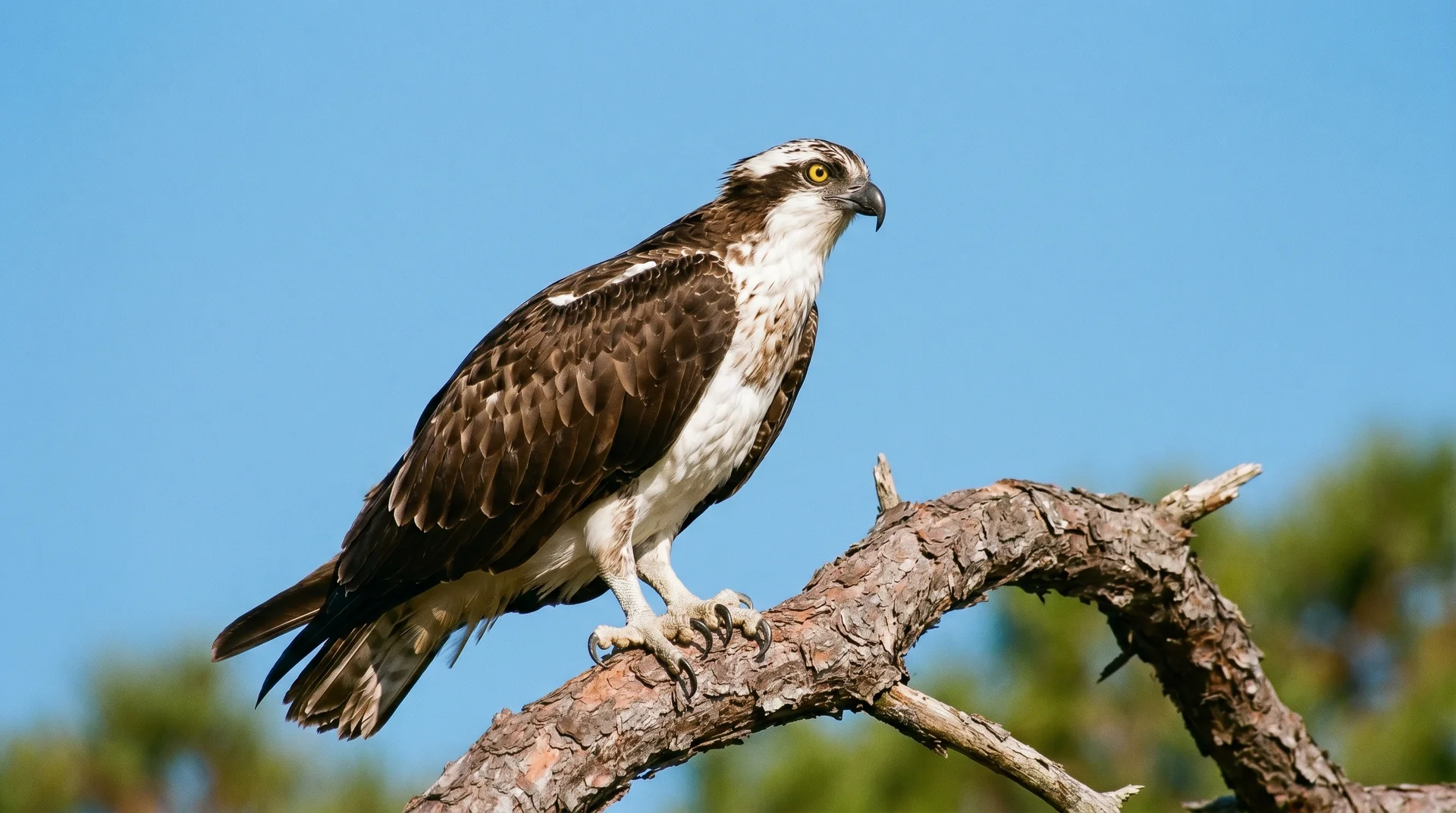
Look up into the canopy to spot bald eagles, great horned owls, and the trail namesake ospreys nesting in the tall pines. Gopher tortoises cross the sandy path regularly, and armadillos are a common sight in the brush. The trail surface starts as hard-packed dirt but turns into very soft sand toward the end.
Bring serious bug spray if you plan to explore the wooded sections. Mosquitoes thrive in the dense brush, especially near the mangrove patches. Carry plenty of water since the forest gets surprisingly hot and humid even in the winter months.
Surfing and Water Sports
Honeymoon Island is one of the few state parks in the Tampa Bay area where surfing is actually viable. The best surf breaks are found near North Beach close to Bathhouse 3. Conditions are modest by global standards but work well for beginners and intermediate surfers.
The park concession rents kayaks and paddleboards for those who want to explore the shoreline at their own pace or make the crossing to Caladesi without paying for the ferry. No lifeguards are on duty at any beach, so swim with caution and always do the stingray shuffle when entering the water.
Facilities, Food, and Parking Tips
The park is still visibly recovering from recent hurricane impacts. Several main structures remain under repair, including the primary restrooms near the ferry dock and Oasis Beach. Bathhouse 3 at the far end is fully operational and includes working showers. The South Beach Pavilion cafe runs seasonally and offers snacks and cold drinks.
A local food truck also operates near the main lots on busier days. Keep a close eye on your food when eating on the beach. The local seagulls are notoriously aggressive and will snatch items right out of your hands. Eat near shaded picnic tables or under the cafe area whenever possible.
From May through October, loggerhead sea turtles nest on the beach. Look for wooden stakes and wire cages placed over nests and give those areas a wide berth. For more Florida coastal park options, the Glass Beach, Fort Bragg guide covers a very different kind of shoreline experience worth comparing.