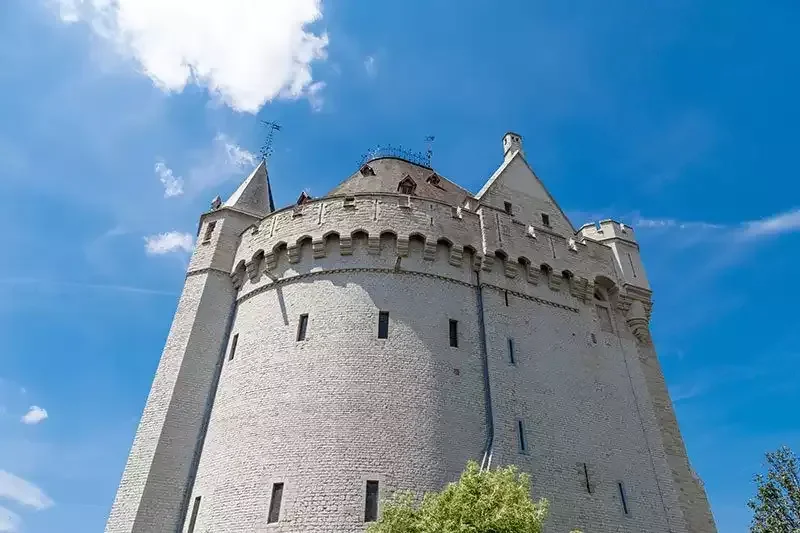
Many travelers walk all the way to the Halle Gate expecting sweeping panoramic views from the top, only to find the rooftop access completely blocked by scaffolding. The ongoing 2026 restoration has temporarily closed the attic and walkway, but skipping this site entirely is a mistake. The remaining medieval floors still hold the most impressive armor collections and historical artifacts in Brussels.
- Entrance fee: adults 7 EUR, students 3 EUR, children under 18 free
- Restoration status: roof and walkway closed until winter 2027
- Audio guide: included with your ticket and highly recommended (signage inside is French and Dutch only)
- Facilities: free luggage lockers (1 Euro coin or ask reception for a token)
- Last entry: ticket sales stop at 16:00
- Closed: Fridays and major public holidays
Crucial Update: 2026 Roof Restoration & Access
The building agency initiated a massive project to restore the neo-Gothic roof back in March 2025. This project is expected to last until winter 2027. You cannot access the crenellated rampart walk right now.
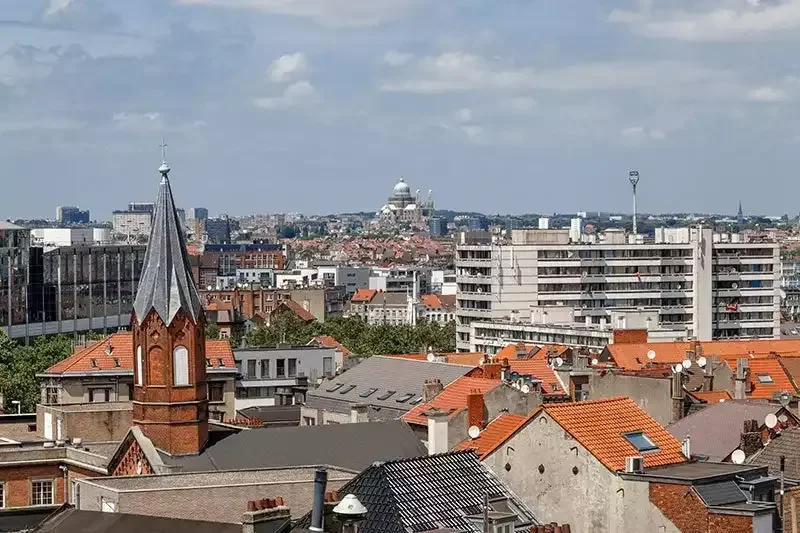
The good news is the museum itself remains entirely open. The lower floors still offer a deep dive into the 16th-century history of the city. You need to time your visit carefully. The self-service ticket machines shut down right at 16:00. Arriving even one minute late means you stay outside.
Inside the Halle Gate Museum
Stepping inside feels like leaving the modern city far behind. The atmosphere is remarkably quiet, the stone walls incredibly thick. You are standing inside the only surviving part of the second surrounding wall of Brussels.
The Permanent Medieval Collection
The exhibition floors focus heavily on city fortifications and the ancient trade guilds. You will find fascinating displays of medieval armor, weaponry, and an old horse exhibit.
The highlight of the collection is the parade armor of Archduke Albert of Austria, Governor General of the Habsburg Netherlands in the 17th century. The provided audio guide breathes life into these static objects, and you genuinely need it: all signage is in French and Dutch only. Taking the time to listen to the detailed stories makes the whole experience much richer.
One visitor tip worth noting: starting from the top floor and working your way down gives you a more logical narrative flow through the history. The lift takes you up, and you descend through the centuries.
The Grand Spiral Staircase
Even without the rooftop view, the architecture inside commands attention. The pristine white stone spiral staircase connects all the museum floors beautifully. You can easily spend an hour just admiring the architectural details Henry Beyaert added during his 19th-century renovations.
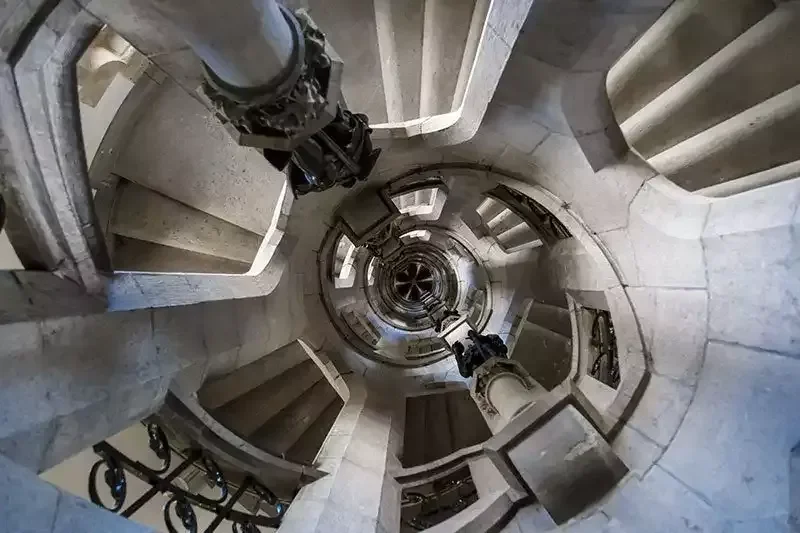
The heavy doors throughout the building are kept closed, and opening each one, with their massive metal locks still fully functional, becomes part of the experience. If you have mobility concerns, a modern elevator safely transports you between all the accessible levels.
Practical Info for Families: The Medieval Playground
Traveling with children requires strategic planning. Right next to the museum sits one of the best outdoor playgrounds in the area. This castle-themed park provides a massive sandbox and plenty of space to run around. You can explore the historical exhibits first and then let the kids burn off their energy just 100 meters away.

museumPASSmusées and Brussels Card
Both the museumPASSmusées and the Brussels Card cover full free admission to the Halle Gate. If you are visiting multiple Brussels museums over two or more days, either pass will pay for itself quickly. Annual pass holders from the Royal Museums of Art and History (RMAH) also enter free, as do ICOM members and Friends of the RMAH.
Advance booking is recommended because of time slot limits, especially on weekends.
How to Get to Porte de Hal from Midi Station
Reaching the monument is incredibly straightforward. You can easily walk here directly from the Midi Station in about ten minutes, following the petite ceinture ring road. Metro lines 2 and 6, trams 4, 10, and 51, and several bus lines all stop at the Porte de Hal station, which sits directly next to the museum entrance.
Make sure to carry a 1 Euro coin or ask the staff for a token to use the basement lockers. Exploring a medieval tower with heavy backpacks is a terrible idea.