Paying £15 for a small museum tucked away in a side street might feel steep until you realize that ticket quietly includes access to a completely different fortress across town. Before you walk through the doors on Bomb House Lane, be prepared to put your phone away completely: the staff enforces a strict zero-photography rule to protect the artifacts inside.
- Entry Fee: £15 per adult (includes access to the Parson's Lodge Natural History Museum)
- Children: Free for infants under 5, £7.50 for children under 12
- Opening Hours: Monday to Friday 10:00-18:00, Saturday 10:00-14:00. Closed Sundays and public holidays
- Duration: 1 to 2 hours
- Location: 18-20 Bomb House Lane (a quiet side street off Main Street)
- Accessibility: Multiple levels with stairs; very limited access for wheelchair users or visitors with severe mobility issues
Is the Gibraltar National Museum Worth the £15 Ticket?
The museum operates on a joint-ticket system. Your £15 entry covers both the National Museum and the Parson's Lodge Natural History Museum, located in the far south of the territory. If you have time to visit both, the value is excellent. If you only have time for the museum itself, it can feel a bit pricey for larger groups, but the historical depth inside makes up for it.
This ticket is entirely separate from the Upper Rock Nature Reserve pass, which covers the Great Siege Tunnels and the Barbary macaques higher up the Rock, so budget for both if you want the full picture.
Do not expect a sleek, ultra-modern interactive tech hub. The building is a fascinating, old-school warren of small rooms and narrow passages. It feels much more like an 18th-century Victorian gentleman's private study than a contemporary exhibition space. The layout jumps around chronologically, but the raw historical value found in these artifacts provides a massive information gain for anyone wanting to understand how the Rock evolved.
What to See Inside the Museum?
The collections cover thousands of years, from ancient bones to military strategies. Knowing the highlights prevents you from getting lost in the less-documented sections.
The 14th-Century Moorish Baths
Located directly in the basement of the museum, these perfectly preserved baths are the absolute star attraction. Built during the Marinid dynasty, the architecture is stunning. The conservation work here reveals the original construction beautifully. It offers a quiet, cool retreat from the busy streets outside, though signage explaining the different rooms of the bathhouse is quite minimal.
Neanderthal Reconstructions and Gorham's Cave
Right at the entrance, incredibly lifelike reconstructions of a Neanderthal woman and child greet you. These models are based directly on ancient skulls discovered in the caves around Europa Point. Reviewing these exhibits provides perfect context if you plan to visit the Gorham's Cave Complex viewing platform later in your trip.
The 1860s Scale Model of The Rock
The second floor houses an astonishing 26-foot-long scale model of Gibraltar. The detail is phenomenal, mapping out every single house, road, and battery from the 19th century. Surrounding this model are hundreds of historical photographs and drawings showing how dramatically the landscape has changed. Adjacent rooms hold an extensive array of artifacts from the Great Siege (1779-1783) and World War II, complete with authentic tactical gear and weaponry.
What Are the Strict Rules and Accessibility Options?
The no-photography rule is absolute. Staff members actively monitor the rooms, and you will be asked to put your camera away if you try to snap even a quick picture of the Neanderthal exhibits or the Moorish Baths.
Accessibility requires careful consideration. The building is an authentic historical structure, meaning uneven floors, narrow corridors, and several flights of stairs. Navigating the exhibits with a cane or severe mobility issues is genuinely difficult.
Another quirk of the museum is the lighting and curation. Several varnished display cabinets are poorly lit, making it hard to read the text. In rooms filled with impressive model ships, contextual placards explaining how these vessels fit into local history are often missing. You have to rely entirely on visual observation.
How to Get to Bomb House Lane?
Finding the museum requires keeping a sharp eye out. It sits slightly hidden down a side street just off the bustling Main Street. The exterior signage is quite small, making it very easy to walk right past the doors.
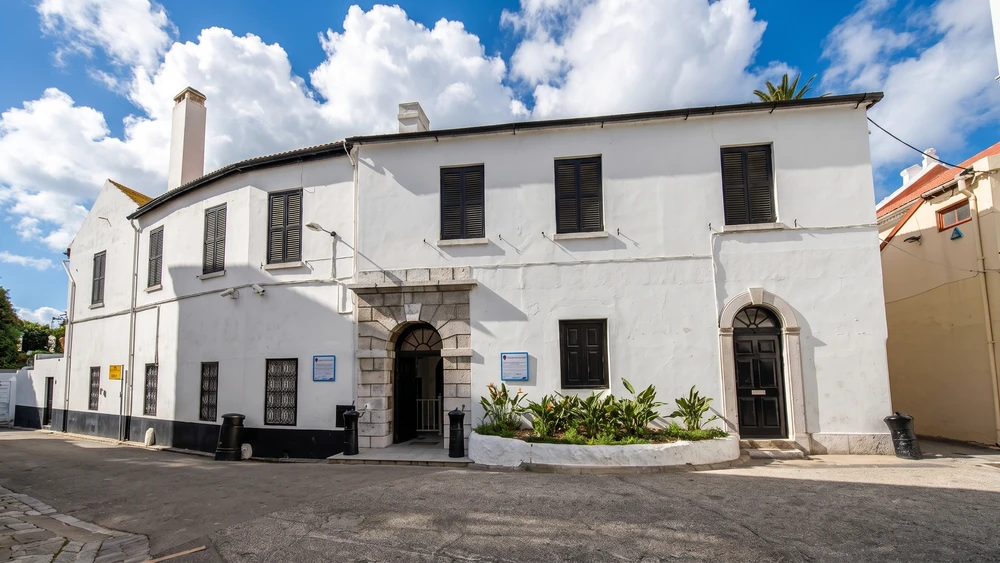
There is no immediate parking available outside the museum. The best approach is to park in one of the public garages around the town center and walk. The entire town is compact enough that walking from the main square to Bomb House Lane takes only a few minutes.