Arriving at the Ceiba ferry terminal only to find tickets sold out, or returning to your rental car at 5:30 PM to find the parking lot chained shut, instantly ruins a trip to Culebra. Navigating the logistics of Flamenco Beach requires exact timing, a handful of cash, and knowing exactly which side of the bay to set up your towel to avoid seasonal seaweed.
- Entrance fee: $2 per person (cash only)
- Parking fee: $5 per vehicle (cash only)
- Transport from port: $5 per person via shared taxi (público)
- Facilities: restrooms, outdoor showers, food kiosks, and lockers
- Crucial rule: the main parking lot gate is chained at exactly 5:30 PM
How to Get to Flamenco Beach from Puerto Rico
Taking the Ferry from Ceiba Terminal
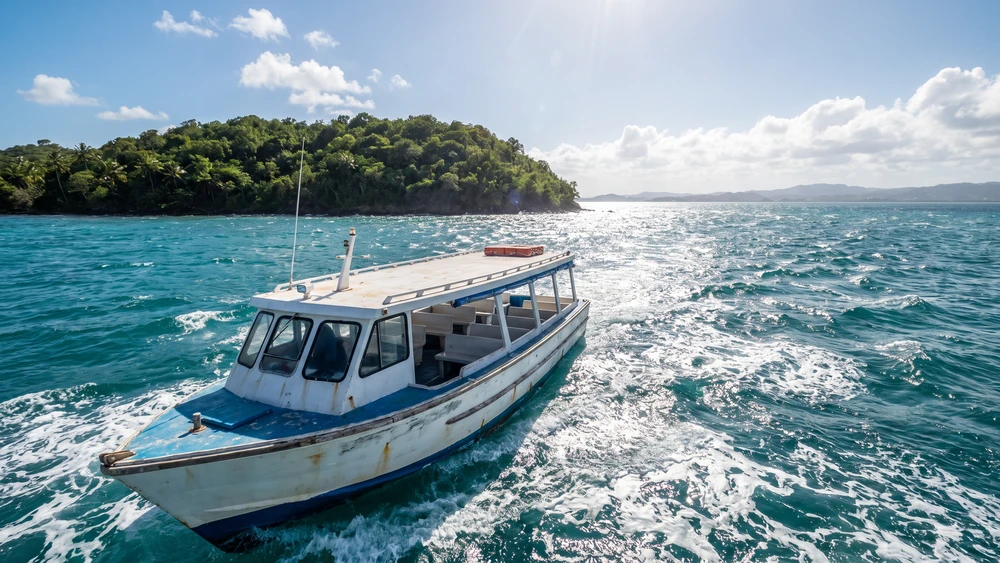
The cheapest and most common route to Culebra starts at the Ceiba Ferry Terminal on the east coast of Puerto Rico. Buy your tickets online weeks in advance, as weekend and holiday slots sell out rapidly; see our Ceiba to Culebra ferry guide for the current fares and boarding rules. Avoid the cargo ferry if you have a choice; the ride is rougher, and passengers often experience severe seasickness in the cramped front cabins.
Dewey Ferry Port to the Beach (Taxis vs. Rentals)
Once you step off the ferry at the Dewey terminal, you have a 10-minute drive to the sand. Shared taxi vans (públicos) line up directly outside the dock and charge $5 per person each way. If you plan to explore other parts of Culebra, rent a golf cart or Jeep from agencies within walking distance of the terminal. Do not attempt to bring a mainland rental car on the cargo ferry, since space is strictly reserved for local supply trucks.
Entrance Fees, Parking, and Amenities
Unlike many secluded beaches on the smaller islands, Flamenco offers maintained infrastructure, but access requires physical cash. The entrance fee is $2 per person, and parking a golf cart or Jeep costs an additional $5 per day. This revenue funds the on-site amenities, keeping the public restrooms clean and the outdoor showers functional.
Changing rooms are currently limited, so arriving in your swimwear saves time. The facility area also includes small lockers for securing valuables while you swim or snorkel.
What to Expect: The Sand, Water, and Wildlife
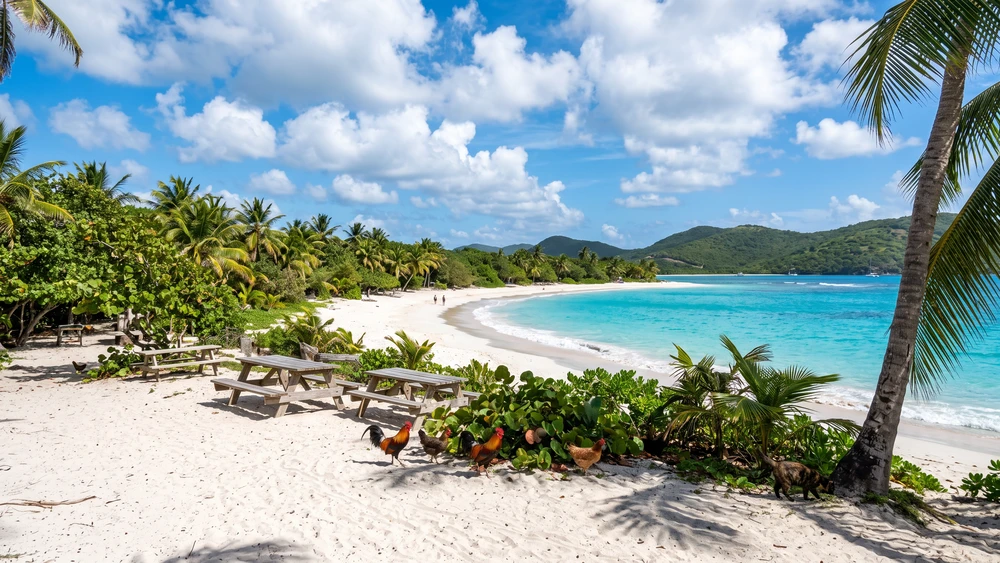
The sand here is incredibly fine and powdery, completely free of sharp rocks or shells near the main swimming areas. The water remains shallow for quite a distance, with minimal currents making it ideal for relaxed wading.
Local wildlife is highly active around the tree lines. Feral chickens and wild cats roam the picnic areas, quickly snatching any unattended food left on beach towels.
Dealing with Seasonal Sargassum
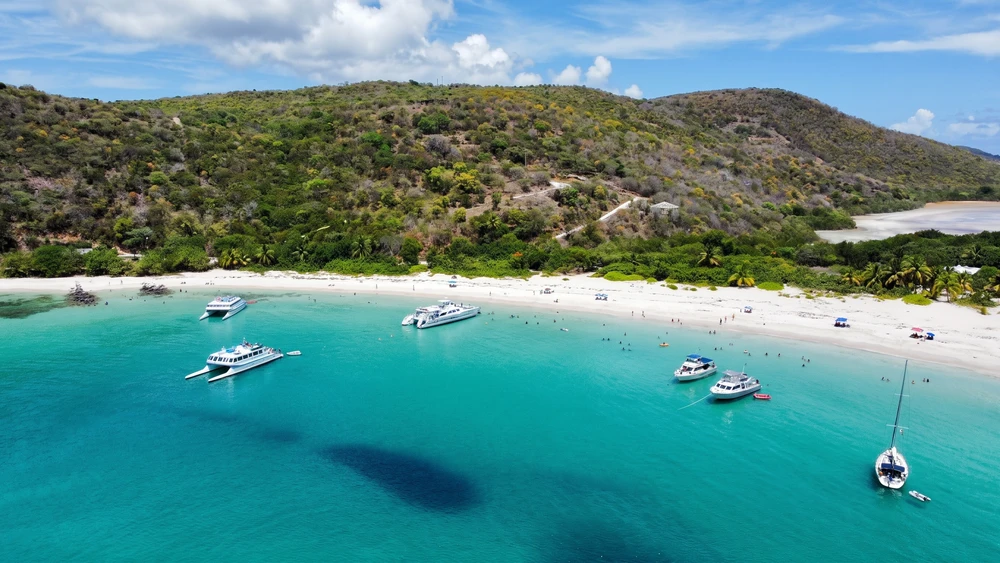
During summer months, seasonal sargassum (seaweed) washes ashore and accumulates heavily in the center and left sections of the bay. Walk all the way to the right (east) side of the beach to find the clearest water and the cleanest shoreline. The main lifeguard tower focuses on the central area, so swim carefully when moving further down the coast.
The Iconic US Navy Tanks
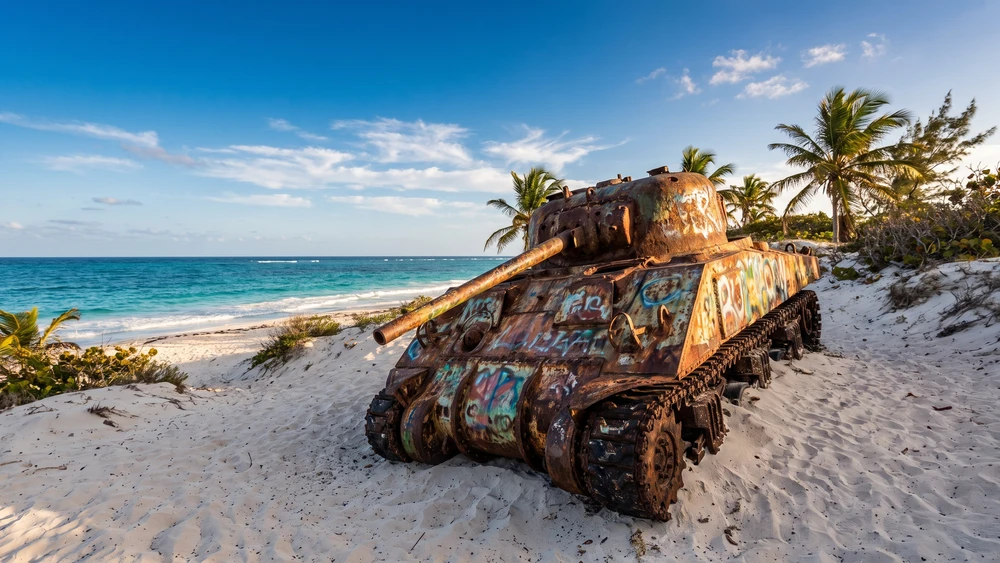
Rusted military tanks, remnants of the US Navy's weapons testing in the 1970s, sit partially submerged in the sand. You will find the most famous, graffiti-covered tank by walking entirely to the left (west) end of the beach. It takes about 20 to 30 minutes to walk the full length of the shore to reach it, and no guided tour or ticket is needed; the tank sits in the open and anyone on the beach can walk right up to it.
Climbing on the tank is technically possible but discouraged, since decades of rust and wave erosion have left the metal unstable in places. Stick to the marked beach paths near the old military zone rather than wandering into the surrounding brush, since parts of the former Navy range still carry a risk of unexploded ordnance decades after the exercises ended.
Snorkeling at Flamenco Beach
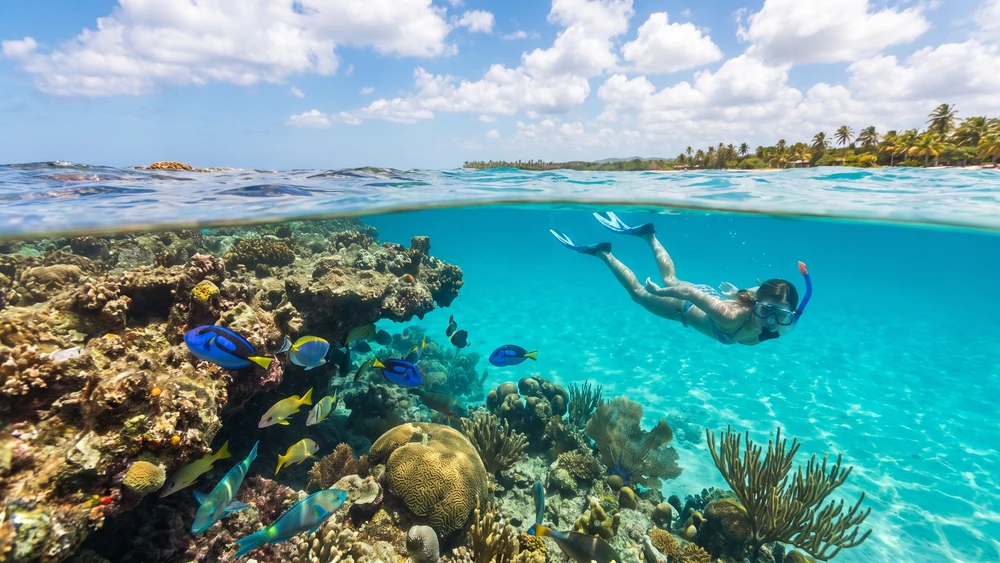
The most active coral reefs sit on the far right (east) side of the bay, directly off the rocks. Swim out into knee-deep to waist-deep water to spot green sea turtles, stingrays, and various tropical reef fish. The central bay has a sandy bottom with minimal marine life, so sticking to the rocky edges yields the best underwater visibility.
If you do not have your own mask and flippers, you can easily find rental gear near the parking lot.
Food Kiosks and Beach Rentals (What to Pack)
You do not need to pack heavy coolers from the mainland. A dedicated cluster of kiosks operates directly behind the beach, serving local staples like pinchos (meat skewers), empanadas, and tropical drinks.
Shade is heavily limited along the shoreline. Kiosk vendors rent out umbrellas and beach chairs for a daily fee, cash only. Bring plenty of high-SPF, reef-safe sunscreen, since the Caribbean sun is intensely unforgiving on this fully exposed bay.
4 Insider Warnings for a Better Visit
- The 5:30 PM lockout: Facility staff chain the parking lot gates at 5:30 PM sharp. Move your vehicle outside the gates before this time if you plan to stay and watch the sunset.
- Post-rain sand fleas: Brief, 10-minute tropical showers happen frequently. Once the rain stops, sand fleas emerge aggressively, making bug spray just as important as sunscreen.
- The cash rule: Cell service is highly unstable on the island, meaning card readers at kiosks and entrance booths frequently fail. Carry enough cash in small denominations for transport, entry, food, and rentals.
- No glass bottles: Beach guards strictly enforce the ban on glass bottles, issuing instant tickets to violators. Pack canned beverages or transfer your drinks to reusable insulated containers.