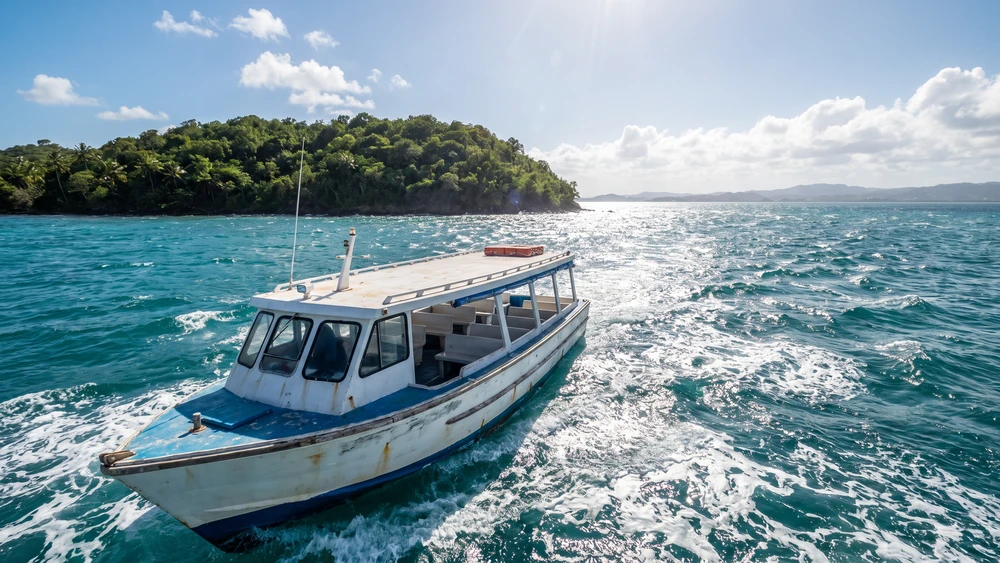
Showing up at the old Fajardo terminal or trying to bring a mainland rental car onto the Culebra cargo ferry will instantly derail your island itinerary. The entire maritime system relocated to the Ceiba Roosevelt Roads base back in 2018, and navigating its strict ticket quotas requires exact timing.
- Terminal location: Ceiba Ferry Terminal (former Roosevelt Roads Naval Station)
- Crossing time: about 1 hour on the passenger ferry, up to 90 minutes on the cargo ferry
- Non-resident adult fare: $4.25 one-way
- Ticket release window: limited advance inventory opens through puertoricoferry.com and the City Experiences app
- Check-in rule: arrive 1 hour early; boarding gates close 10 minutes before departure
Where Does the Culebra Ferry Depart From?
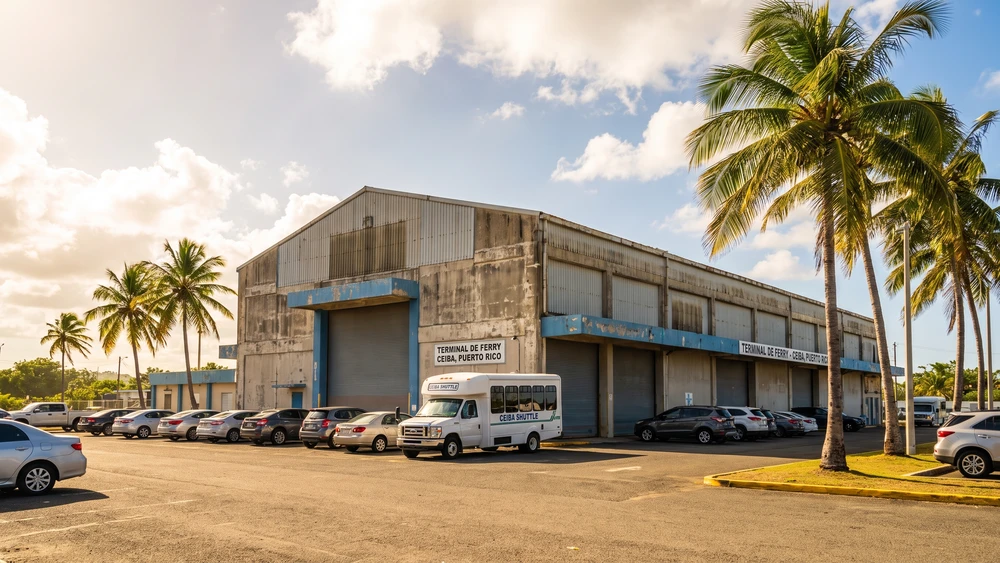
If your GPS or an outdated guidebook points you toward Fajardo, correct your route immediately. All passenger and cargo routes to Culebra now operate exclusively out of the Ceiba Ferry Terminal, located on the grounds of the former U.S. Naval Station Roosevelt Roads.
The drive from San Juan takes about 90 minutes in normal traffic, but holiday weekends frequently cause heavy backups along the PR-3 highway. Give yourself a solid two-hour window to reach the gates, park, and take the shuttle to the terminal building.
Ferry Schedules and Ticket Prices
The Puerto Rico government heavily subsidizes these routes, making the ferry one of the most budget-friendly transit options in the Caribbean. Non-residents pay a fare that includes a Culebra Environmental Tax, a surcharge the municipality applies to visitor tickets to fund island conservation and municipal services.
| Passenger / Item | One-Way Fare |
|---|---|
| Adult (13-59 years, non-resident) | $4.25 |
| Child (4-12 years) | $1.00 |
| Senior (60-74 years) | $1.00 |
| Beach cooler or bicycle | $2.00 |
| Beach chair or umbrella | $1.00 |
You will notice two types of vessels on the official schedule: passenger-only and cargo ferries. The passenger boats make the crossing in about an hour, while the heavier cargo vessels can take up to 90 minutes. For standard day-trippers and vacationers, the faster passenger ferry is always the better choice.
How to Buy Tickets Online in Advance
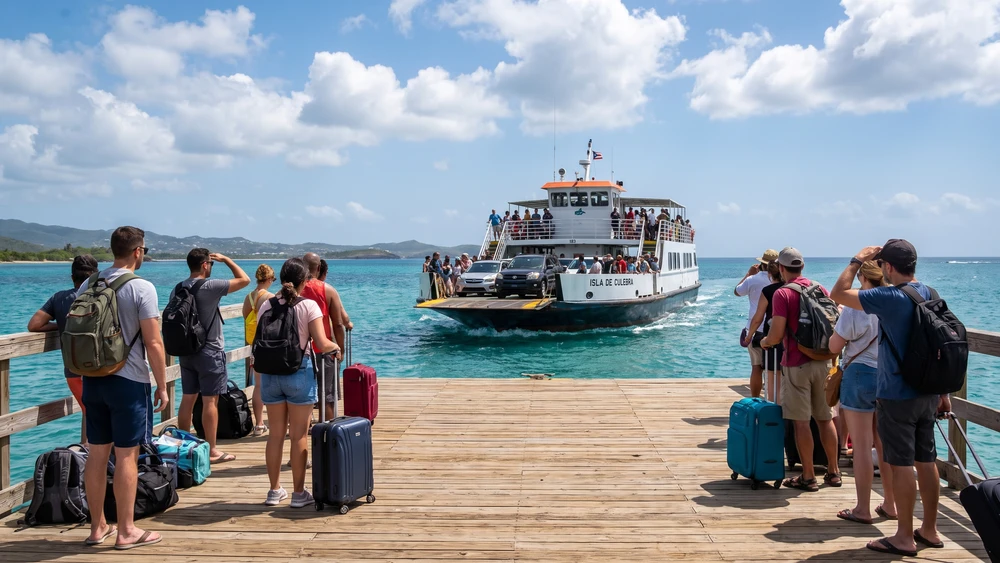
Do not leave your crossing to chance by hoping to buy tickets at the window on a Friday morning. Advance online inventory is limited for non-residents and frequently sells out weeks ahead during the summer and holiday weekends. Use the official Puerto Rico Ferry website or the City Experiences mobile app to secure your spot as soon as tickets for your travel dates go live.
Crucially, buy your return ticket at the exact same time. The Sunday afternoon ferry back to Ceiba is among the hardest tickets to get all year. Travelers get stranded in Dewey simply because they assumed return tickets would be easily available on the island.
What to Do If Ferry Tickets Are Sold Out?
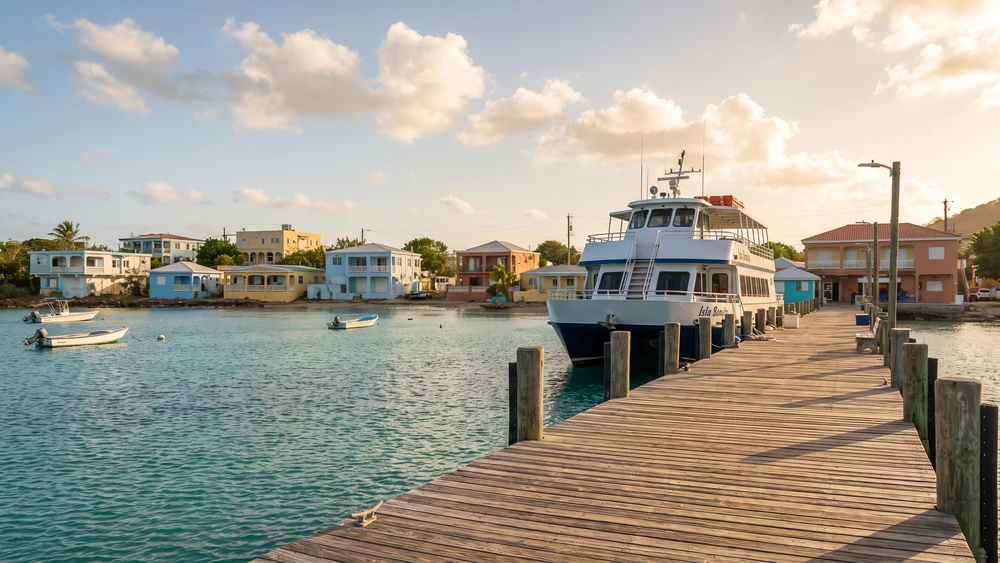
If the online system shows zero availability for your dates, you still have functional backup plans. A small batch of same-day tickets is often released at the Ceiba ticket window for non-residents, though claiming one requires arriving before dawn and standing in line with no guarantee of success.
A safer alternative is booking a short flight. Small regional carriers like Air Flamenco, Vieques Air Link, and Cape Air run 25-minute hops from San Juan's Isla Grande Airport (SIG) directly to Culebra. Flights start around $89 one-way and remove the stress of ferry quotas entirely. If your budget allows, private boat charters out of Marina Puerto del Rey in Fajardo offer an all-inclusive, schedule-free crossing straight to the reefs.
Ceiba Ferry Terminal Parking and Ground Transport
You cannot bring a tourist rental car to Culebra. Vehicle space on the cargo ferries is strictly reserved for registered island residents, and major mainland rental companies will void your insurance if you attempt to load a vehicle onto a boat anyway.
Instead, park your vehicle at the secure Ceiba terminal lot for about $15 per day. A dedicated shuttle constantly loops between the parking area and the main departure gates. Once you dock in Culebra, numerous rental agencies operate just blocks from the terminal in Dewey, offering golf carts and 4WD Jeeps to reach Culebra's best beaches and places to stay around the island's steep, narrow roads.
Boarding Process and Luggage Rules
Arrive at the terminal exactly one hour before your scheduled departure. The crew physically closes the boarding gates 10 minutes prior to cast-off, and they will leave without you if you are sprinting down the dock. Boarding follows a strict hierarchy: residents, seniors, and veterans load first, followed by online ticket holders, and finally those who purchased at the counter.
Travel light. Every large item you bring requires its own specific cargo ticket. If you plan to haul a surfboard, a cooler, or beach chairs, select the corresponding add-on fees during your online checkout. Pets are allowed onboard, but any animal that is not a documented service dog must remain secured inside a hard-sided travel crate for the entire journey.

Seasickness and Weather Delays
The eastbound morning run from Ceiba to Culebra forces the boat directly against the incoming Atlantic swell. This crossing gets rough, especially during the winter months when the trade winds pick up. If you have any history of motion sickness, take Dramamine at least an hour before you reach the terminal; swallowing a pill while staring at choppy water on the dock is already too late.
For the smoothest ride, head straight to the lower deck and claim a seat dead center in the cabin. The boats are sturdy and safe, but maritime weather in the Caribbean changes rapidly. Keep the City Experiences app installed on your phone to receive push notifications about weather-related delays or sudden schedule shifts.