You are planning a trip to the Yucatan Peninsula and looking for an authentic Mayan experience. Coba Ruins offer exactly that. Hidden deep in the jungle, this ancient city feels completely different from the heavily manicured grounds of Chichen Itza.
We walked these shaded trails, bargained for a bicitaxi, and explored the massive Nohoch Mul pyramid. Forget the generic travel brochures. Here is exactly what you need to know to navigate the massive Coba archaeological site in 2026.
- Opening Hours: 8:00 AM to 5:00 PM (Last entry at 3:30 PM).
- Entrance Fee: 100 Pesos per person.
- Payment: Cash only (Pesos are best).
- Climbing Status: Climbing the pyramid is strictly prohibited.
- Time Needed: 2 to 3 hours.
Can You Still Climb the Coba Ruins Pyramid?
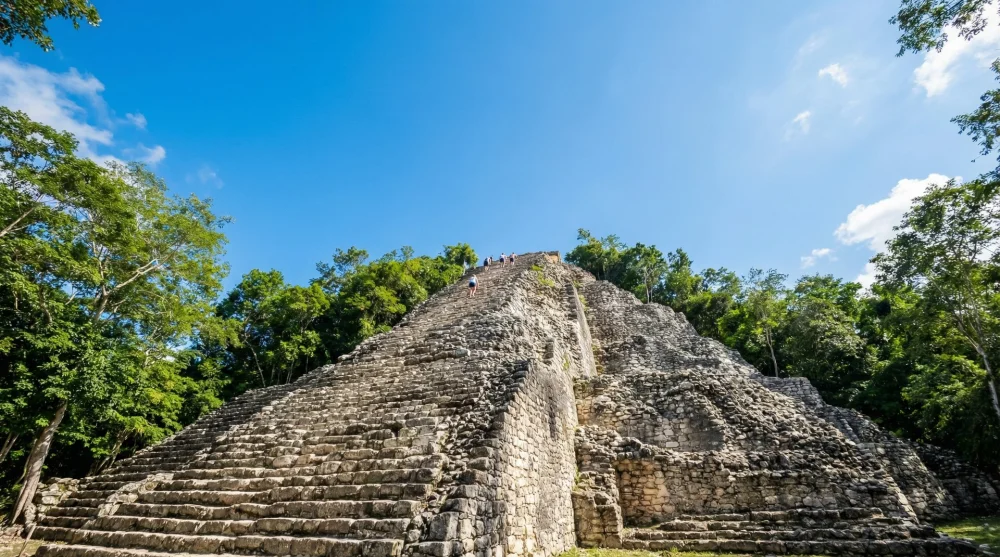
Let us address the most common question right away. No, you cannot climb the Nohoch Mul pyramid anymore. Conservation authorities closed the steps to the public due to safety and preservation concerns. Some older blogs still tell you to pack good climbing shoes. Ignore them. Standing at the base of this 42-meter giant is still an incredible experience. You get a real sense of its scale without risking a dangerous fall.
How to Get to Coba Ruins
Getting here is straightforward, but the heat dictates your schedule. Arrive early to beat the crowds and the midday sun. The drive takes you through small local villages known for their aggressive speed bumps (topes), so keep your eyes on the road.
From Tulum (ADO Bus, Colectivo, Rental Car)
Tulum is your closest major hub. Driving a rental car takes about 45 minutes straight down the Nuevo Xcan highway. If you prefer public transport, catch the ADO bus from the main Tulum terminal. The round-trip ticket is cheap, and the buses are air-conditioned. For a more local vibe, grab a shared minivan (colectivo) at the corner of Calle Osiris Norte and Avenida Tulum. They leave when full and drop you right at the Coba entrance.
From Cancun & Playa del Carmen
Driving from Cancun takes just over two hours, while Playa del Carmen is about an hour and a half away. Follow Highway 307 south to Tulum, then turn inland at the major intersection. The roads are well-paved and perfectly safe for a standard rental car.
Coba Ruins Entrance Fee & Practical Costs
Bring plenty of Mexican Pesos. The ticket booth rarely accepts cards, and the cell signal for payment terminals drops constantly in the jungle.
- General Admission: 100 Pesos.
- Parking: 50 Pesos if you bring a rental car.
- Bike Rental: 50 Pesos for the day.
- Bicitaxi (Chauffeured Tricycle): Around 140 Pesos for a guided ride.
Pack your own water and snacks. Vending services inside the archaeological zone are practically non-existent.
Walking, Biking, or Bicitaxi: The Best Way to Explore
Coba is massive. The main pyramid sits over a mile from the entrance. Walking the dirt paths is an option, but the jungle humidity drains your energy fast. Renting a bike gives you the freedom to zip between the ruin clusters at your own pace. If you want a truly relaxing experience, hire a bicitaxi. The driver pedals you through the jungle canopy, points out hidden stelae, and saves your legs for the rest of your trip. We took the bicitaxi on our last visit and found it totally worth the small expense.
What to See Inside the Coba Archaeological Zone
The site spreads across 30 square miles, but only a fraction is excavated. You navigate through a thick forest canopy, discovering ancient structures swallowed by nature.
Nohoch Mul Pyramid (Ixmoja)
This is the undeniable centerpiece of Coba. Rising 137 feet into the sky, it holds the title of the tallest pyramid on the Yucatan Peninsula. The sheer vertical drop of the 120 steps shows you exactly why climbing was eventually banned. The surrounding jungle clearing offers great angles for photography.
The Sacbeob (Ancient White Roads)
You are literally walking on history here. The Maya built these elevated limestone causeways to connect Coba with neighboring cities. The longest one stretches 62 miles all the way to Yaxuna. They constructed these roads perfectly straight through dense jungle, proving their absolute mastery of engineering.
The Macanxoc Group & Stelae
Most tourists skip this spiritual area, leaving it blissfully quiet. Here you find eight large stone slabs known as stelae. The Maya carved these monuments to record historical events and track astronomical cycles. Take a moment to look closely at the faded glyphs depicting ancient rulers.
The Mayan Ball Courts
Coba features two distinct ball courts. Two teams once battled here, using only their hips and elbows to pass a heavy rubber ball through stone rings. The slanted walls give you a clear idea of how challenging this ritualistic sport was.
Best Cenotes Near Coba Ruins
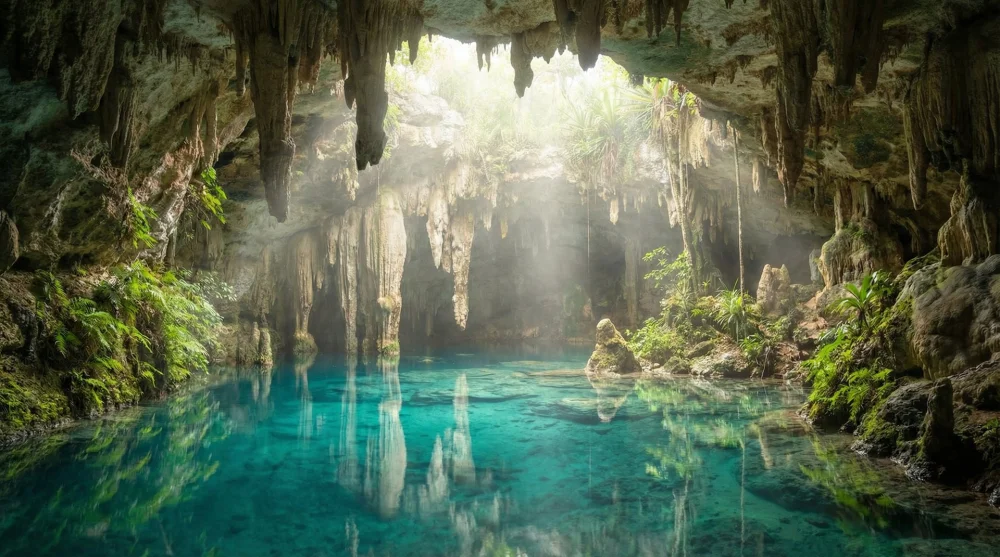
Exploring ancient cities makes you sweat. Fortunately, three incredible underground sinkholes (cenotes) sit just 10 minutes from the Coba parking lot. Cenote Choo-Ha offers shallow, crystal-clear water surrounded by stalactites. Cenote Tamcach-Ha features high wooden platforms for cliff jumping. Cenote Multum-Ha requires a walk through the jungle but rewards you with a deep, cavernous pool. You pay a separate entrance fee for each, so pick one or two and dive in.
Coba vs. Tulum Ruins: Which Should You Visit?
Choose Coba if you crave jungle adventure, shade, and a massive sprawling site. It feels raw and authentic. Tulum Ruins offer zero shade and get incredibly crowded, but they sit on a dramatic cliff overlooking the turquoise Caribbean Sea. If you have a rental car, you can easily do both in one day. Start at Coba when the gates open, cool off in a cenote, and hit Tulum in the late afternoon.