Laskarina Bouboulina was not a figure history handed power to - she seized it, funded a revolution from her own trading fortune, and commanded a naval fleet at a time when women were not supposed to set foot on a warship. The Bouboulina Museum in Spetses preserves her story inside the very mansion where she lived, and it does so on its own terms: no wandering, no self-guided browsing, no exceptions.
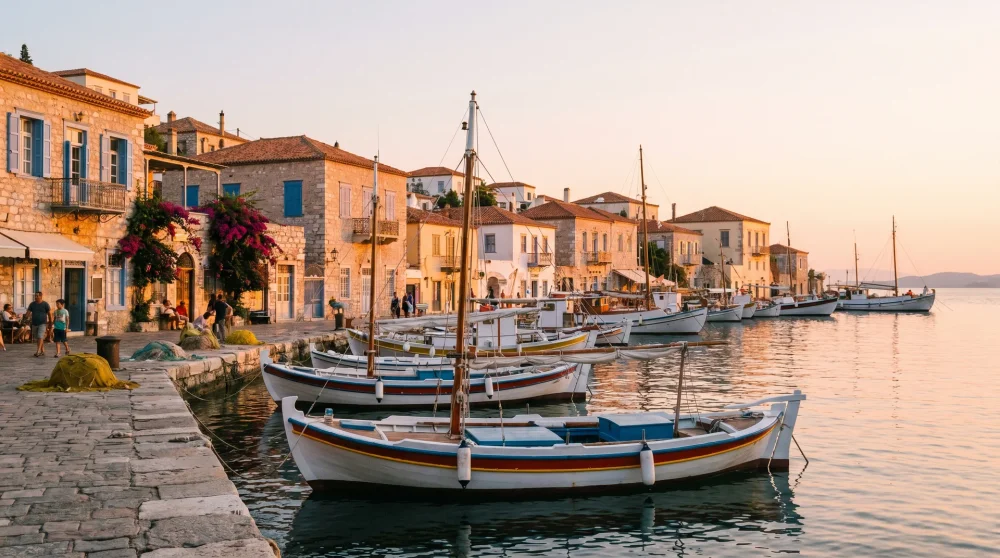
The Bouboulina Museum sits in the old town of Spetses, a short walk from Dapia port - the same area where most visitors choose to stay. Admission is €6 (general) as of 2026. Entry is by mandatory guided tour only, departing roughly every 30 minutes. Tours last 40 minutes. The museum opens seasonally from March 25 to October 28 - check tour times posted at the port or museum entrance on arrival. Photography is allowed only in the courtyard.
Practical Information: Tickets, Hours, and Strict Entry Rules
The museum operates differently than standard state-run institutions. It is a private non-profit organization managed by the 6th and 7th generation direct descendants of Bouboulina herself, which means the operational rules are exceptionally rigid. Several family members work as guides, and the books and souvenirs sold on site include a volume on Bouboulina written by the museum's founder, a direct descendant.
General admission is €6, with a reduced rate of €4 for university students and groups of 20 or more, and €2 for students aged 6 to 18. Keep your academic ID handy if you qualify.
The museum is open seasonally from March 25 to October 28, closed in winter for repairs and maintenance - aligning with the best months to visit Spetses for warm weather. During the main season, tours typically run across two daily windows: 10:30-14:00 and 18:00-20:00. Peak summer months sometimes extend the evening session slightly. Tour start times are posted on billboards at Dapia port and at the museum entrance - check these on arrival, as they can shift.
Arriving even two minutes after the final tour begins usually results in being turned away. If the sign outside indicates the final tour starts at a specific time, the courtyard doors close precisely at that moment. Plan to arrive at least 10 minutes early.
Day-trippers arriving by cruise should verify the tour schedule before disembarking. The museum does not coordinate hours with cruise arrivals, and visits coinciding with the midday closing window or a closed Saturday are a recurring source of missed tours.
The Mandatory Guided Tour Experience
You cannot wander through this historic mansion independently. Access relies entirely on structured guided tours, and the staff strictly enforces final entry times. Tours depart roughly every 30 minutes, and the entire visit takes about 40 minutes.
You enter the house in groups. The guides - often family members or deeply knowledgeable locals - dictate the pace. The narrative moves quickly, delivering passionate, detailed accounts of the revolution.
They bring the static artifacts to life with family anecdotes, historical context, and sharp wit. Do not expect to linger indefinitely in front of a specific display case; the group moves together from room to room so the next scheduled tour can enter smoothly.
Live commentary is provided in English and Greek. For visitors who speak other languages, printed translation handouts covering dozens of options are available at the entrance. Each item in the collection is numbered and corresponds directly to the information sheets provided at the start of the tour.
Inside the Mansion: What to Expect
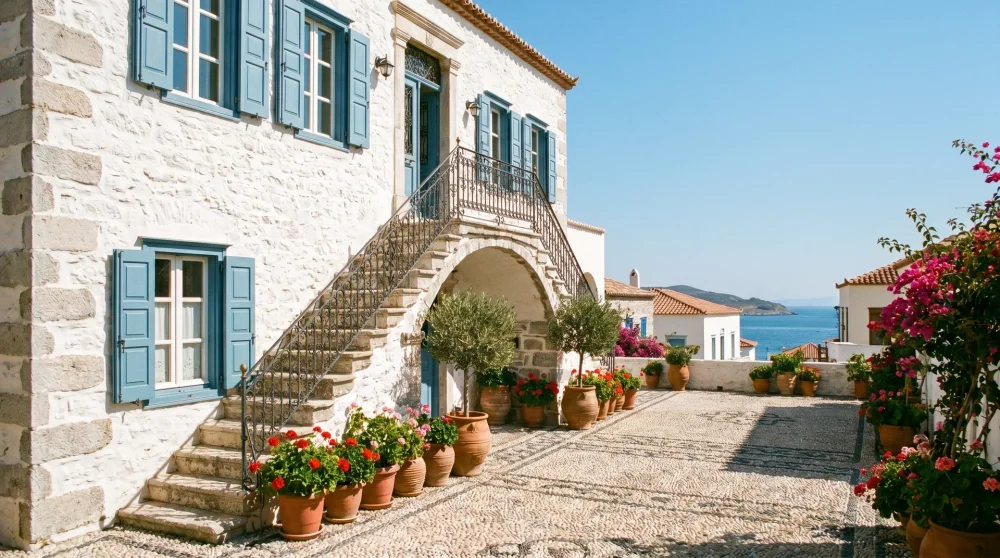
The exhibition covers a carefully curated selection of three to four main rooms on the first floor. The ground floor and upper levels remain private or under renovation. Photography is strictly prohibited inside the exhibition rooms to protect the delicate artifacts and fabrics - you can take photos only in the outdoor Spetsiot pebbled courtyard before or after the tour.
Wait in the courtyard before your scheduled slot. The ticket counter is small, and purchasing admission contributes directly to the ongoing restoration of the 300-year-old building.
A small souvenir shop sits in the courtyard with a curated selection of books, prints, and Spetses-themed items. Prices stay reasonable for a museum gift shop, and several pieces are tied directly to the family's own research and writing on Bouboulina.
The Florentine Ceiling and Grand Salon
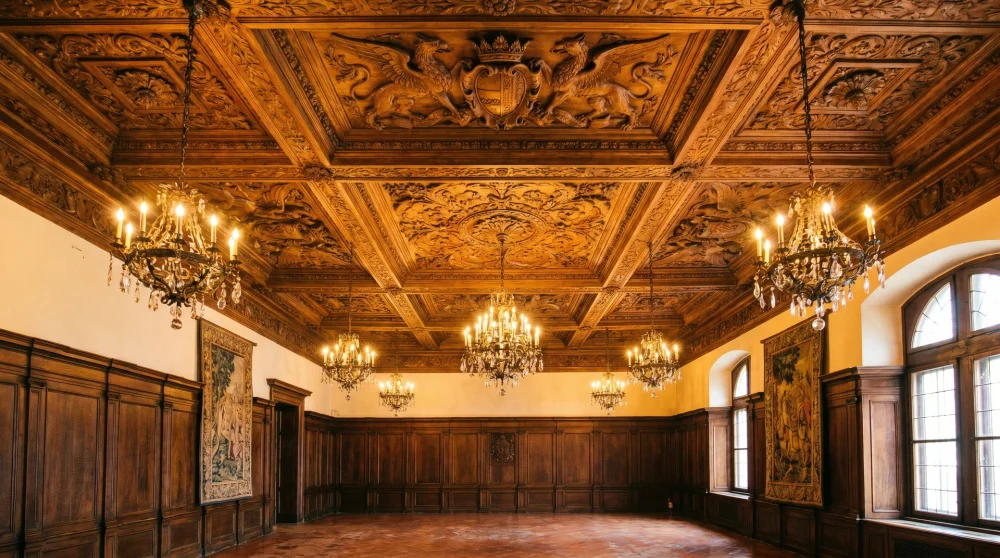
The Grand Salon feels remarkably luxurious for an island dwelling of its era. The lighting is subtle, preserving the delicate historical fabrics and woods. Look up immediately upon entering: the intricately carved Florentine wood ceiling, specially ordered from Venice, dominates the space. It is one of the primary reasons the house was saved from collapse, and it remains the architectural highlight of the visit. The mansion itself is a textbook Spetsiot captain's house, the merchant-naval style that defined the wealthier homes of 18th-century island shipowners. The guides walk through what each room reveals about that architectural tradition.
Weapons and Personal Artifacts
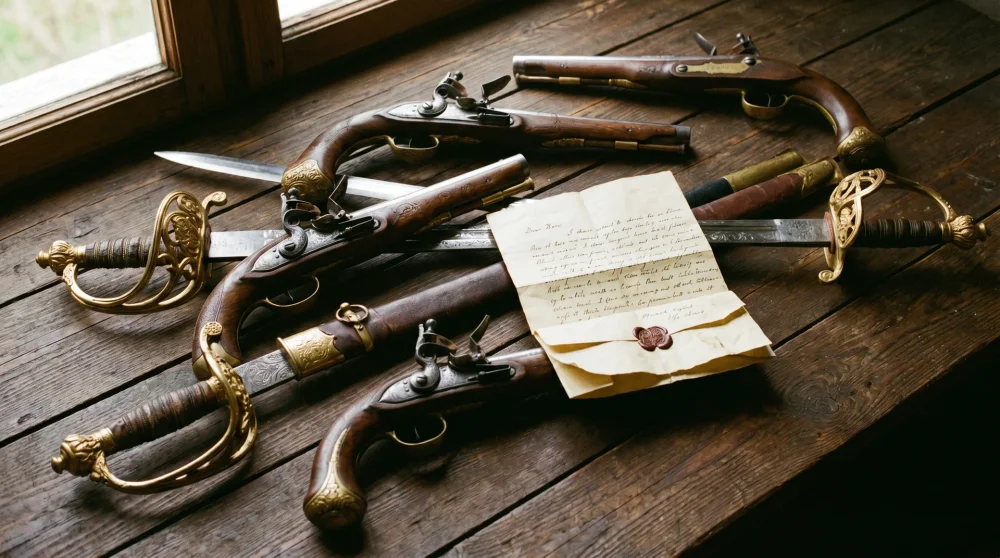
Glass cases line the perimeter of the adjacent rooms. Here you see the scale of Bouboulina's personal arsenal: heavy flintlock pistols, ornate swords, and antique firearms. The collection also features rare books, delicate porcelain, intricate embroidery, and her personal correspondence. Every item is numbered, matching the information sheets you receive at the entrance.
Who Was Laskarina Bouboulina?
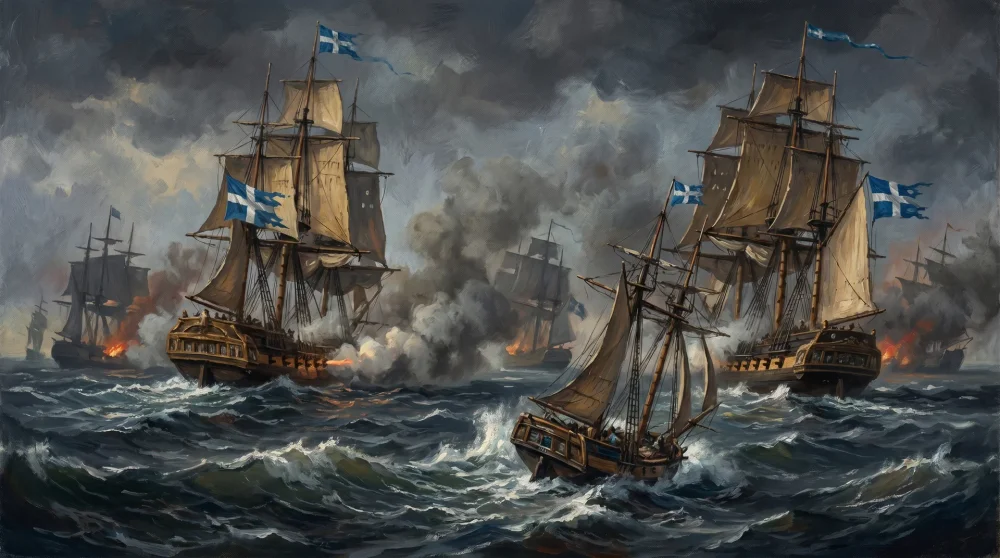
Laskarina Bouboulina was an absolute anomaly of her time. She earned the title of first female admiral in global naval history, utilizing her vast personal trading fortune to build an independent fleet. The recognition was formal as well as historical: Imperial Russia awarded her the rank of Admiral, the first time a foreign power had ever conferred the title on a woman. She commanded her ships during the 1821 Greek War of Independence against the Ottomans, directly funding the Spetses revolt - the same conflict that turned Bekiri's Cave into a refuge for island women and children.
Her death was profoundly tragic. She was not killed on the battlefield by enemy fire, but rather shot on her balcony during a bitter family dispute over an elopement - a detail the guides deliver with raw candor that no display card could replicate.
Is the Bouboulina Museum Worth Visiting?
Spending 40 minutes here provides crucial context for understanding Spetses' proud naval identity, and pairs well with a stroll past the active wooden boatyards in the Old Harbour. It is a compact, highly focused historical experience. If your itinerary involves comparing Hydra and Spetses or exploring historical sites across Greece, this mansion stands out for its deep personal connection to a revolutionary icon - and for the fact that it is still run by her family, who clearly care about getting the story right.
You leave the building with a clear understanding of a woman who defied every convention of the 19th century.