Booking a hotel in Monaco during late May without realizing it aligns with the F1 Grand Prix will leave you trapped in gridlocked streets with premium room rates that spike 3x or more. Timing your trip to this tiny Mediterranean principality requires balancing the severe summer crowd surges against the quiet, but surprisingly chilly, winter months. This guide breaks the year into honest seasonal windows so you can plan around your priorities - not around surprises.
| Season | Average Vibe | Crowd Level | Transportation Ease |
|---|---|---|---|
| Spring (March-May) | Mild, blooming, highly disruptive during F1 | Moderate to Extreme | Trains recommended |
| Summer (June-Aug) | Hot, beach-ready, vibrant nightlife | Very High | Heavy coastal traffic |
| Autumn (Sept-Nov) | Warm seas, pleasant breeze, yacht shows | Moderate | Easy to navigate |
| Winter (Dec-Feb) | Cool, festive, peaceful | Low | Highly accessible |
Spring in Monaco: The F1 Grand Prix Chaos and Logistics
Spring transforms the quiet streets into a massive construction zone for the world's most famous street circuit. If you are not coming specifically for the race, avoid visiting in late May entirely. The metal grandstands block the iconic harbor views, and simply walking from Monte Carlo to La Condamine becomes a maze of detours.
For those visiting in March or April, the experience is entirely different. The weather is crisp, with temperatures ranging from 13°C to 22°C, making it the perfect time to explore the steep pathways leading up to Monaco-Ville without breaking a sweat.
Before you head out on foot, our guide to free things to do in Monaco covers the best no-cost spots - many of which are especially enjoyable during the quieter spring weeks.
Spring packing essentials:
- Light layers: the sun feels warm, but the coastal wind bites as soon as you step into the shade
- Comfortable walking shoes: Monaco is incredibly hilly and you will rely heavily on public elevators and steep stairs
- Windbreaker: essential for evening strolls around Port Hercule
Summer High Season: Beaches and Riviera Heat
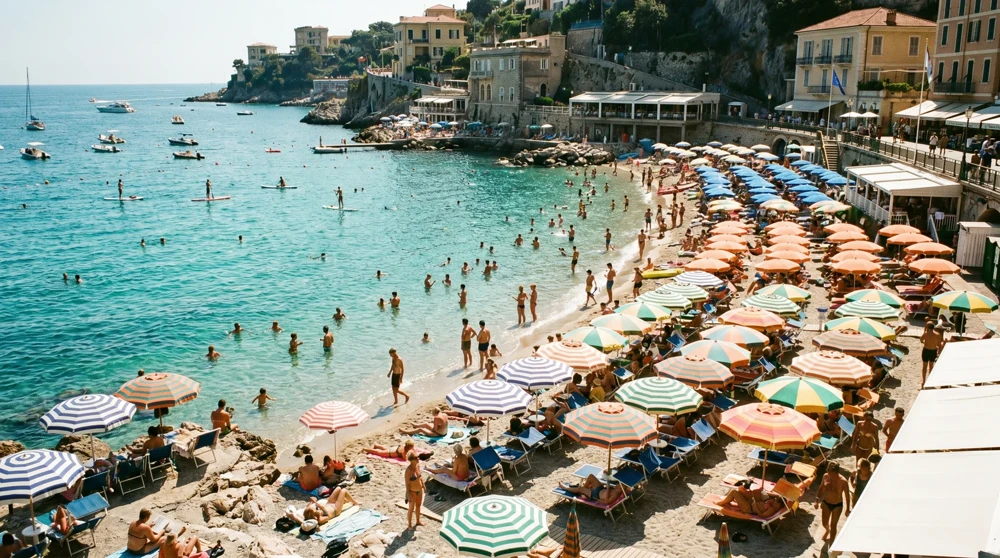
Summer is when the principality operates at maximum capacity. The Mediterranean finally warms up enough for proper swimming, drawing massive crowds to the artificial sands of Larvotto Beach. Finding a spot near the water requires arriving before 9 a.m.
The heat is intense but manageable thanks to the coastal breeze, with temperatures regularly hitting 27°C to 30°C in July and August. However, driving along the French Riviera during these months is a test of patience. The roads connecting Monaco to neighboring Italy and France are constantly jammed.
Beating the crowds at major attractions:
- Visit the Prince's Palace square right at sunrise before the tour buses arrive
- Skip the main casino floor during peak evening hours and explore the surrounding gardens instead
- Rely entirely on the local bus network or walk; renting a car is a liability
When the summer rush finally breaks, the city breathes a collective sigh of relief.
Autumn Mildness: The Sweet Spot for Travelers
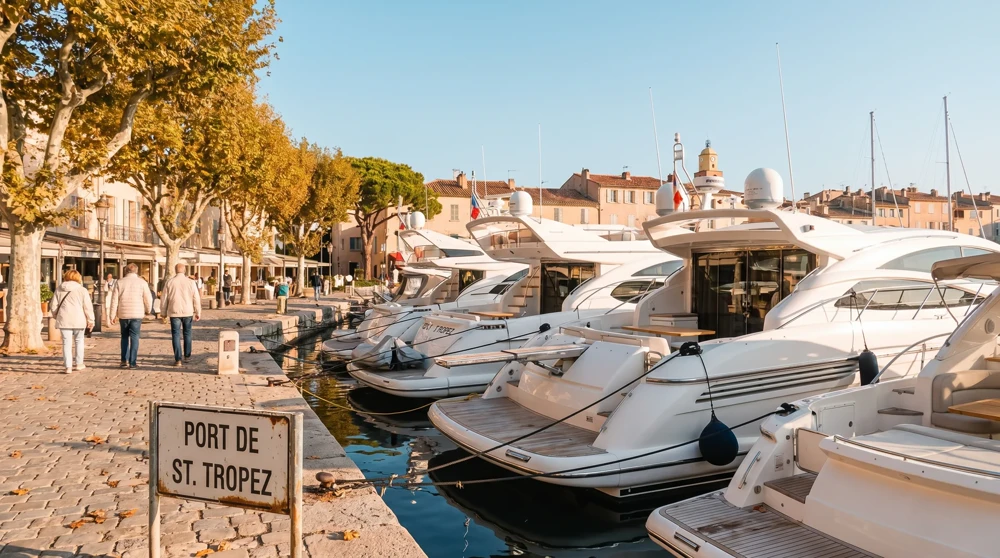
September and October offer the absolute best balance of weather, accessibility, and local energy. The intense summer heat fades into a comfortable warmth - temperatures settle around 20°C to 23°C - yet the sea retains enough heat for late-season swims. The massive tourist groups disappear, leaving the streets much easier to navigate.
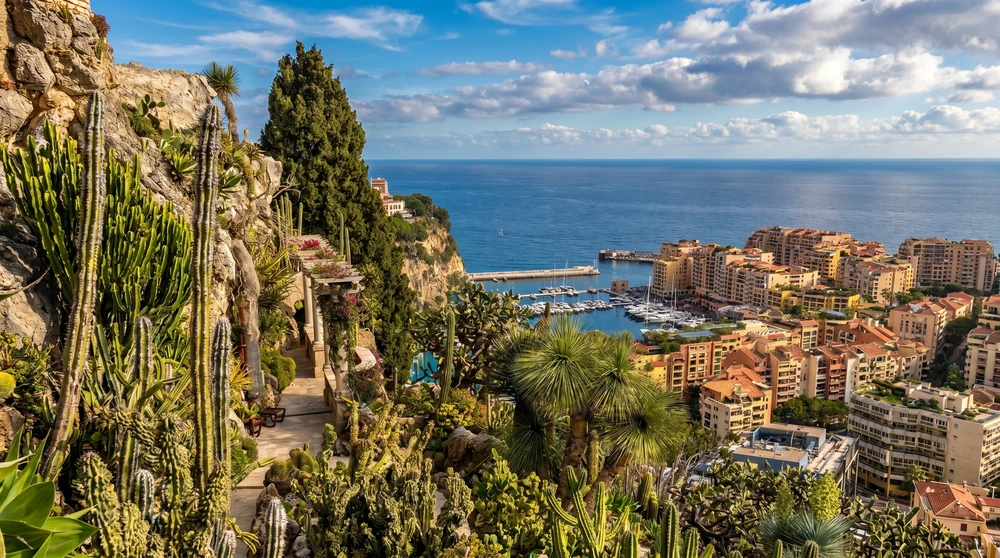
The only major disruption is the Monaco Yacht Show in late September. Port Hercule gets completely closed off to the public, and hotel availability plummets across the region. Simply stick to the upper levels like Monte Carlo or the Exotic Garden area during this specific week.
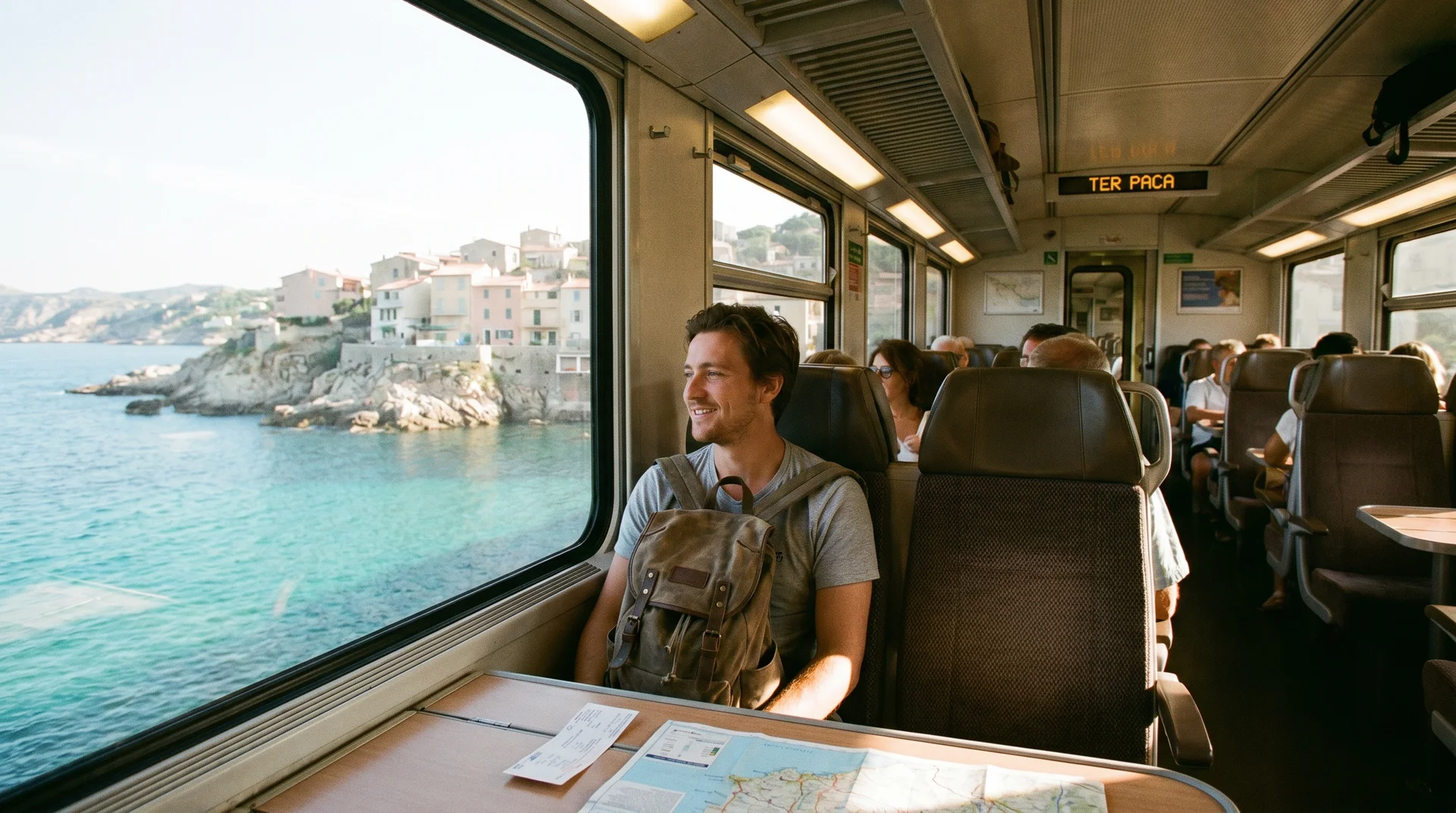
For visitors who want to combine a Monaco day trip with a broader Riviera itinerary, arriving by rail is the practical choice. Our breakdown of getting from Nice to Monaco by train covers schedules and what to expect at both ends.
Winter in the Principality: A Quiet Escape
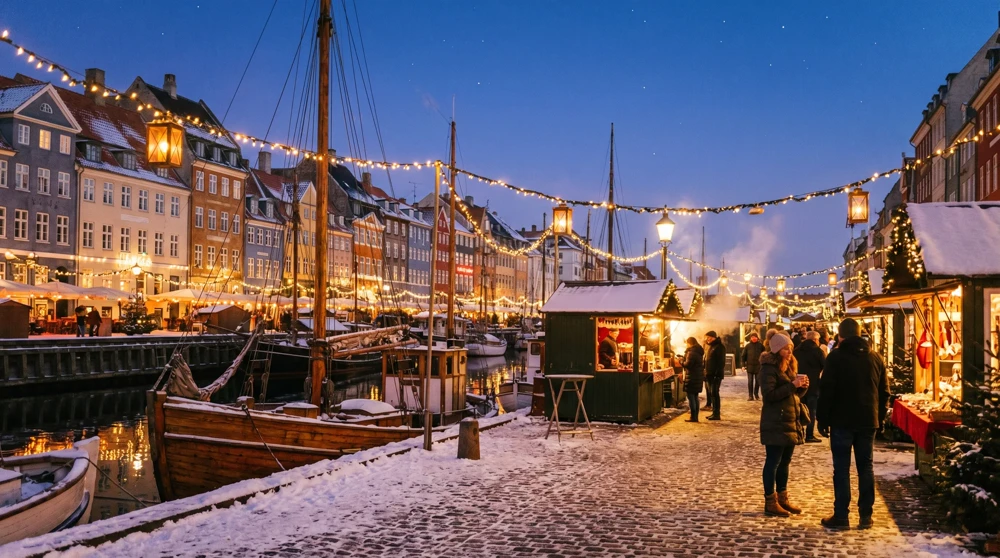
Winter strips away the overwhelming luxury facade and reveals a surprisingly sleepy, local town. The temperatures drop significantly - rarely below 8°C to 12°C - making beach activities impossible, but the sky usually remains crystal clear. It is the perfect atmosphere for museum hopping and long lunches without the noise of supercars revving at every corner.
Winter highlights and indoor activities:
- The Christmas Village at Port Hercule offers a genuinely cozy atmosphere without the overwhelming scale of larger European markets
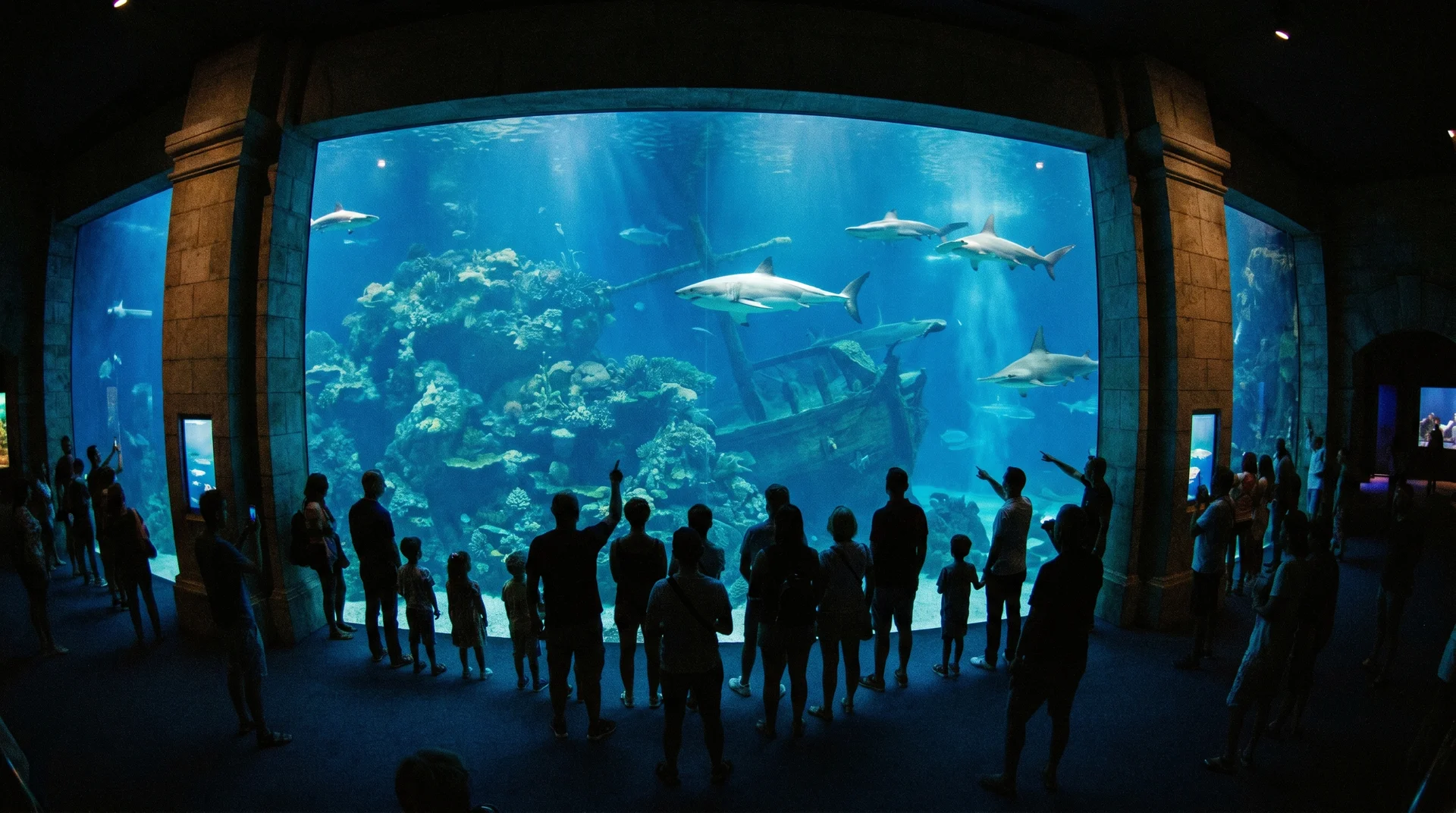
- The Oceanographic Museum is virtually empty in winter, allowing you to appreciate the exhibits in total silence
- Casino Square is heavily decorated in December, providing excellent photography opportunities without dodging crowds
- The International Circus Festival in January and the Monte-Carlo Rally bring a welcome burst of energy during the quieter months
The Final Verdict: When Should You Actually Go?
Your ideal month depends entirely on your tolerance for crowds and your primary goal.
Best month for budget travelers: November stands out as the smartest choice for cost-conscious visitors. The major events are over, the weather is still pleasant enough for outdoor exploration, and accommodation rates drop significantly. You get the authentic Riviera experience without the premium markup.
Best month for luxury and events: September is the ultimate window for the high-end Riviera lifestyle. You can still enjoy the beach clubs, attend elite yachting events, and experience the vibrant nightlife before the seasonal venues shut down for winter.
If you are planning your budget before booking, our Monaco travel costs guide breaks down realistic daily spending across all seasons.