Arriving in Bali on a standard tourist permit and hoping to figure out your remote work legalities later is the fastest route to deportation. The E33G Remote Worker KITAS requires strict compliance and upfront documentation that most agencies fail to explain clearly. Understanding the rigid income rules and the mandatory exit flights saves you from costly rejections.
- Official Name: Remote Worker KITAS (E33G)
- Validity: One full year
- Extension Rule: Requires a physical exit from Indonesia to reapply
- Work Boundary: Strictly for overseas employers and clients
- Local Activity: Zero local income generation allowed
- Tax Status: Triggers worldwide tax liability after half a year of residency
What is the E33G Remote Worker Visa?
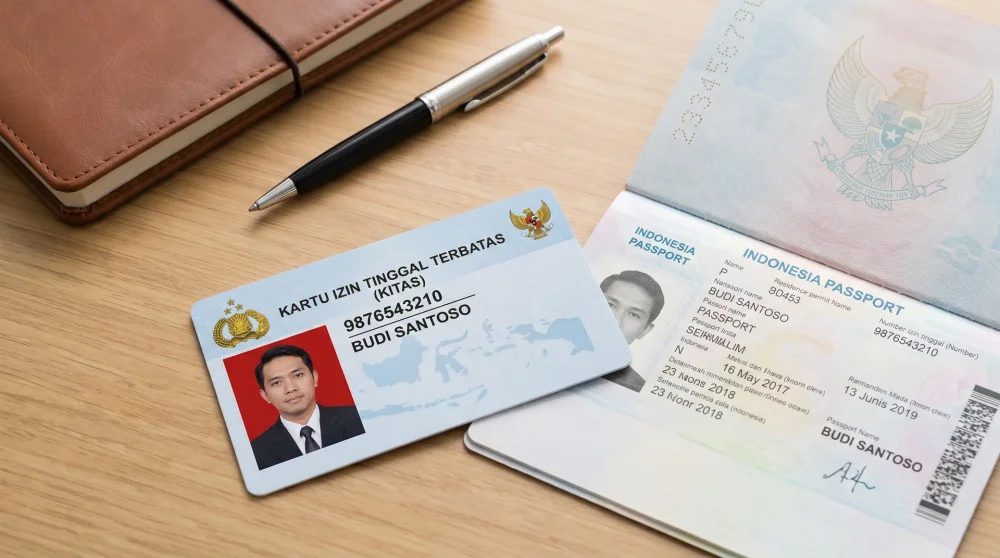
Indonesia designates the E33G as a specialized residence permit for foreign professionals earning their income entirely from abroad. It elevates your status from a short-term visitor to a temporary resident. This permit allows you to open a local bank account, secure long-term villa leases, and live without the constant anxiety of immigration sweeps.
The most critical boundary is the source of your income. You are legally protected to operate your laptop from a cafe in Canggu, but taking on local Indonesian clients or receiving local currency is strictly prohibited. The system is engineered to bring foreign capital into the local economy without taking jobs from citizens.
E33G Visa Eligibility: Do You Actually Qualify?
Many applicants face rejection simply because they misunderstand the rigid criteria. Immigration officers review hard data, not loose promises or informal client letters.
The Income Threshold Explained
The government sets a high annual income baseline - currently around USD 60,000 per year - to ensure remote workers can comfortably support themselves. You must provide consecutive monthly bank statements proving a stable salary deposit. A large lump sum sitting in a savings account does not satisfy this requirement.
Your monthly deposits must perfectly match the salary stated in your employment contract. Any discrepancy between your stated income and your actual bank deposits immediately flags your application for manual review.

The Freelancer Dilemma and the EOR Workaround
The official rules demand an employment contract with a company registered outside Indonesia. This requirement leaves independent freelancers and solo founders highly vulnerable to rejection. Immigration rarely accepts generic service agreements from multiple clients.
Many digital nomads solve this by utilizing an Employer of Record service. These specialized agencies provide the formal sponsorship letter and official contract required to satisfy the bureaucracy. It adds an extra layer of administration but remains the safest legal route for self-employed professionals to meet the corporate criteria.

True Costs of the E33G Visa
Budgeting for this permit involves far more than the official application fee displayed on the government portal. The actual financial commitment spans several logistical hurdles.
The official government fee runs approximately IDR 7,000,000 (roughly USD 430), with an additional mandatory MERP (Multiple Exit Re-Entry Permit) fee of around IDR 2,700,000 (roughly USD 165). Using a licensed visa agent adds a service premium, pushing total costs to USD 600-1,000 or higher for a fully assisted application.
Self-Processing vs. Using a Visa Agent
Navigating the online immigration system independently means paying only the baseline government fees. However, the portal is notoriously unforgiving of uploading errors. A single misplaced document or incorrect photo format sends your application to the back of the queue.
Hiring a licensed visa agent increases your total expense but removes the bureaucratic burden. Agents handle document verification, queue at the immigration office, and expedite the biometrics process. For anyone valuing their time and peace of mind, the premium paid to a local expert is highly logical.
Hidden Costs: MERP and The Renewal Exit Flight
Securing the KITAS is only the first step. To leave and re-enter Indonesia without instantly voiding your new permit, you must purchase a Multiple Exit Re-Entry Permit separately.
Furthermore, the visa cannot be renewed from within the country. Before your time is up, you must apply for an Exit Permit Only, physically leave Indonesia, and submit a completely new application from abroad. Factoring in these mandatory international flights changes the financial reality of holding this permit.
The Tax Trap for Digital Nomads
Spending more than 183 days in Indonesia automatically triggers tax residency. Once you cross this threshold, local authorities have the legal framework to assess your worldwide income.
Immigration data syncs directly with the tax office. There are certain exemptions available for qualifying foreign experts in specific technical fields, but these require formal application and are never granted automatically. Consulting a cross-border tax advisor before crossing the residency mark is the only way to protect your global assets. As of the 2026 rule updates, maintaining clear records of your income sources and fund transactions is considered essential compliance practice.
Step-by-Step E33G Application Process
Proper sequencing prevents delays and costly rejections. Start gathering your paperwork weeks before your intended flight. Processing typically takes 7 to 10 business days after a complete submission, and once approved the electronic visa is valid for entry within 90 days.
Offshore vs. Onshore Applications
Applying offshore means submitting all documents while outside Indonesia, receiving an electronic visa, and converting it to a KITAS upon arrival. This is the cleanest and most straightforward method.

Onshore conversion is possible only if you initially enter on specific long-term visit visas. Attempting to transition from a basic visa-on-arrival is not allowed. Verify your entry permit type with a professional before booking your inbound flight.
Dealing with Kantor Imigrasi Ngurah Rai
This main immigration hub handles the bulk of remote worker permits. The lines are long, the waiting areas are packed, and the document scrutiny is intense.
All employment contracts and degree certificates should be apostilled in your home country prior to arrival. Retroactive certification from the island is a logistical nightmare. Keep physical, certified copies of every single upload, as officers frequently request them during your mandatory biometrics appointment.
If you are planning a longer trip through Southeast Asia before settling, also factor in the cost of long-stay travel insurance - the E33G requires proof of valid health coverage that includes hospitalization and emergency treatment in Indonesia.