Booking an international flight just to find powdery sand drains your travel budget and wastes precious vacation days. The US coastline harbors pure quartz and crushed coral shores that stay cool under the blistering midday sun, eliminating the need for a passport.
- Sand Origins: Appalachian Quartz (Florida, Alabama), Coral and Volcanic (Hawaii)
- Water Temperatures: Gulf Coast remains warm year-round, while Pacific Coast waters require thick wetsuits.
- Peak Crowds: Spring break season and mid-summer bring heavy traffic.
- Accessibility: Most state parks provide ADA-compliant mats and beach wheelchairs upon request.
Florida's Gulf Coast: The Appalachian Quartz Sands
Clearwater Beach, Florida
The sand here consists of nearly pure quartz crystal. It traveled down rivers from the Appalachian Mountains over millions of years. This geological composition means the sand reflects heat, keeping your feet completely comfortable even at high noon.
Parking near Pier 60 fills up entirely before mid-morning. Arrive very early to secure a spot in the municipal lots. The water is consistently calm, creating a massive, shallow wading pool for young swimmers.
Siesta Key Beach, Florida
This wide stretch of coast is heavily trafficked for a good reason. The quartz sand is incredibly fine, feeling almost like powdered sugar underfoot. Traffic over the bridge to the key stalls drastically during afternoon rush hours. Plan your departure well before the sunset crowds arrive or long after they leave. Lifeguard stations operate continuously, adding a solid layer of safety for families facing unpredictable Gulf currents.
Marco Island, Florida
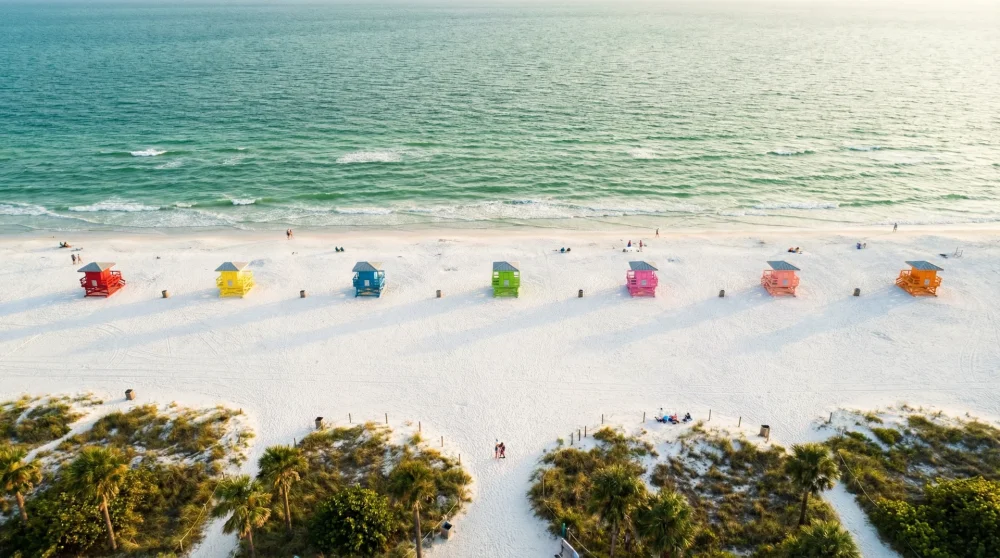
Located on the edge of the Everglades, this island offers a distinctly different coastal ecosystem. The sand mixes with finely crushed shells, giving it a slightly coarser texture. Reaching the pristine outer shoreline of Tigertail Beach requires wading through a shallow lagoon. Pack water shoes to protect your feet from sharp shell fragments along the waterline. The horizon is wide open, the sea breeze constant.
The Hawaiian Islands: Coral and Shell Sands
Manini'owali Beach (Kua Bay), Big Island
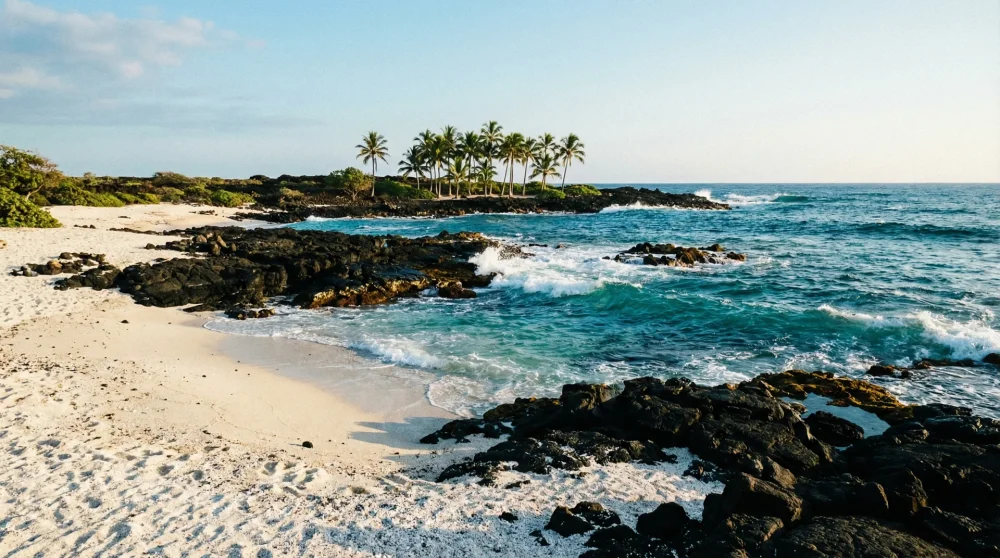
The Big Island is famous for rough black lava rock, making this white sand pocket a true geological rarity. The sand comes from millennia of ocean waves pounding coral reefs into fine dust. There is almost zero natural shade on this beach.
Bring your own reef-safe sunscreen and a sturdy umbrella. The water clarity is unmatched, offering unobstructed views of yellow tangs and sea turtles just steps from the shore.
Lanikai Beach, Oahu
Reaching this residential beach requires navigating narrow neighborhood alleys without dedicated public parking. Street parking rules are strictly enforced, and towing is exceptionally common. Drop your heavy gear off at the access paths and park in the legal zones further back. The Mokulua Islands sit squarely on the horizon, creating a stunning visual anchor. The offshore reef blocks large ocean swells, keeping the surface completely flat for kayaking.
Hidden Gems: White Sands Beyond the Usual Suspects
Orange Beach, Alabama
The Alabama Gulf Coast shares the same quartz deposit as the Florida panhandle but often with a calmer, less commercialized atmosphere. The beach stretches wide, leaving plenty of space between your towel and your neighbor. Strong rip currents do occur frequently along this stretch. Always check the colored warning flags at the access points before stepping into the water.
Carmel Beach, California
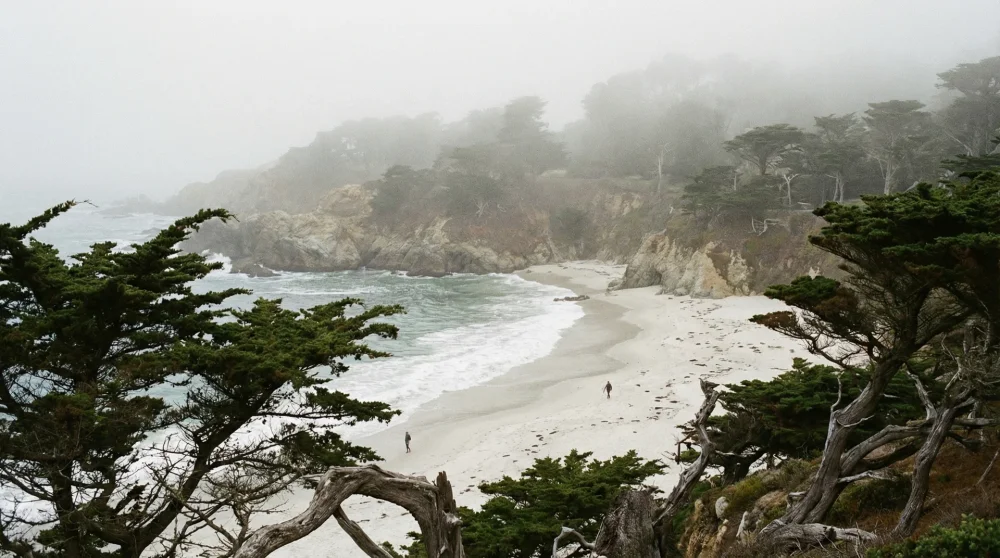
Pacific coast beaches rarely feature pure white sand, making Carmel a striking exception. The water is freezing year-round. You need a highly insulated wetsuit to stay in the ocean for more than a few minutes. The beach is famously dog-friendly, allowing pets to run off-leash along the surf line. The surrounding cypress trees and cliffs provide a dramatic, foggy atmosphere during the early morning hours.
Why Are Some Beaches So White?
Standard yellow sand consists mostly of heavy iron and feldspar. White sand requires a highly specific geological history. On the Gulf Coast, ancient rivers washed pure quartz down from the Appalachian Mountains.
Quartz strongly resists erosion, leaving only the hardest, whitest grains behind on the shore. In Hawaii, the sand is entirely biological. Parrotfish eat algae off coral reefs and excrete the undigested calcium carbonate as fine white sand. This biological process creates a noticeably softer, more powdery texture compared to mainland beaches.