The main hull of the Andrea Gail remains lost at the bottom of the Atlantic Ocean, leaving behind only scattered fragments to tell its final story. Relying on Hollywood dramatizations for facts often leads to confusion about what rescue teams actually discovered during the massive search operation.
- Main Hull Status: Never recovered
- Crew Members: Unrecovered
- Confirmed Debris: EPIRB beacon, fuel drums, empty life raft, flotsam
- Discovery Location: Sable Island coastline
What Actually Washed Ashore: The Sable Island Discoveries
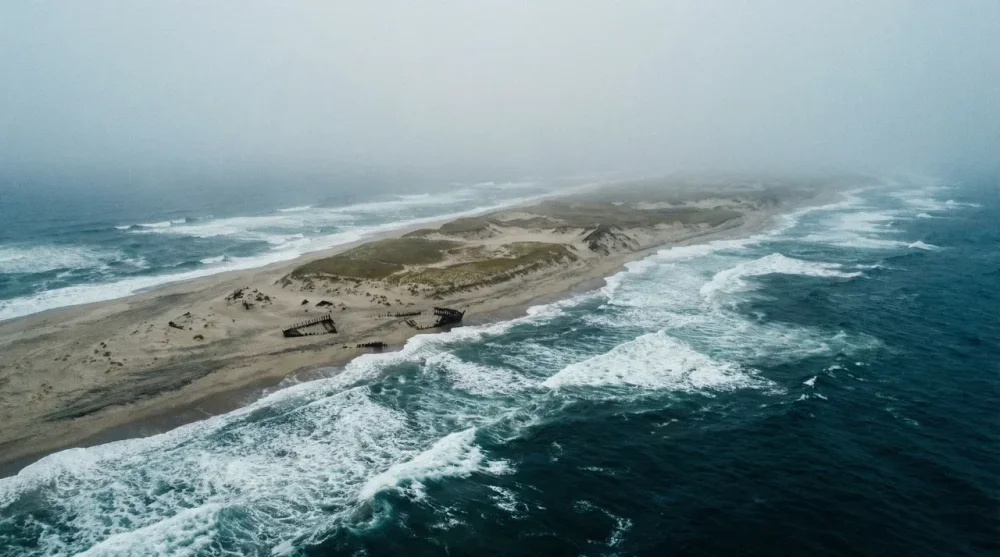
The unforgiving nature of the North Atlantic makes finding a sunken vessel incredibly difficult. The rescue teams never located the intact boat, but the ocean currents eventually surrendered specific pieces of equipment. The wreckage washed ashore on Sable Island, a remote sandbar situated far off the coast. This location aligns directly with the severe weather patterns the vessel faced during its final hours.
The Malfunctioning EPIRB Beacon
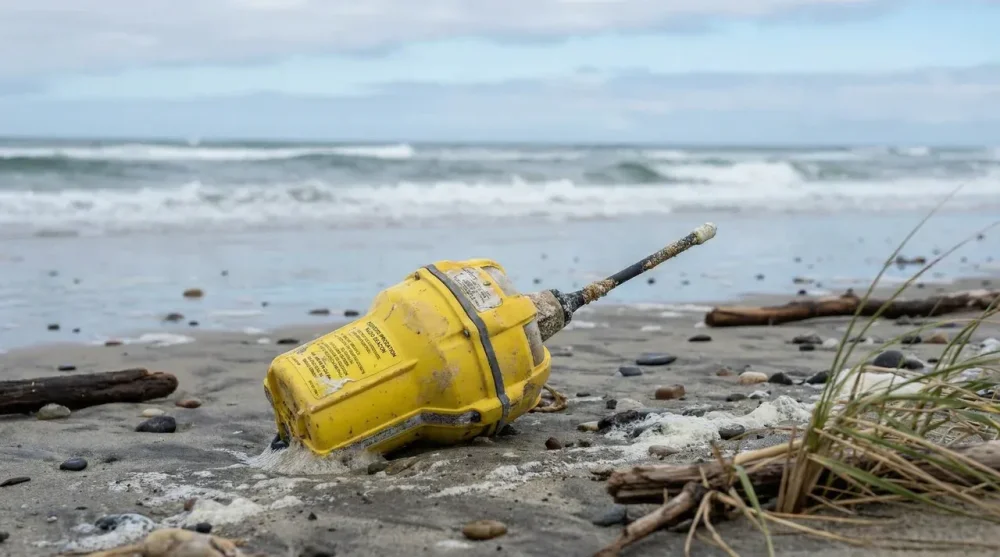
The Emergency Position Indicating Radio Beacon is the most critical survival tool on any commercial fishing boat. Searchers found the Andrea Gail beacon washed up on the shoreline, but it failed to transmit a continuous distress signal when the boat went down. Heavy seas likely ripped the device from its bracket prematurely, or a technical failure prevented the signal from reaching the satellite network. This malfunction is the primary reason the exact sinking location remains a mystery.
Fuel Drums and the Empty Life Raft
Coast Guard teams identified several green fuel drums bearing the distinct markings of the missing vessel. Alongside the barrels, an empty life raft drifted onto the Sable Island beach. The raft showed no signs of human occupation. Surviving a storm of that magnitude in a small rubber raft is virtually impossible, and the uninflated state of the raft suggests the crew had no time to deploy it properly before the catastrophic rollover.
Why the Main Hull Remains Missing
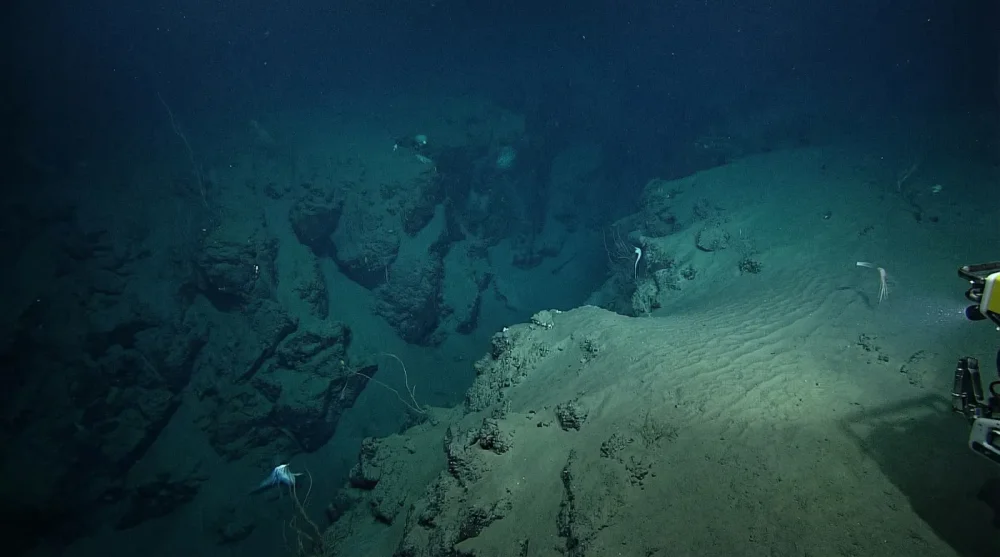
Locating a 72-foot boat in the vast expanse of the Atlantic requires an exact starting coordinate. The convergence of three massive storm systems created unpredictable ocean currents that easily carried debris miles away from the actual sinking site. The ocean floor in that specific region features deep underwater canyons and treacherous terrain. Sonar equipment struggles to differentiate a small wooden and steel hull from the natural geological formations at those extreme depths.
Were Any Crew Members Recovered?
The ocean never returned the six men who fought the storm. You might read various speculations online, but official search records confirm that no bodies were ever recovered. The sheer force of the hurricane-level winds and the freezing water temperatures meant survival outside the hull was impossible. The crew likely remained trapped inside the vessel when a massive rogue wave forced it to capsize and sink rapidly.
The Hannah Boden Connection: Sister Ship Discoveries
The last known radio communication happened between Captain Billy Tyne and Linda Greenlaw, the captain of the sister ship Hannah Boden. The Hannah Boden survived the catastrophic weather event and continued fishing the same waters for years. A beachcomber on an Irish beach eventually discovered a lobster tag belonging to the Hannah Boden. While this tag traveled thousands of miles across the ocean, it highlights how ocean currents transport small items across vast distances, explaining why the Andrea Gail debris ended up on Sable Island.
The Perfect Storm Memorial: Visiting Gloucester, Massachusetts
For those drawn to the story of the Andrea Gail and its crew, Gloucester, Massachusetts remains the definitive destination. The town is the home port where the vessel departed from and where the six crew members' families still live. The Gloucester Fishermen's Memorial, known as the Man at the Wheel statue, stands at the intersection of Western Avenue and Stacy Boulevard, overlooking the harbor. This bronze figure has served as a tribute to all fishermen lost at sea since its dedication, and today it is inextricably linked to the story of the Perfect Storm.
The Cape Ann Museum in Gloucester houses local maritime history and periodically features exhibits related to the fishing industry that defined the region. Walking the waterfront, visiting the monument, and understanding the fishing culture that the Andrea Gail's crew belonged to provides a meaningful connection to the real human story behind the storm. If you are exploring the broader New England coastline, the Museum of Illusions Orlando offers a contrast in how history and experience can be interpreted for modern visitors.
What Sebastian Junger's Book Got Right
Sebastian Junger's account reconstructed the final days of the Andrea Gail with remarkable accuracy given the total absence of survivors. The book correctly identified the debris fields, the last known position from radio contact, and the vessel's route through the storm system. The convergence of a nor'easter, a high-pressure system, and the remnants of Hurricane Grace created the atmospheric conditions that overwhelmed the boat. Junger's research confirmed that the crew had no warning the conditions would intensify so rapidly.
The 2000 film starring George Clooney dramatized elements for narrative effect, but the core facts remain consistent with the factual record. No rescue ever reached the boat, no bodies were recovered, and the hull remains somewhere on the Atlantic seabed to this day.