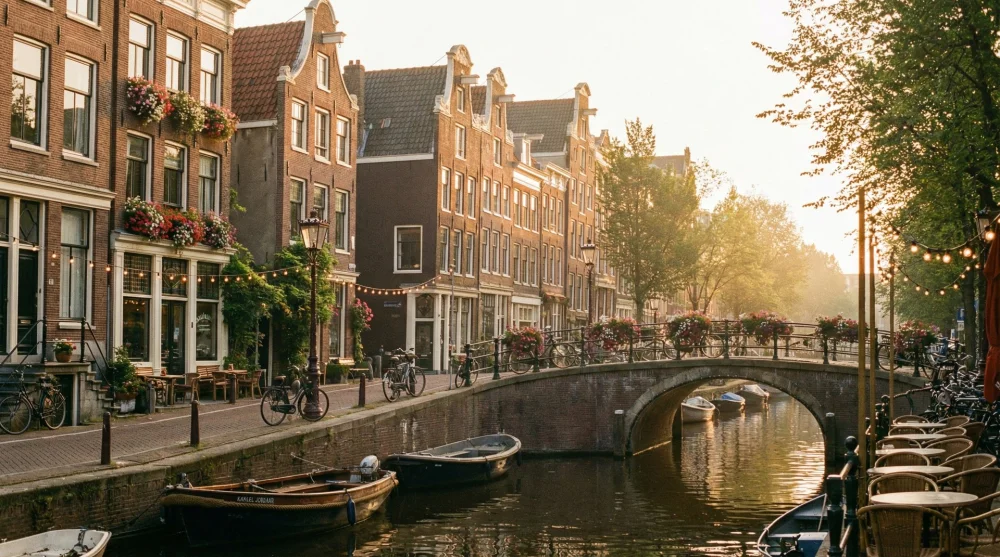
The Netherlands often gets reduced to just Amsterdam in the minds of many travelers. While the capital is undeniably magnetic with its canals and vibrant energy, stopping there means missing the true pulse of this efficient and historic country. You might be planning a trip for the tulips, the art history, or simply the curiosity of seeing a country that lives with water rather than fighting it.
Understanding the difference between Holland and The Netherlands is your first step to looking like a local. Holland actually refers only to two provinces (North and South) along the coast. The rest of the country offers a completely different vibe, from the modern architecture of Rotterdam to the medieval charm of Utrecht. This guide walks you through the logistics, the cultural nuances, and the practical steps to make your Dutch adventure smooth and memorable.
Before You Go: Logistics and Preparation
Preparing for a Dutch trip requires more than just booking a flight. The country is small, but its density means you need a plan to navigate the crowds and the climate.
Entry Requirements and Visas
As a member of the Schengen Area, the Netherlands follows standard European entry rules. If you come from outside the EU, check your specific visa requirements well in advance. Customs at Schiphol Airport are generally efficient, but during peak travel seasons, queues can be long. Having your documents ready and digital copies on your phone speeds up the process significantly.
Best Time to Visit
Timing your visit depends entirely on what you want to experience. If your goal is to see the famous tulip fields, your window is narrow. The flowers usually bloom from mid-April to early May.
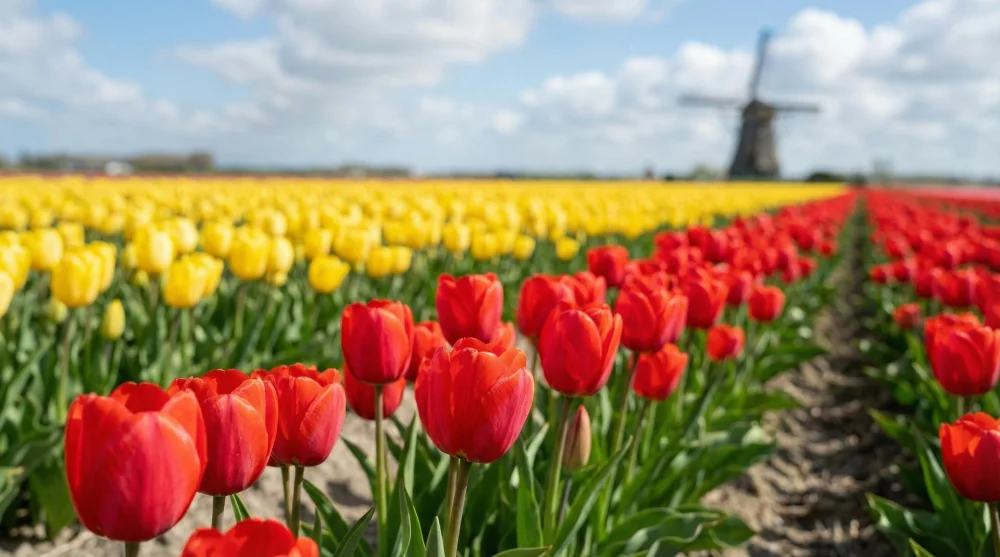
However, this is also the busiest time of year.
For a more relaxed experience, consider late spring or early autumn. The weather is generally mild, and the city centers are slightly less packed. Summer brings long days where the sun sets late, allowing for extended evenings on canal-side terraces. Winter has its own charm, especially with the festive markets, but be prepared for short days and grey skies.
Packing for the Maritime Climate
Dutch weather is notoriously unpredictable. The locals have a word for getting a breath of fresh air in the wind: uitwaaien. You need to dress for it. Forget the umbrella, as strong winds often turn them inside out. Instead, invest in a high-quality, windproof raincoat.
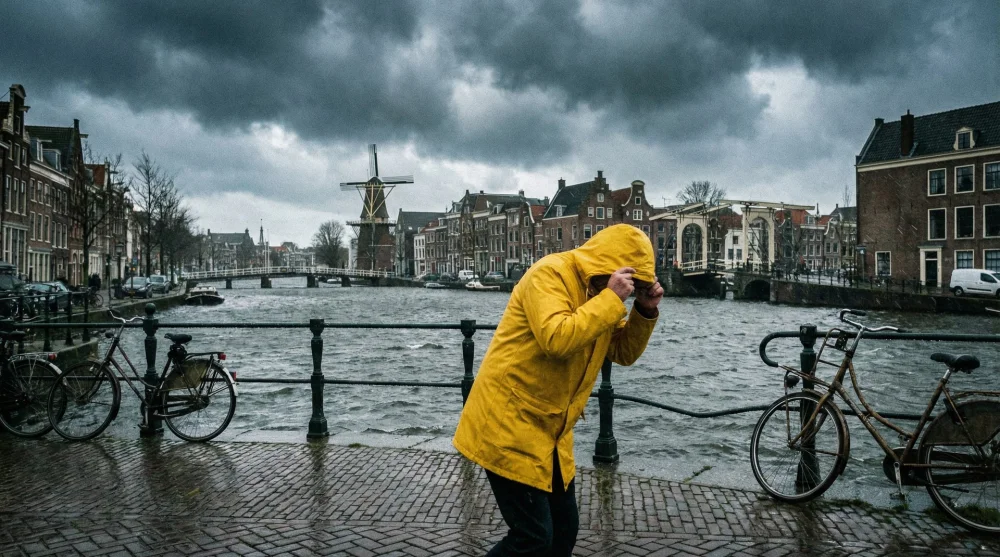
Layering is key here. You might experience bright sunshine and a sudden hailstorm within the same hour. Comfortable, waterproof walking shoes are non-negotiable, as you will be walking on cobblestones and pavement for most of your trip.
Getting Around: Mastering Dutch Transport
One of the greatest advantages of visiting the Netherlands is the world-class public transport system. You can cross the entire country in just a few hours.
Trains and the Payment System
The NS (Dutch Railways) connects almost every town and city. The yellow and blue double-decker trains are clean, punctual, and frequent.
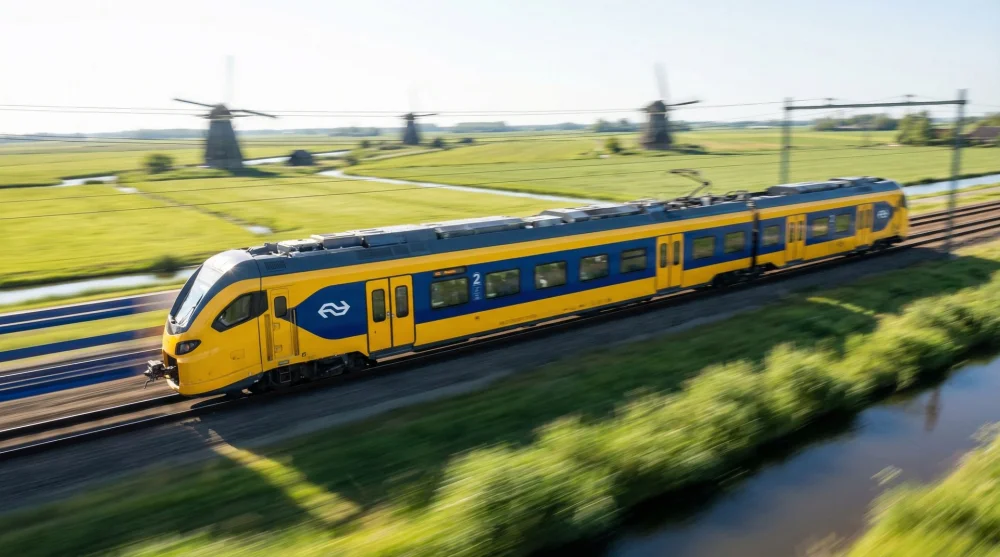
You do not need to buy paper tickets, which often come with a surcharge.
The most convenient way to travel is by using the contactless payment system known as OVpay. You can simply check in and check out at the gates using your contactless debit or credit card, or your smartphone. If you plan to stay longer or travel extensively, looking into temporary discount cards or passes might save you money on intercity trips. Always remember to check out when you leave the train or station to avoid being charged a maximum fare.
Cycling Rules and Safety
Cycling is not just a hobby here; it is the primary mode of transport. However, joining the traffic on two wheels can be intimidating for beginners. Dutch cyclists ride fast and follow unwritten rules.
If you rent a bike, stay in the designated lane and use hand signals. Most importantly, if you are walking, never walk in the bike lane. These lanes are often red-colored and marked with a bike symbol. Stepping into them is a major safety hazard and will likely result in angry bell-ringing or a collision.
Budgeting and Financial Tips
The Netherlands is not a budget destination, but you can manage your expenses with smart planning.
Currency and Cards
The currency is the Euro. While credit cards are widely accepted in hotels and museums, some supermarkets and smaller shops still prefer debit cards (Maestro or V-Pay) over Visa or Mastercard. It is wise to carry a small amount of cash for market stalls or small cafes, though the country is rapidly becoming cashless.
Managing Daily Costs
Accommodation will likely be your biggest expense. Booking months in advance is essential, especially for Amsterdam. Dining out varies from quick snacks at automated walls (FEBO) to high-end dining. To save money, you can grab lunch at local markets or bakeries. Tap water is safe and delicious everywhere, so carrying a reusable bottle saves you money and reduces plastic waste.
Where to Stay: Neighborhoods and Cities
Choosing your base affects your entire experience. While Amsterdam is the popular choice, other cities offer excellent connections and often better value.
Amsterdam Neighborhoods
If you stay in the capital, look beyond the immediate city center. The Jordaan offers picturesque canals and boutique shops but commands higher prices. De Pijp is vibrant, filled with brunch spots and the famous Albert Cuyp Market. For a quieter, more residential feel, Oud-West or Oost are fantastic options that are just a short tram ride away from the main attractions.
Be aware that many traditional Dutch houses have incredibly steep, narrow staircases. If you have mobility issues or heavy luggage, check if your accommodation has an elevator before booking.
Beyond the Capital
Because the train system is so efficient, you can easily stay in Utrecht, Haarlem, or Leiden and still visit Amsterdam for the day. Utrecht offers a similar canal-side atmosphere but with a younger, university-town vibe and unique wharf cellars.
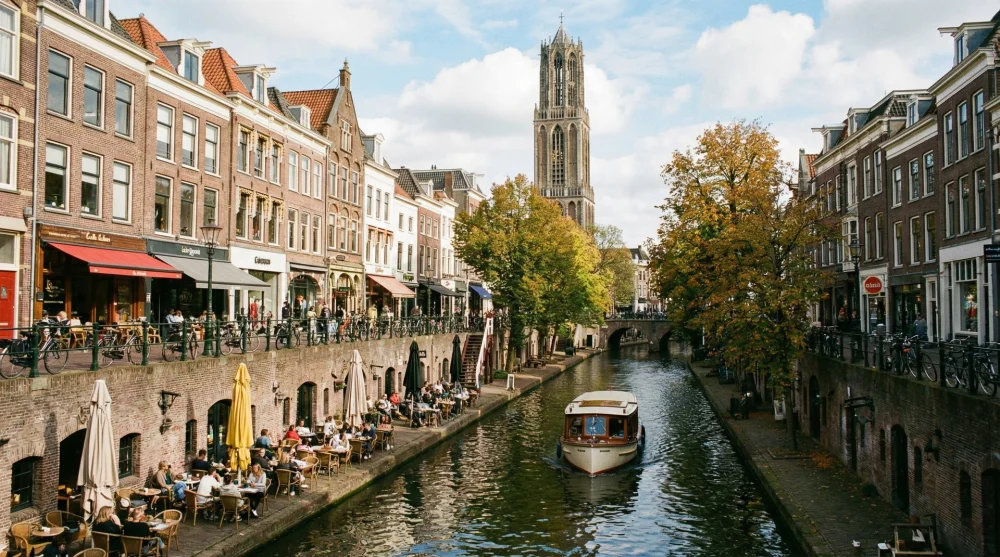
Rotterdam is perfect if you love modern architecture and urban innovation. These cities often provide more spacious accommodation for the same price as a cramped room in Amsterdam.
Cultural Etiquette and Communication
The Dutch are known for their openness and tolerance, but there are cultural norms that visitors should respect.
The Famous Dutch Directness
You might find that locals speak very directly. This is not intended to be rude; it is simply a cultural preference for honesty and efficiency. They value transparency and will give you a straight answer. Do not take it personally. In return, they appreciate it if you are clear and direct in your communication as well.
Language
The language barrier is virtually non-existent for English speakers. The Netherlands ranks consistently high for English proficiency. You can ask anyone for directions or help, and they will likely switch to fluent English immediately. However, learning a few basic words like dankjewel (thank you) or goedemorgen (good morning) is always a polite gesture that locals appreciate.
Unmissable Experiences
Planning your itinerary involves balancing the heavy hitters with local gems.
Museums and History
The Netherlands has a staggering number of museums. The most popular ones, such as the Anne Frank House and the Van Gogh Museum, require tickets to be booked well in advance. Do not expect to show up on the day and get in. For the Anne Frank House, tickets are released weeks ahead and sell out in minutes.
Canals and Nature
Seeing the country from the water gives you a different perspective. A canal boat tour is a classic for a reason. For a more independent experience, you can rent a small electric boat and navigate the canals yourself. If you want to escape the city, the national parks like Hoge Veluwe offer vast heathlands and free white bicycles to explore the nature reserves.
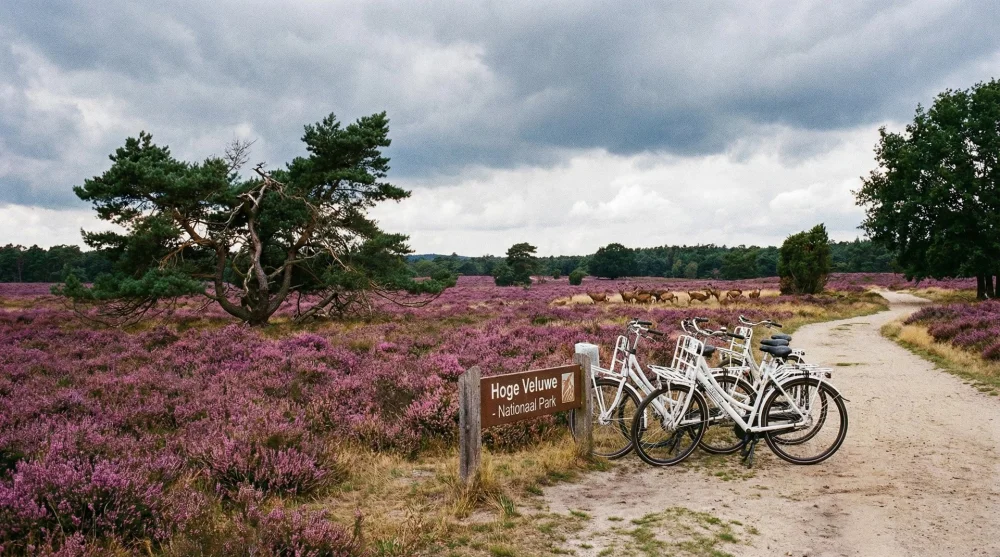
Visiting the Netherlands is about embracing the efficient flow of life here. From the precise train schedules to the dedicated bike lanes, everything has a system. Once you understand these rhythms, you find a country that is welcoming, historically rich, and incredibly easy to navigate.