Welcome to the city of canals. You are probably wondering if your upcoming trip will involve wading through knee-deep water. Let me give you the straightforward facts right away.
- Current Situation: The city is settling into the lagoon mud, but the main threat is the rising sea level.
- Sinking Rate: A few millimeters per year.
- Flood Defense: The MOSE flood barrier system is currently active and successfully blocks major tides.
- Travel Impact: You can visit safely without worrying about catastrophic floods ruining your vacation.
The Short Answer: How Fast Is Venice Actually Sinking?
Walk through St. Mark Square, and the reality of the situation hits you. The pavement feels solid, yet the city fights a constant battle. Venice sinks at a rate of roughly a couple of millimeters per year. This might sound negligible, but every millimeter counts when you are built just above the tide line.
Subsidence vs. Rising Sea Levels
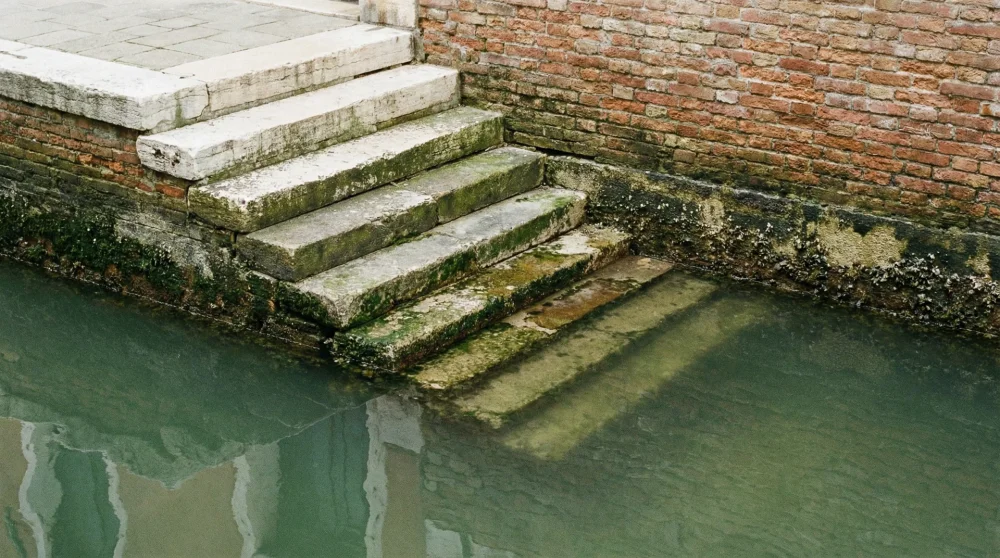
Two main forces push the city closer to the water. First, there is subsidence. The heavy stone palaces and churches rest on wooden pilings driven into soft clay. Over centuries, the sheer weight compresses the soil, pulling the city downward.
Second, global sea levels are rising. The Adriatic Sea pushes higher against the fragile lagoon ecosystem. It is a dual threat. The ground goes down, and the water comes up.

Acqua Alta Explained: Will You Need Rubber Boots?
High water, locally known as acqua alta, is a natural phenomenon driven by tides, winds, and atmospheric pressure. When the Sirocco wind blows hard from the south, it pushes the Adriatic Sea directly into the Venetian Lagoon. Sirens echo across the canals to warn everyone. The atmosphere becomes intense, the sky turns a heavy gray, and the water creeps up from the drains in the squares.
Best and Worst Months for Flooding
You need to plan your trip smartly. The timing changes everything about your experience.
| Season | Flood Risk | What to Expect |
|---|---|---|
| Autumn to Winter | High | Frequent siren warnings, elevated walkways deployed in main squares. Bring or buy waterproof boots. |
| Spring | Moderate | Occasional minor puddles. Regular walking shoes are usually fine. |
| Summer | Low | Dry pavements, sunny skies. Flooding is extremely rare. |
The MOSE Project: How Venice Fights Back Today
Venice is not surrendering to the sea. The MOSE project acts as a massive underwater shield. Yellow steel gates lie flat on the seabed at the three inlets of the lagoon. When a severe high tide threatens the city, compressed air pumps into these gates. They rise to the surface and completely block the sea from entering the lagoon.
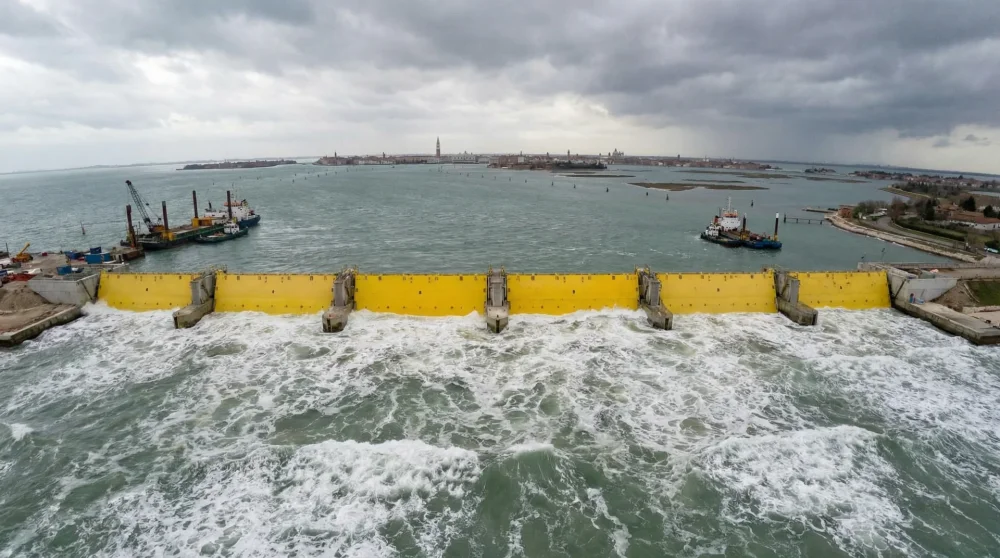
This engineering marvel changed the daily life of locals. Before MOSE, shop owners stacked merchandise on high shelves and hoped for the best. Today, when the alarms sound, the gates go up, and the city remains mostly dry. You get to enjoy your espresso at a cafe instead of sweeping saltwater out of your hotel lobby.
When Is Venice Predicted to Go Underwater?
Scientists constantly model the future of the lagoon. Long-term projections suggest the city could face severe habitability issues in the distant future if sea levels rise dramatically without intervention. However, catastrophic submergence is not an overnight event.
The focus right now is on mitigation and adaptation. The lagoon environment is dynamic, and continuous upgrades to sea defenses buy the city crucial time. You will not see the city vanish beneath the waves anytime soon.
Should the Sinking Stop You From Visiting?
Absolutely not. Do not cancel your plans based on exaggerated headlines. Pack your bags, book your flight, and experience this unique architectural masterpiece.
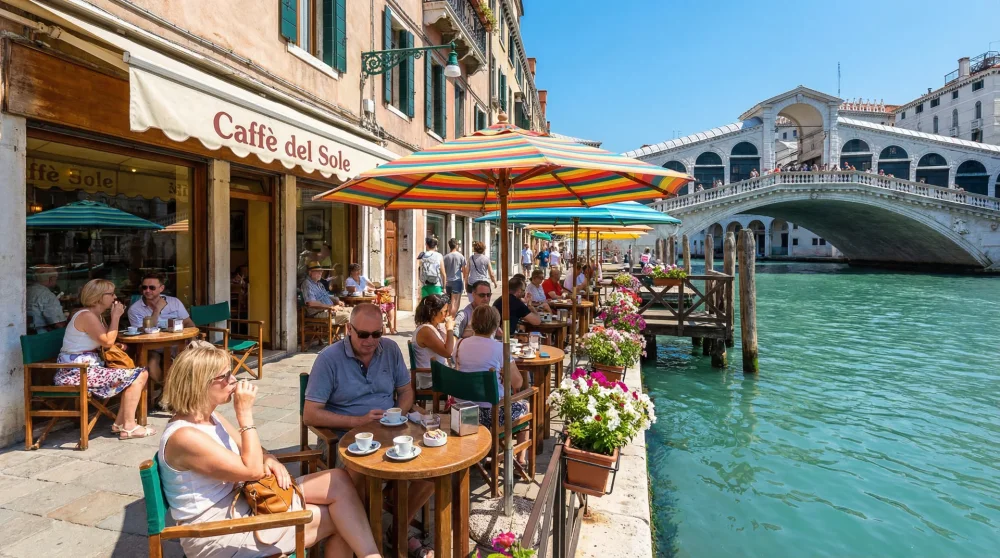
If you travel during the flood season, simply buy a pair of colorful rubber boots from a local vendor. Wading through a shallow puddle in a quiet alleyway is part of the authentic Venetian experience. Stroll down the Grand Canal, take that gondola ride, and support the local economy. The city is very much alive, floating, and waiting for your arrival.