Arriving at a departure gate only to realize you lack the proper identification for a destination you assumed was domestic is a completely avoidable nightmare. Understanding the exact border rules and citizenship nuances of these distant lands saves you time at airport security and prevents costly travel mistakes.
- Total regions: 14 distinct areas
- Populated destinations: 5 (Puerto Rico, U.S. Virgin Islands, Guam, Northern Mariana Islands, American Samoa)
- Unpopulated outposts: 9 Minor Outlying Islands
- Currency: U.S. Dollar (USD) is standard across all locations
- Entry rules: U.S. citizens do not need passports for direct flights from the mainland, with one specific exception
The 5 Inhabited Territories (Status & Travel Rules)
Booking a flight to these destinations feels like international travel, but the administrative reality is quite different. Each region maintains a unique relationship with the federal government.
Puerto Rico
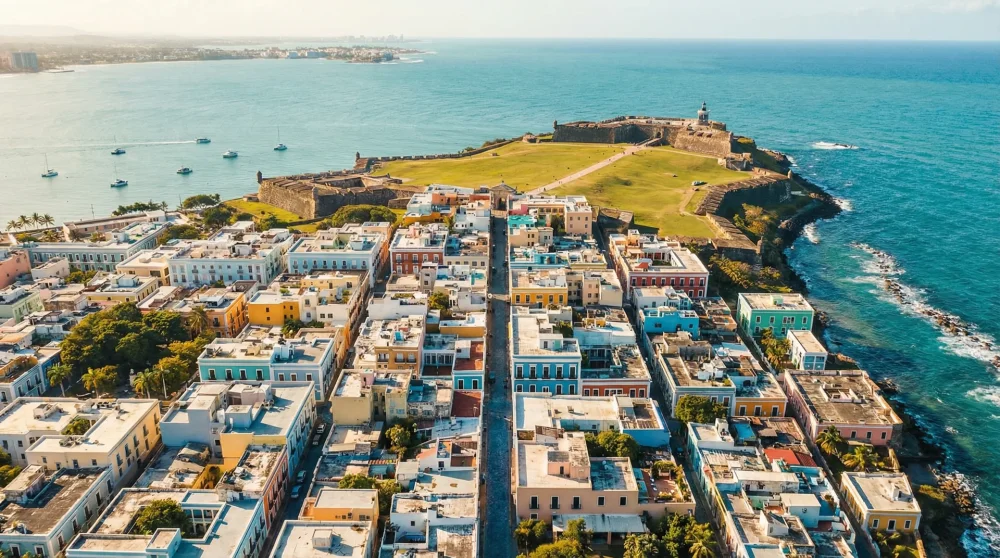
The largest and closest territory offers seamless entry for mainland residents. The culture is vibrant, the official languages are Spanish and English. You can relocate here without dealing with immigration visas or work permits. The flights operate exactly like domestic routes. You simply present your standard driver's license at the security checkpoint and walk to your gate.
U.S. Virgin Islands (USVI)
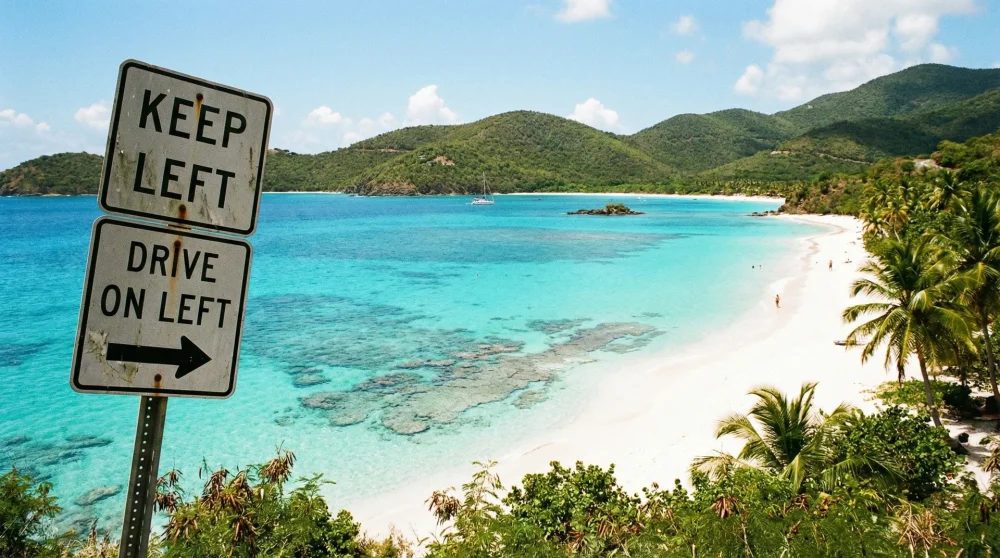
St. Thomas, St. John, and St. Croix make up this Caribbean cluster. The infrastructure heavily caters to tourism and cruise ship arrivals. Driving is strictly on the left side of the road, despite most rental cars having standard left-hand steering wheels. A passport is not required for mainland citizens arriving directly, making it an incredibly popular tropical escape. Keep in mind that returning from the USVI to the mainland requires a brief customs inspection, because the islands are a duty-free zone separate from the standard U.S. customs area.
Guam
Positioned far across the Pacific Ocean, this island serves as a massive strategic hub. The military presence is highly visible, the local Chamorro culture remains strong. Flights here cross the International Date Line. You board your plane on a Tuesday and land on a Thursday, effectively losing a day in transit.
Northern Mariana Islands (CNMI)
Located just north of Guam, this archipelago features steep volcanic peaks and expansive coral reefs. The administrative structure mirrors Guam closely. Residents here hold full citizenship rights. The local economy relies heavily on international tourism, particularly from Asian markets seeking clear waters and dramatic landscapes.
American Samoa (The Non-Citizen Exception)
This destination breaks all the standard territorial rules. Individuals born here are U.S. Nationals, not automatic citizens. They carry American passports but cannot vote in federal elections if they move to the mainland.
You need a valid passport to visit American Samoa, even as an American citizen. A certified U.S. birth certificate is also accepted in lieu of a passport. You must also carry a return or onward ticket out of American Samoa as a condition of entry. The customs and immigration process here operates entirely independently from the mainland system.
Incorporated vs. Unincorporated Status Explained
Legal terminology often creates confusion for travelers and researchers alike. The difference between these labels determines how the federal constitution applies to the local land.
An incorporated territory functions as an integral, permanent part of the country. Currently, Palmyra Atoll is the only landmass holding this specific status.
An unincorporated territory belongs to the country without being a fully integrated part of it. All five populated regions fall into this category. The federal government exercises authority, but full constitutional rights do not automatically apply to the local governments.
The 9 U.S. Minor Outlying Islands
The remaining fragments of American dominion consist of tiny atolls, isolated reefs, and barren rocks scattered across the oceans. These dots on the map are strictly closed to general tourism.
Pacific Ocean locations: Baker Island, Howland Island, Jarvis Island, Johnston Atoll, Kingman Reef, Midway Islands, Palmyra Atoll, Wake Island.
Caribbean Sea locations: Navassa Island, Bajo Nuevo Bank.
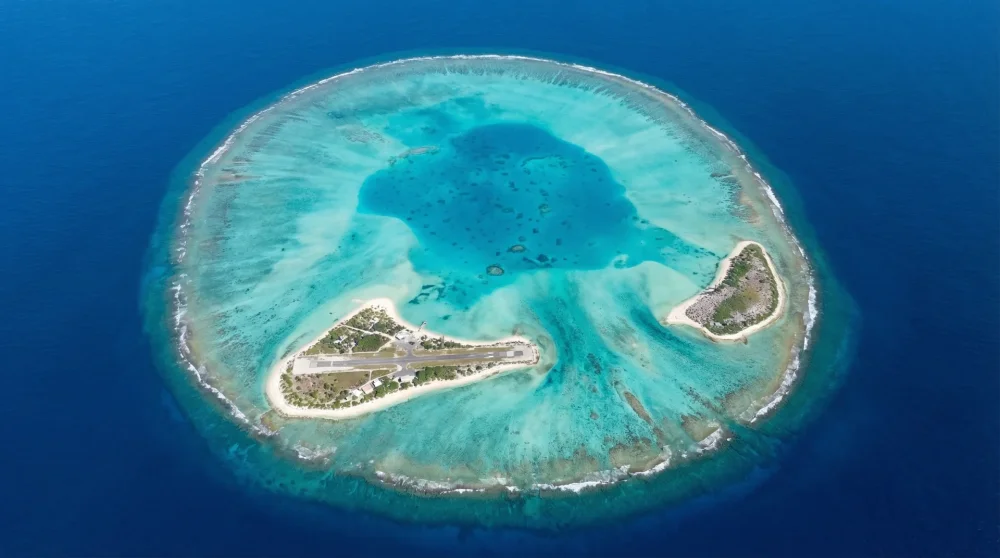
Accessing these areas requires specialized permits, usually granted only for scientific research or military operations. The landscapes are stark, the wildlife abundant. Most of these outposts lack fresh water sources or safe harbors. You cannot simply book a boat and show up at their shores. Midway Atoll, one of the better-known outposts, operates as a National Wildlife Refuge and very limited public access has been granted in recent years only for supervised wildlife tours.