Wandering through the cobblestone streets of Old Riga, you easily lose track of time. The architecture feels like a living museum, but some of the most fascinating spots do not scream for your attention. The Swedish Gate is exactly one of those places.
Many travelers walk right past this simple stone archway without realizing its heavy historical significance. There are no massive information boards explaining its past, so knowing the backstory before you go changes your entire experience.
- Location: Torna Street
- Time Needed: 5 to 10 minutes
- Entry Fee: Free
- Opening Hours: 24/7
What Makes the Swedish Gate Special?
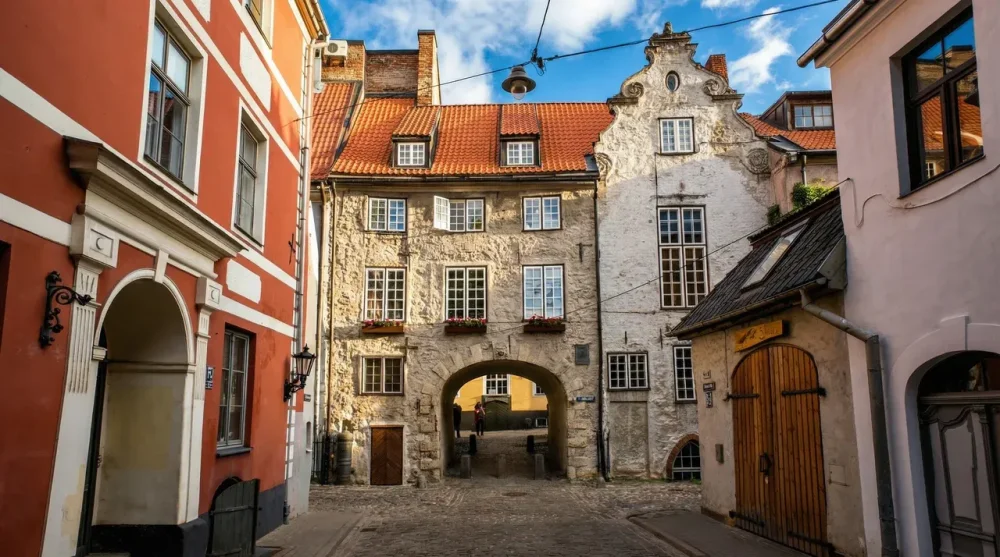
Centuries ago, massive fortification walls protected Riga from invasions, and locals used eight different gates to enter and exit the city. Today, only one of those original medieval entrances remains standing. The Swedish conquerors built this passage directly into an existing residential building to create a quick route between the inner city and the military barracks outside the walls.
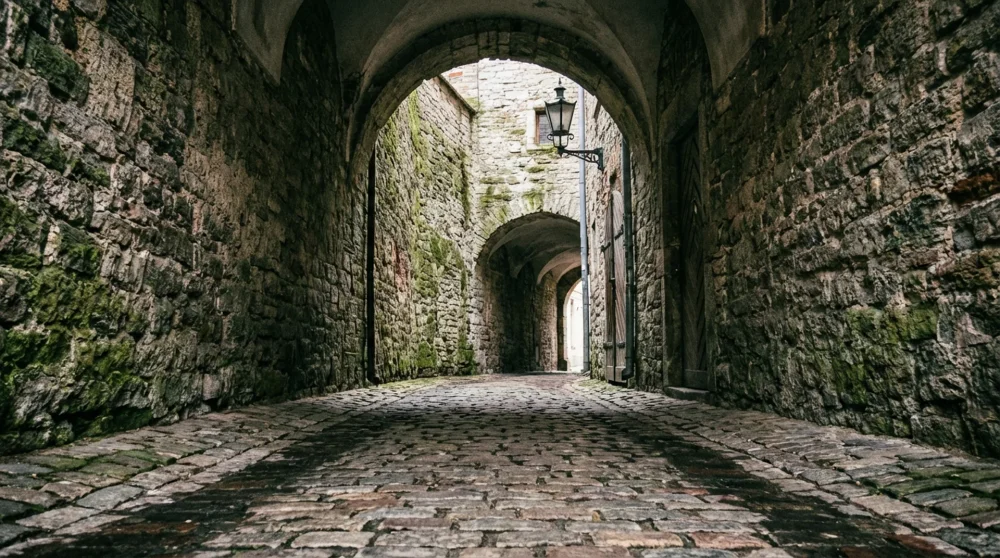
It is a brilliant piece of historical city planning. Instead of tearing down the thick defensive walls, they simply carved a tunnel through them. Walking through this narrow archway gives you a genuine sense of the city's medieval scale. The walls are surprisingly thick, and the cobblestones beneath your feet hold the echoes of countless merchants and soldiers.
The Dark Legends of Zviedru Varti
A simple architectural remnant turns into a fascinating landmark once you learn the local folklore. The gate carries some of the darkest and most romanticized legends in the Baltics.
The Girl Bricked in the Wall
The most famous tale surrounding the gate involves a tragic romance. A local Latvian girl fell deeply in love with a Swedish soldier, but fraternizing with the occupying forces was strictly forbidden. When the townspeople discovered their secret relationship, they decided on a brutal punishment. They bricked the young woman alive into the walls of the gate. Locals swear that if you walk through the passage in absolute silence, you can still hear her faint whispers crying out for her lost love.
The Executioner and the Red Rose
Another chilling story revolves around the apartment situated directly above the archway. This small living space belonged to the city executioner. It was his job to carry out the ultimate punishments for local criminals. Whenever an execution was scheduled, the executioner would place a single red rose on his window ledge early in the morning. This floral warning signaled the entire town that a head was about to roll later that day.
How to Find the Swedish Gate
Finding the gate requires a bit of navigation, as it blends perfectly into the surrounding tenements. Head towards Torna Street, which runs along the remaining sections of the old city wall. If you are starting from Riga Castle, it takes just a short walk towards the quieter, northern edge of the historic center. Look for a modest, red-brick structure featuring a simple archway. The passage is discreet, so keep your eyes peeled on the building facades.
Things to See Around the Gate
Do not just pass through the archway and leave. Once you step to the other side, Trokšnu Iela greets you. This is one of the narrowest and most atmospheric streets in the entire capital, lined with beautifully restored, colorful buildings.
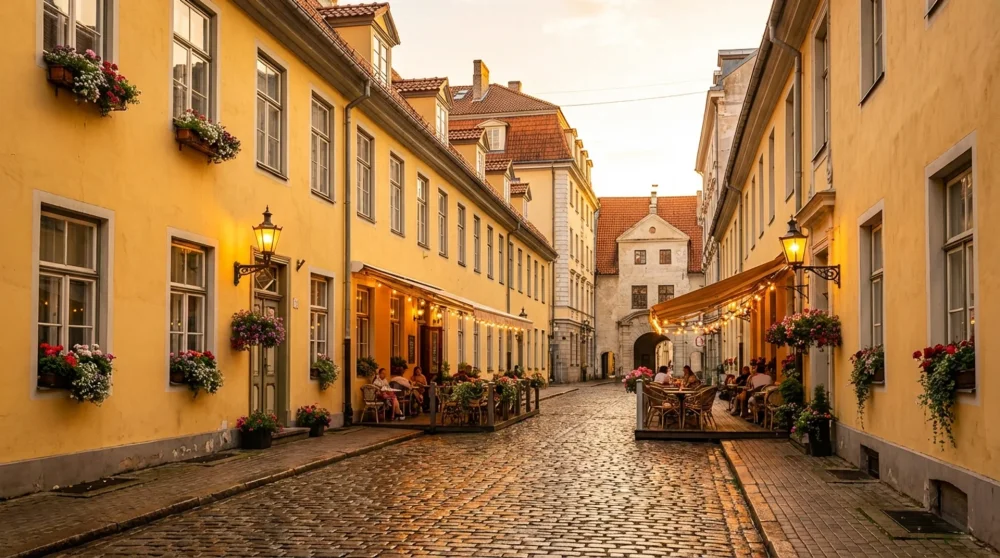
Just a few steps away, you will find the famous Three Brothers, the oldest residential complex in the city. On the outer side of the gate, Jacob's Barracks stretch along the street. These long, yellow buildings now house cozy cafes, local artisan shops, and beauty salons. Stop at one of the small eateries here, grab a bowl of traditional pea soup, and soak in the quiet historical vibe away from the crowded main squares.
Is It Worth Visiting?
If you expect a grandiose, towering monument, the modest size of the gate might underwhelm you. However, the atmosphere and the dark folklore make it a highly recommended stop on your walking route.
| Pros of Visiting | Cons of Visiting |
|---|---|
| Completely free and accessible at all times | The structure is small and exploring takes only a few minutes |
| Immerses you in genuine medieval folklore | Easy to miss without a map |
| Located in a quiet, highly photogenic street | Lacks physical information boards on site |
| Surrounded by excellent local restaurants | Can feel like just a tunnel if you do not know the history |
To get the most out of your visit, go late in the evening. The soft glow of the streetlamps against the old bricks makes the ghost stories feel incredibly real.