Arriving at the park during the midday heat guarantees shoulder-to-shoulder crowds and sluggish reptiles hiding from the sun. Getting there right at the opening time is the only way to catch active wildlife and secure a prime spot for the morning feeding sessions.
Adult Admission: $36.99 Child Admission: $21.99 Opening Hours: 9:00 AM to 5:00 PM daily (extended to 6:00 PM Memorial Day through Labor Day) Discount: 10% military, veteran, senior, and AAA discount available at the gate. Time Needed: 2 to 3 hours for the main park.
Planning Your Visit: Entry Fees and Opening Hours
Navigating the ticket options requires a bit of strategy. The general admission covers all the standard exhibits, live feeding sessions, and educational presentations. Buying a souvenir cup at the snack bar is a highly recommended move. It comes with free soda refills all day long. This saves you a significant amount of money when the Florida humidity hits. If you are planning an extended trip visiting various Florida wildlife parks, this specific facility stands out globally by housing all 24 crocodilian species in one location.
Avoid plastic lids and straws in the animal areas. The staff strictly enforces this rule to protect the animals from accidental ingestion. The park recommends buying food and drinks only from their on-site vendors for the same reason.
The Crocodile Crossing Zip Line: What to Expect
Soaring directly over hundreds of snapping crocodilians offers an adrenaline rush you cannot find in a standard zoo. This zip line course requires a separate ticket and has strict safety limitations.
- Age and Height: Participants must be at least 8 years old and 44 inches tall.
- Sepik River Course: $40 per person, approximately 45 minutes, covering 9 zip lines and 15 obstacles.
- Nile River Course: $70 per person, approximately 90 minutes, covering 15 zip lines and 25 obstacles.
- Footwear requirements: Closed-toe shoes are mandatory for all climbers. Rental shoes are available on-site.
- Advance booking: Reservations are required for Crocodile Crossing. Book online to save $2 per ticket.
Best Things to See at the Alligator Farm
Meeting Maximo The Giant
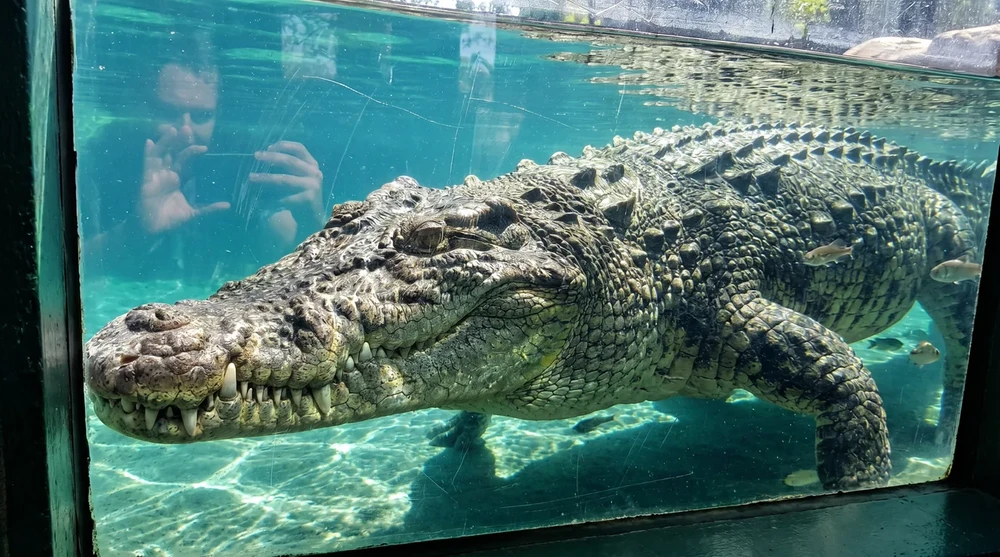
Maximo is an absolute beast. This 15-foot saltwater crocodile weighs over 1,250 pounds and dominates his enclosure. Watching him move underwater through the glass viewing area is fascinating. He is a prime example of why this farm is globally recognized for reptile conservation.
The Native Bird Rookery
The elevated wooden boardwalks lead you straight into a dense canopy filled with nesting birds. Spoonbills, herons, and egrets build their nests mere feet from the path. The atmosphere here is wild and incredibly loud. Peak season runs from February through June, with late April and May offering the best nesting activity.
A quick warning about the summer months. The smell in this specific section gets intensely sharp due to the heat and bird droppings. Watch out for the marked drop zones on the ground to avoid unwanted surprises from the branches above.
Live Feeding Shows and Interaction
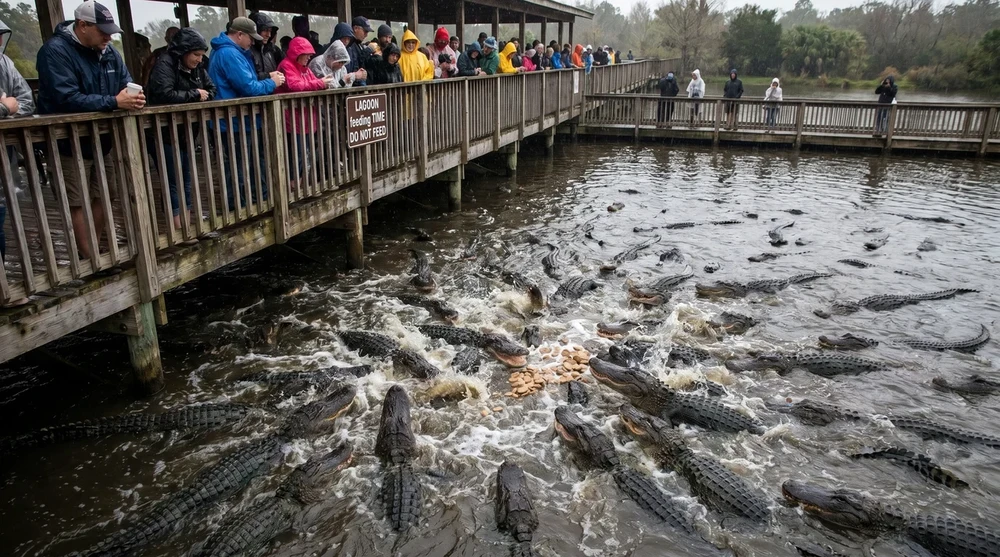
Bring a solid roll of quarters with you. The wooden walkways feature small feeding machines dispensing pellet food for the alligators and ducks below. Throwing a handful of pellets and watching the water erupt with movement is highly entertaining. For the large scale action, check the daily schedule and secure a spot at the main lagoon feeding. Watching massive gators launch themselves out of the water for their meals is a spectacular sight.
Holding a baby alligator during a keeper presentation is one of the most memorable parts of the visit. These brief, scheduled encounters happen throughout the day and are included in standard admission.
Beyond the Gators: Other Wildlife
The park holds far more than crocodilians. Lemurs, Galapagos tortoises, and a diverse range of exotic reptiles from multiple continents fill the surrounding exhibits. The facility is AZA-accredited and participates in species survival programs, which sets it apart from typical roadside attractions. If you enjoy visiting zoos with serious conservation credentials, this place delivers that level of care and animal welfare.
Practical Tips for a Better Experience
Florida heat is relentless, but the park layout provides a massive relief. The majority of the paths sit under a thick canopy of old oak trees. The shade is abundant, making the afternoon walk much more tolerable. Bring a hat, sunglasses, and sunscreen regardless.
The entire facility features wide, smooth wooden decking. Navigating with a stroller or a wheelchair is effortless here. Wheelchair admission is priced separately at $18.49 for adults and $10.99 for children.
If you are combining this stop with other Florida coastal destinations, the farm sits at 999 Anastasia Blvd in St. Augustine, making it easy to pair with a beach day. Visitors heading further south along the coast often connect this stop with Hollywood Beach or trips departing from Florida toward the Bahamas by ferry. For a quieter Florida nature experience, Caladesi Island State Park makes a strong contrast to the action-packed setting here.