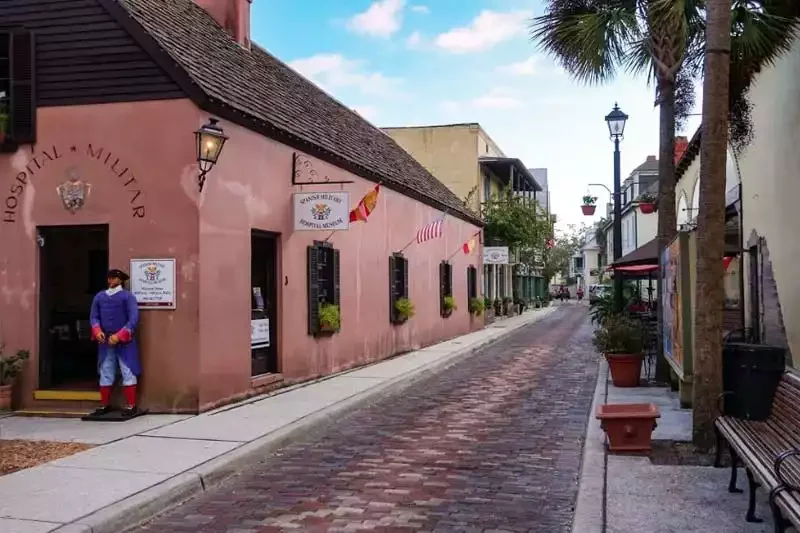
Most visitors to St. Augustine walk right past the narrow door on Aviles Street without a second glance. Behind it sits one of the oldest streets in the continental United States and one of the city's most underrated stops: the Spanish Military Hospital Museum, a hands-on window into 18th-century colonial medicine that manages to be equal parts eerie and fascinating.
- Location: 3 Aviles Street, St. Augustine, FL 32084
- Tour duration: 45 minutes, fully guided
- Hours: 9:00 AM to 5:00 PM daily (closed Thanksgiving and Christmas)
- Adult ticket: $17.95 | Senior (60+): $15.95 | Child (6-12): $7.95
- Promo code booknow saves $1.00 on adult tickets when you book online
- Children under 5 enter free; pets on a leash are welcome
What to Expect on the 45-Minute Tour
The moment you step inside, the air shifts. Cooler, with a faint herbal scent drifting from the apothecary garden out back. The wooden floors creak, the antique surgical instruments are cold and heavy to look at. This is not a typical "walk past the display case" museum. Every visit is a fully guided, interpreter-led experience that takes you through the Second Spanish Period of Florida, when licensed Spanish physicians ran this hospital treating soldiers and colonists alike.
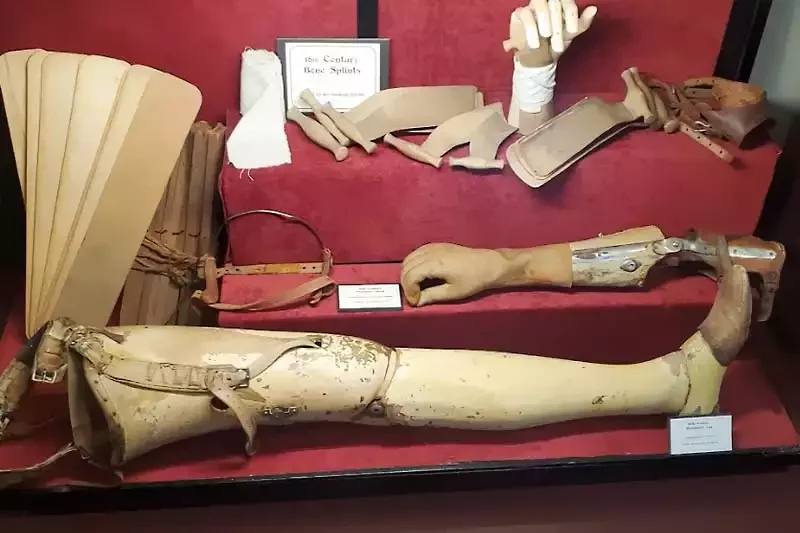
Your guide walks you room by room, demonstrating the tools and techniques of the era with a level of detail that catches most visitors off guard. The demonstrations are the real draw here, not static exhibits.
The 18th-Century Surgical Theater
The reconstruction of the surgical theater is the centerpiece of the tour. Dim lighting, period-accurate tools laid out on the table, and an interpreter who clearly knows their history. You see exactly how surgeons of the late 1700s approached everything from amputations to wound care, long before anesthesia or antiseptics existed. It is not graphic in a sensationalist way, but the guides can tone it up or down depending on the audience, which is especially useful for school groups.
The Apothecary and Colonial Herb Garden
Behind the main rooms sits the colonial garden, compact and well-organized. The medicinal herbs grown here were the pharmacy of their day. Guides explain how apothecaries used these plants for treatments that, in some cases, evolved into medicines still used today. It is a quieter moment in the tour and a useful contrast to the surgical drama indoors.
2026 Admission Prices
| Category | Price |
|---|---|
| Adult | $17.95 |
| Senior (60+) | $15.95 |
| Child (6-12) | $7.95 |
| Children under 5 | Free |
Military personnel and St. Johns County residents qualify for additional discounts at the door. Groups of 15 or more can arrange reduced rates by contacting the museum at (904) 342-7730 or info@smhmuseum.com.

Book online with the promo code booknow to save $1.00 on each adult ticket. The museum does not appear to be included in any major St. Augustine multi-attraction pass, so individual tickets are the standard route.
Is the Museum Worth It for Kids?
Short answer: it depends on the child. The tour is entirely lecture and demonstration-based, not interactive in the hands-on sense. Curious kids who like history tend to leave genuinely impressed. The surgical content can be unsettling for sensitive children, though guides consistently adjust their delivery based on the group in front of them. The discounted child ticket at $7.95 keeps it a reasonable family outing.
Is the Museum Pet-Friendly?
This is one of the few indoor historic attractions in St. Augustine where well-behaved pets on a leash are welcome for the full duration of the tour. Keep your dog comfortable with indoor group settings before you bring them along.
Practical Visitor Tips
Parking: Aviles Street itself is narrow and pedestrian-heavy. Do not try to park directly in front of the museum. The Historic Downtown Parking Garage is the most reliable option, with a short walk through the historic district to reach the entrance. Metered street spots exist nearby but fill quickly after 9:00 AM, particularly on weekends.
Wheelchair access: The building has minimal steps at the entrance, which can make wheelchair access difficult. Contact the museum in advance at (904) 342-7730 to discuss specific needs before your visit.
When to go: Weekday mornings before 11:00 AM are noticeably quieter. The museum is small enough that timing matters, since tour groups can make the rooms feel cramped.
Tour quality: The experience varies with the guide. Most visitors report the guides as the highlight of their visit. If your first impression is a slow start, give it ten minutes. The demonstrations pick up quickly.
What to See Nearby
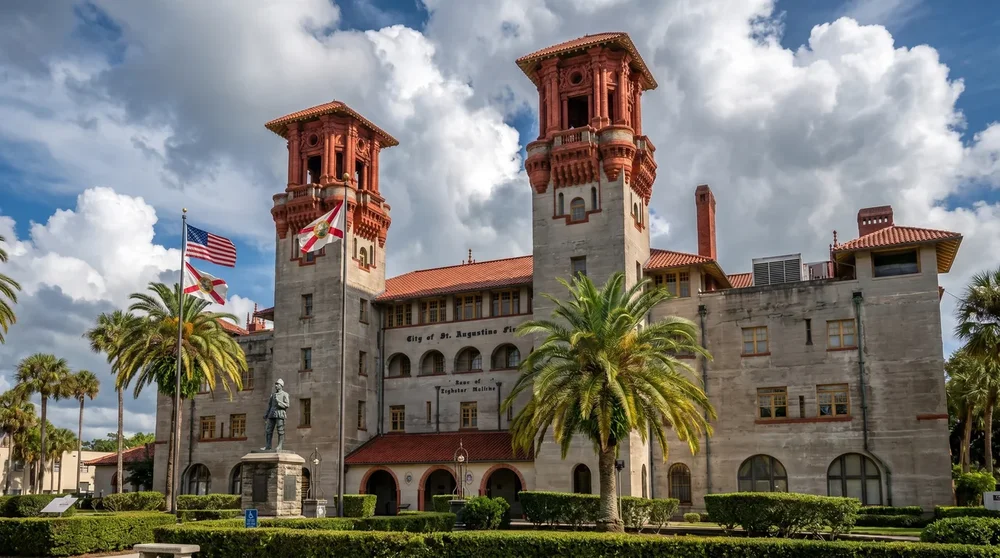
The museum sits in the heart of the historic district, within easy walking distance of several other worthwhile stops. The Castillo de San Marcos, a 17th-century coquina fortress that survived every military assault it ever faced, is a ten-minute walk north. Flagler College, built in 1888 as a luxury hotel, offers free exterior views and occasionally tours of the interior courtyard. The Cathedral Basilica of St. Augustine, the oldest Catholic parish in the country, is right on Cathedral Place and takes under 20 minutes to explore.
If colonial medicine sparked your curiosity about the broader history of the district, the Ximenez-Fatio House Museum on Aviles Street itself is another well-preserved Second Spanish Period building worth a look.
For a different kind of museum experience in the United States, the Houston Museum of Natural Science is one of the country's most expansive natural history collections and worth knowing about if your travels take you further south.