Planning a trip to the Big Island of Hawaii means you’re likely mapping out stops between Kona and Hawaiʻi Volcanoes National Park. If there is one place you absolutely must include on your itinerary, it’s Punaluʻu Black Sand Beach.
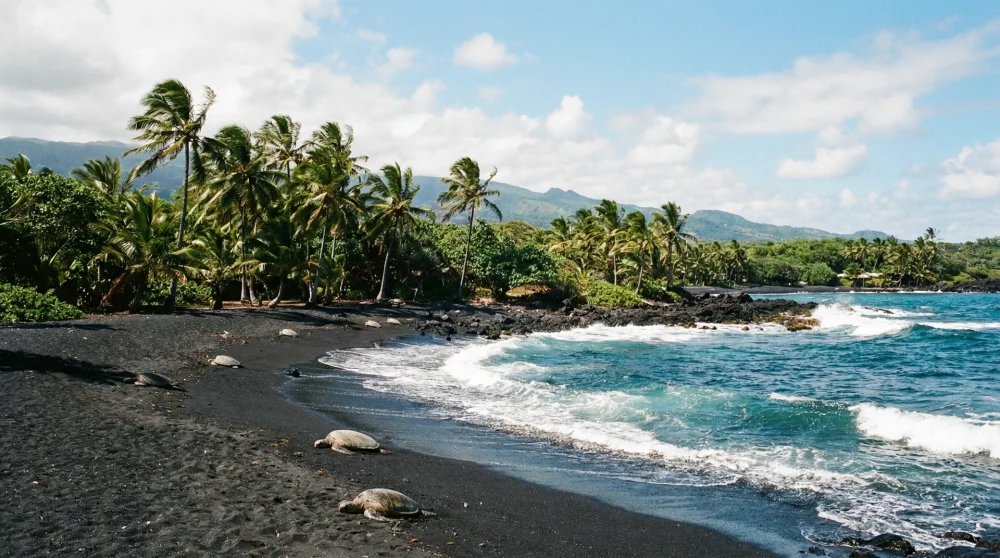
This isn't your typical white-sand tropical paradise. Instead, it’s a striking, otherworldly shoreline where jet-black volcanic sand meets deep blue ocean waters and vibrant green palm trees.
The stark contrast of colors alone makes it a photographer's dream. Beyond its unique beauty, Punaluʻu is famous for being one of the best and most accessible places on the island to see Hawaiian green sea turtles basking in the sun. Whether you are looking to dip your toes in the volcanic sand, capture stunning photos, or just relax under a palm tree, knowing what to expect will help you make the most of your visit. Let's dive into everything you need to know about experiencing Punaluʻu Black Sand Beach.
What Makes the Sand Black?
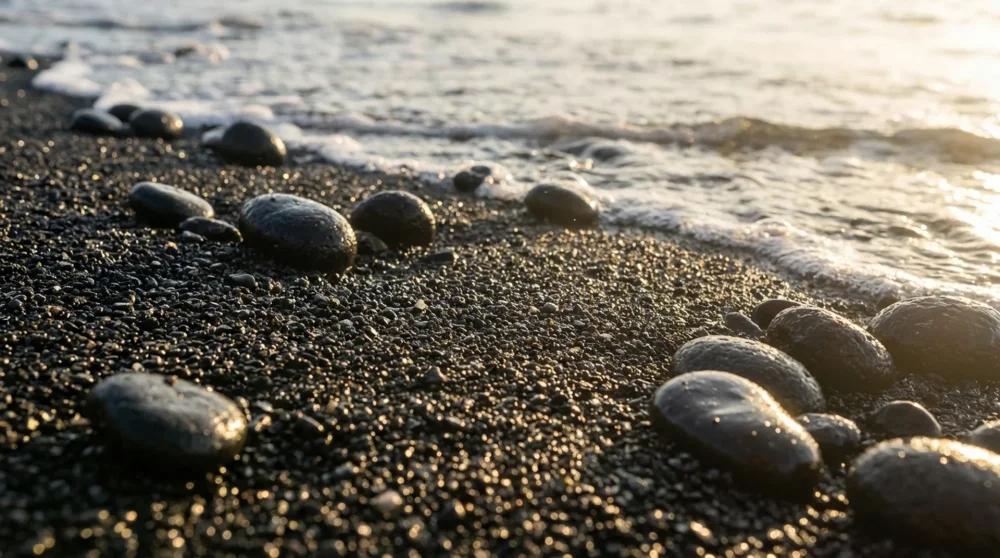
When you first step onto Punaluʻu Beach, the texture of the sand might surprise you. It isn't powdery soft. Instead, it’s made up of tiny, coarse fragments of basalt. This unique sand is formed when extremely hot lava from the island's active volcanoes flows directly into the cold ocean water. The rapid cooling causes the lava to shatter into tiny, dark shards, which are then smoothed by the crashing waves over time.
Because the sand is dark, it absorbs the Hawaiian sun's heat quickly. It can get incredibly hot on your feet by midday, so bringing a pair of sandals or water shoes is highly recommended. The way the black sand sparkles in the sunlight, almost like it holds tiny diamonds, is something you have to see in person to truly appreciate.
Swimming and Snorkeling Conditions
While Punaluʻu is breathtaking to look at, it’s not always the best beach for a casual swim. The ocean currents here can be powerful, and the surf is often rough. The water near the shore is quite rocky, which can make wading difficult, especially for children.
If you do decide to get in the water, you'll likely notice that it feels surprisingly cold. This is because there are freshwater springs bubbling up from underneath the ocean floor, mixing with the saltwater.
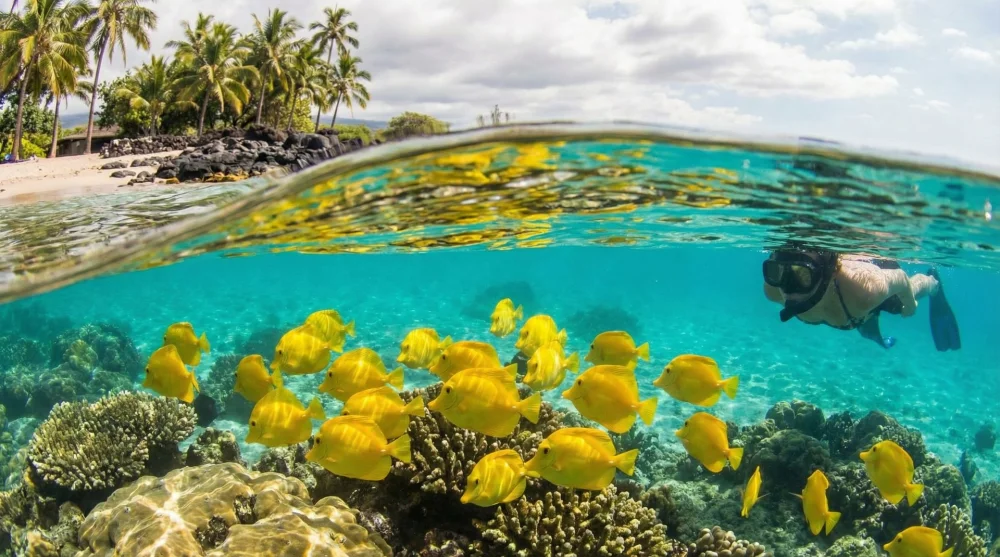
There are lifeguards on duty, and they often buoy off specific areas that are safer for swimming. Always pay attention to their warnings and observe the ocean conditions before getting in. As for snorkeling, visibility is often murky due to the crashing waves churning up the dark sand and organic matter. While some people do snorkel here, there are far better spots on the Big Island for underwater visibility.
Spotting the Hawaiian Green Sea Turtles (Honu)
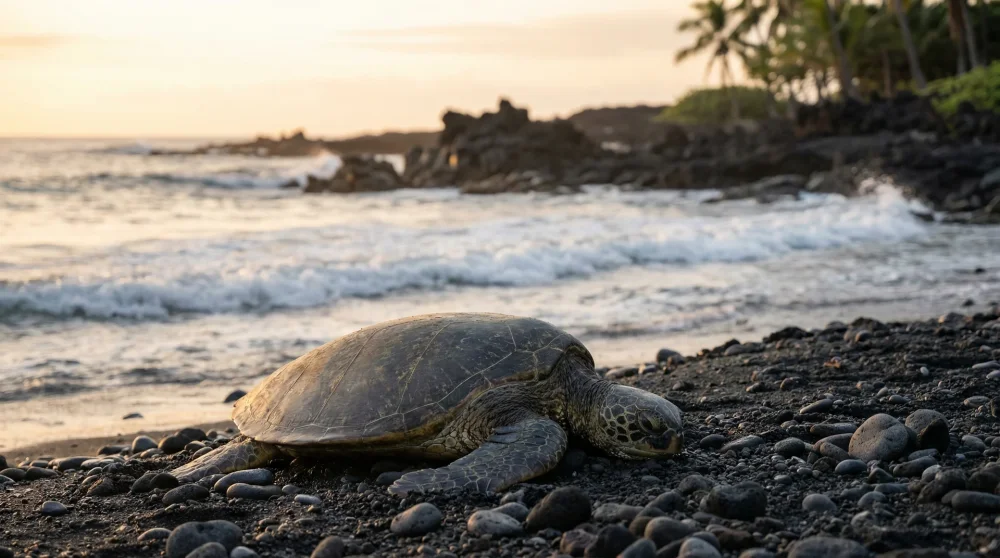
For many visitors, the highlight of Punaluʻu is the chance to see the endangered Hawaiian green sea turtles, known locally as honu. It is very common to find them resting on the warm black sand or swimming just offshore.
Seeing these majestic creatures in their natural habitat is a privilege, but it comes with strict rules. The turtles are a protected species. When they haul themselves onto the beach to rest, volunteers or lifeguards usually set up a rope barrier or signs around them.
You must stay at least 20 to 25 feet away from the turtles at all times. Do not attempt to touch them, feed them, or cross the roped-off areas. If you are swimming and a turtle approaches you, give it plenty of space. Respecting their habitat ensures they will continue to return to this beautiful beach.
Best Time to Visit and Parking Tips
Like most popular attractions in Hawaii, the early bird gets the worm. If you want a peaceful experience and the best chance of seeing turtles without crowds of people trying to snap photos, plan to arrive before 8:00 AM or wait until the late afternoon, around 5:00 PM. Midday brings large tour buses and packed parking lots.
There are two main access points for the beach:
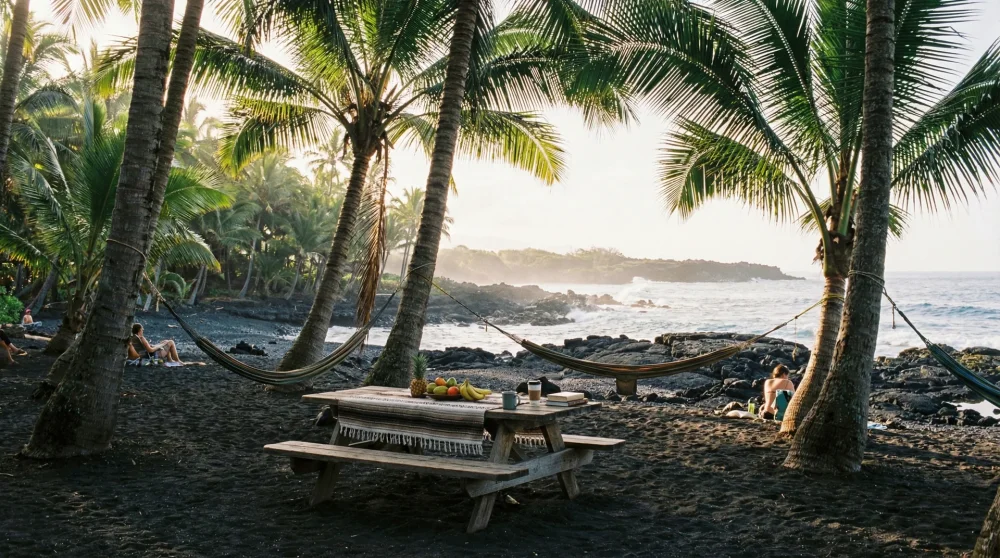
- The Southern Entrance: This is the main public area. It features a large, paved parking lot (which is free), clean public restrooms, outdoor showers to rinse off the black sand, and covered picnic pavilions.
- The Northern Entrance: This smaller access point has limited parking and is where you will find the souvenir stands and a local food truck. If you park further up near the abandoned resort buildings, be prepared to pay a flat parking fee of $15.
What Else to Know Before You Go
While Punaluʻu has more amenities than many rugged beaches on the Big Island, it still pays to be prepared. Here are a few final tips for your visit:
- Food and Drink: There is a snack truck near the northern entrance that sells drinks, snacks, and sometimes surprisingly good plate lunches like grilled mahi-mahi. However, if you plan to stay a while, bringing your own picnic lunch and plenty of water is a smart idea.
- Shade: There are many mature coconut palms lining the back of the beach providing excellent shade.
- Don't take the sand: It is considered highly disrespectful to Hawaiian culture (and it is illegal) to take volcanic rock or black sand from the beach. Leave the sand where it belongs.
- Make a day of it: Punaluʻu is conveniently located off Highway 11. It makes a perfect stop paired with a visit to Hawaiʻi Volcanoes National Park and a stop at the famous Punaluʻu Bake Shop in nearby Naʻalehu for some malasadas.