If you look at a map of the Bay of Bengal, you notice a tiny patch of green surrounded by vast ocean. This is North Sentinel Island, a place that fascinates the modern world precisely because it refuses to be a part of it.
You cannot book a ticket here, you cannot take a boat tour, and if you try to get close, you face severe legal consequences and extreme physical danger. It is home to the Sentinelese, the most isolated tribe on Earth.

Where is North Sentinel Island Located?
The island belongs to the Andaman and Nicobar Islands archipelago in the Indian Ocean. In terms of size, it is roughly as big as Manhattan, but entirely covered in dense, pristine rainforest. There are no natural harbors, and a ring of treacherous coral reefs surrounds the entire island. These reefs have acted as a natural fortress, keeping outsiders at bay and protecting the indigenous population from unwanted visitors.
To ensure absolute isolation, the Indian government established a strict exclusion zone extending 5 kilometers from the shore. The Indian Navy and Coast Guard continuously patrol these waters. If you cross this invisible line, you immediately commit a serious crime.
Who Are the Sentinelese People?
The Sentinelese are an uncontacted hunter-gatherer society. Because nobody can safely go ashore to take a census, population estimates are incredibly broad, ranging anywhere from 50 to 150 people.
They live entirely off the forest and the shallow coastal waters. From a distance, observers note that they build narrow outrigger canoes. They use poles to steer these canoes through the shallow reefs to catch fish and collect marine life. While media outlets sometimes inaccurately label them as a primitive society, they actually adapt to their environment continuously. For example, they salvage metal from shipwrecks stranded on their reefs, sharpening iron to create deadly tips for their arrows and spears.
They appear exceptionally healthy, proud, and fiercely protective of their home. Observers looking through binoculars from safe distances frequently report seeing many children and pregnant women, indicating a thriving, stable community.
Why is it Strictly Illegal to Visit?
The arrows are only the second most dangerous thing on North Sentinel Island. The primary reason you cannot visit is entirely biological.
Because the Sentinelese have lived in complete isolation for generations, they completely lack immunity to the common diseases that the rest of the world carries daily. A simple cough, the seasonal flu, or even a mild cold virus that you barely notice could trigger a catastrophic epidemic on the island. Introducing outside pathogens would likely wipe out the entire population in a matter of days.
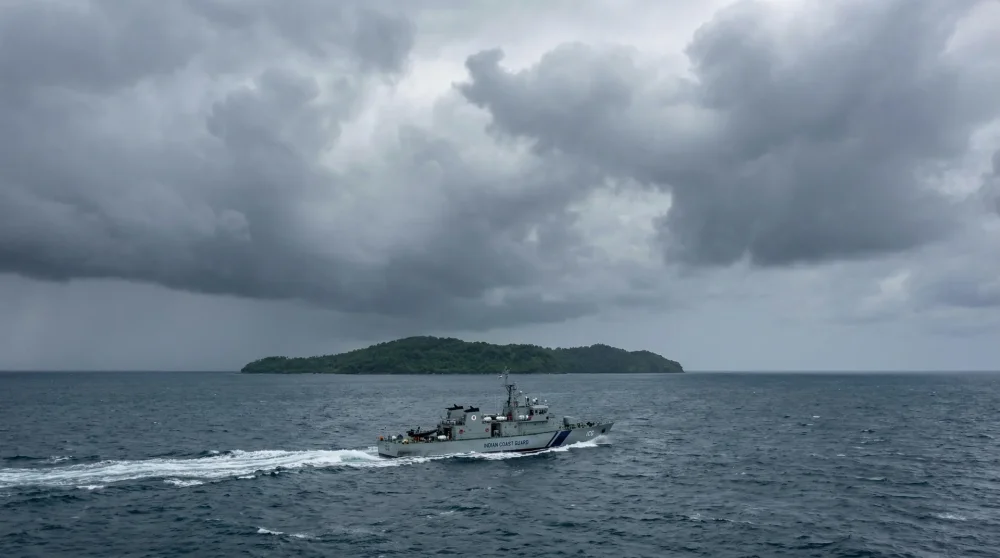
The Indian government enforces a strict hands-off policy. This is not just about keeping you safe from a volley of arrows, it is about preventing an accidental genocide. Protecting their isolation is the only guaranteed way to ensure their survival.
A History of Fatal Encounters
Every attempt to force contact with the Sentinelese has ended in disaster, deeply rooting a generational trauma that explains their extreme hostility towards outsiders.
The Early Kidnappings
During the British colonial era, a naval officer led a massive armed expedition onto the island. The tribe hid deep in the jungle, but the officers eventually captured an elderly couple and several children. The British took them to Port Blair in the name of science. Predictably, the uncontacted islanders immediately fell severely ill. The adults died quickly. The authorities then sent the sick children back to the island with gifts. We will never know how many Sentinelese died from the diseases those terrified children brought back, but this harrowing event permanently destroyed any chance of trust.
The Brief Peaceful Contact
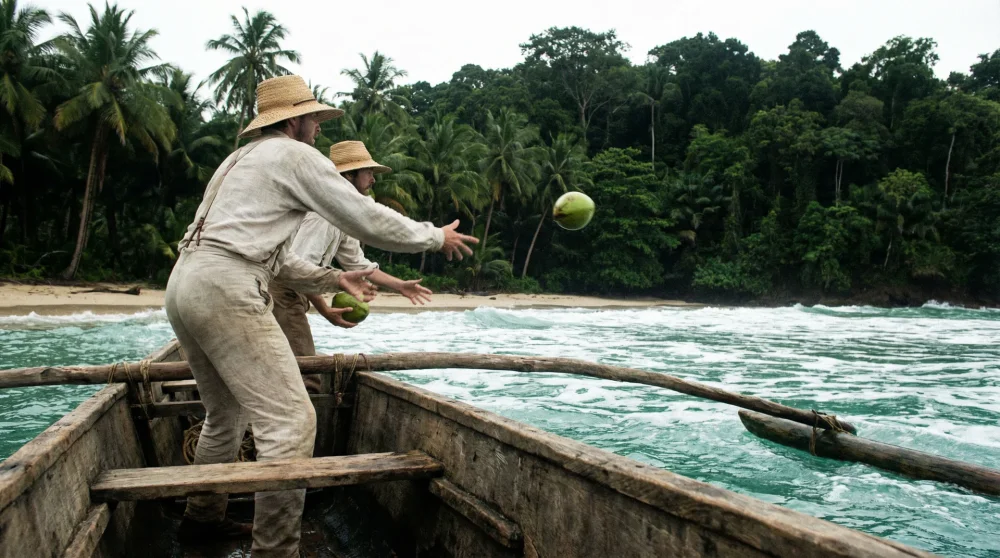
Decades later, an Indian anthropological team experienced a very brief, non-violent encounter. Officials approached the shallow waters and tossed coconuts into the surf. The Sentinelese waded out to collect the gifts without drawing their weapons. However, this fragile peace did not last. Subsequent visits quickly turned hostile again, with the tribe attacking boats with axes and arrows. The government eventually realized that even dropping gifts posed an unacceptable risk of disease transmission and permanently halted all contact missions.
The Modern Missionary Incident
In a highly publicized recent tragedy, an American missionary paid local fishermen to illegally smuggle him past the naval patrols. He waded ashore attempting to convert the tribe to Christianity. The Sentinelese fiercely rejected his intrusion, and he lost his life on the beach. This event sparked global outrage, but it also reinforced why the exclusion zone exists. The missionary not only broke multiple strict laws but also recklessly exposed the entire tribe to deadly pathogens.
Modern Threats and the Island's Future
Today, the biggest threats to North Sentinel Island do not come from official expeditions, but from illegal poachers and external development. Fishermen sometimes sneak into the restricted waters to dive for sea cucumbers and lobsters, risking violent clashes and spreading disease.
Furthermore, massive infrastructure projects on neighboring islands aim to drastically increase tourism and population density in the region. While North Sentinel Island remains strictly off-limits, bringing millions of people closer to their fragile ecosystem increases the risk of accidental contact.
The Sentinelese have made their choice incredibly clear: they want to be left alone. It is a highly intelligent survival strategy. For those of us looking from the outside, the best thing we can do for this unique, fascinating culture is to respect their borders and let them live exactly as they choose.