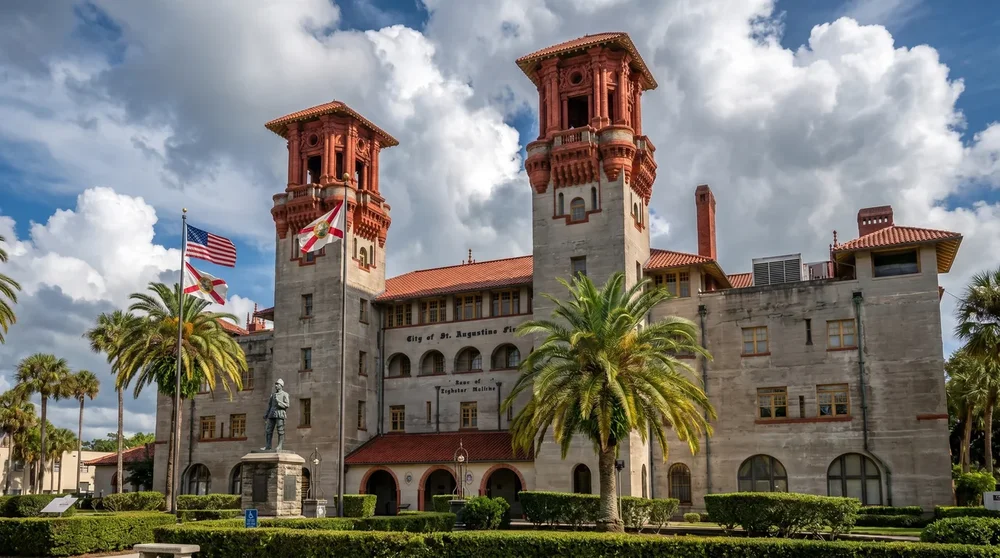
Imagine standing on the exact spot where General Sherman's March to the Sea finally ended. Fort McAllister State Park offers you a unique blend of well preserved Civil War history and serene coastal nature. Located just south of Savannah, this park is not just a museum; it is a living landscape where you can camp among ancient live oaks, fish in the Ogeechee River, and explore the earthworks that withstood seven naval bombardments. Whether you are a history buff tracing the final steps of the Civil War or a camper looking for a quiet escape on Savage Island, this guide covers everything you need to know.
- Location: Richmond Hill, Georgia (South of Savannah)
- Best Season: Spring and Late Fall (to avoid bugs)
- Pet Policy: Pets are welcome but must be leashed
- Camping Vibe: Quiet, shaded, nature focused
- Main Draw: The best preserved earthwork fortification of the Confederacy
- Entrance Fee: $5 parking pass required
- Museum Cost: $9 per person
The Historical Significance: Key to Savannah
Fort McAllister is unique because it was an earthwork fortification rather than a traditional brick fort. The sand and mud walls absorbed the shock of heavy cannon fire, allowing the fort to survive multiple attacks from Union ironclads. This resilience is what makes the site so fascinating to explore today.
When you walk through the park, you are walking through the final chapter of a major historical event. On December 13, 1864, General William T. Sherman ordered the capture of this fort to open the supply lines from the sea. The fall of Fort McAllister allowed Sherman to capture Savannah and present the city to President Abraham Lincoln as a famous Christmas gift.
What You Will See:
- The Earthworks: You can walk directly into the bunkers and bombproofs. Unlike many historical sites that are roped off, here you can enter the magazines and visualize the soldiers' experience.
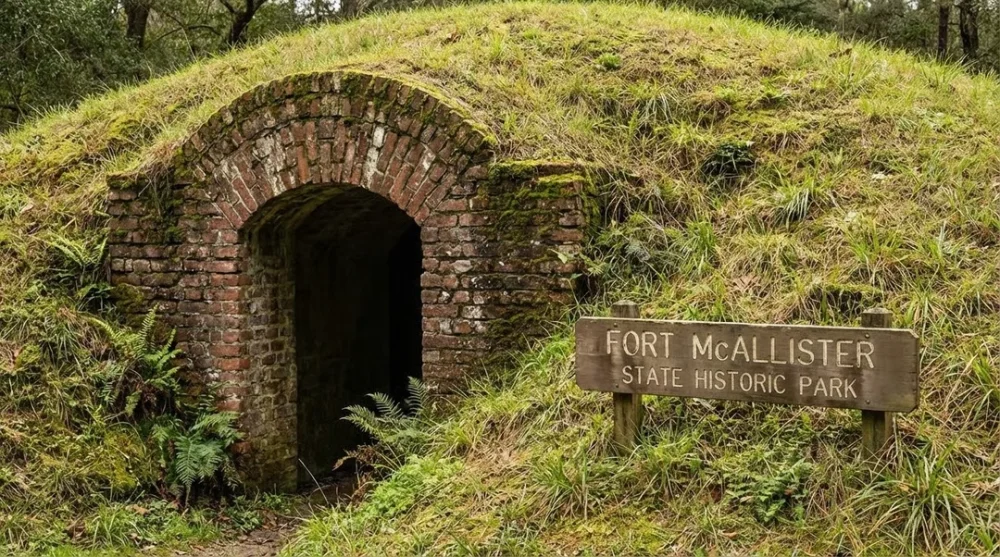
The Museum: A compact but dense collection of artifacts, including projectiles and tools found on site. It provides necessary context before you walk the grounds.
Civil War Reenactments: If you visit during specific events, the atmosphere changes completely with musket demonstrations and living history guides.
Savage Island Campground
The camping area is located on Savage Island, which you reach by driving across a scenic causeway through the salt marsh. This separation from the main day use area ensures the campground remains quiet and private.
RV and Tent Camping
The sites on Savage Island are known for being spacious and nestled under a canopy of live oaks draped in Spanish moss.
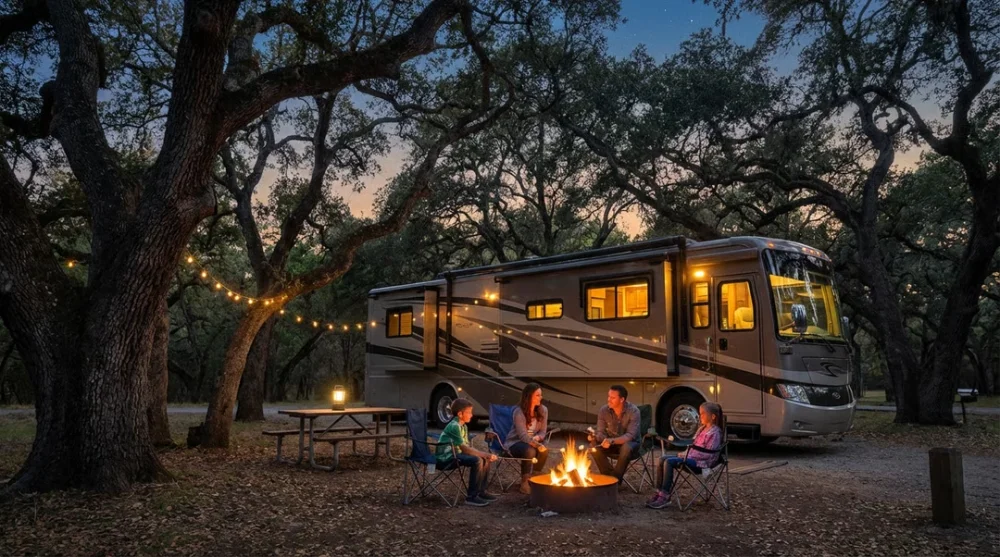
Site Selection Tips: Based on frequent camper feedback, the pull through sites are generally level and easy to navigate. However, if you have a large rig, be cautious of the trees.
Possum Trot Loop: This area offers excellent shade. Sites like #44 are highly rated for their privacy and views.
Hookups: Most RV sites offer water and electricity. A dump station is available centrally.
Tent Sites: The tent specific areas are elevated and have soil pads, making them more comfortable than sleeping on hard packed gravel.
Cabins and Cottages
If you prefer a roof over your head, the park offers cottages that sit on stilts above the marsh floor. These are perfect for families or those visiting during the hotter months who want air conditioning. They are fully furnished and offer screened porches where you can watch the sunset over the marsh without battling the insects.
Backcountry Camping
For a more rugged experience, you can hike to the backcountry sites. These are secluded and situated near the Redbird Creek Trail. Keep in mind that amenities here are minimal, so you need to pack in all your water and supplies.
Critical Warnings for Visitors
To ensure you have a helpful and positive experience, you must be prepared for the realities of the Georgia coast.
The Bug Situation: You cannot ignore the insects here. In the warmer months, and especially when the wind dies down, gnats (often called no see ums) and biting flies can be aggressive.
Pro Tip: Standard bug sprays often fail against gnats. Look for repellents specifically designed for gnats or those containing natural oils like vanilla or cedar, which locals swear by. Screened tents are highly recommended for campers.
Wildlife and Raccoons: The wildlife here is abundant and unafraid. You will likely see deer grazing right next to your campsite. However, the raccoons are incredibly clever and relentless.
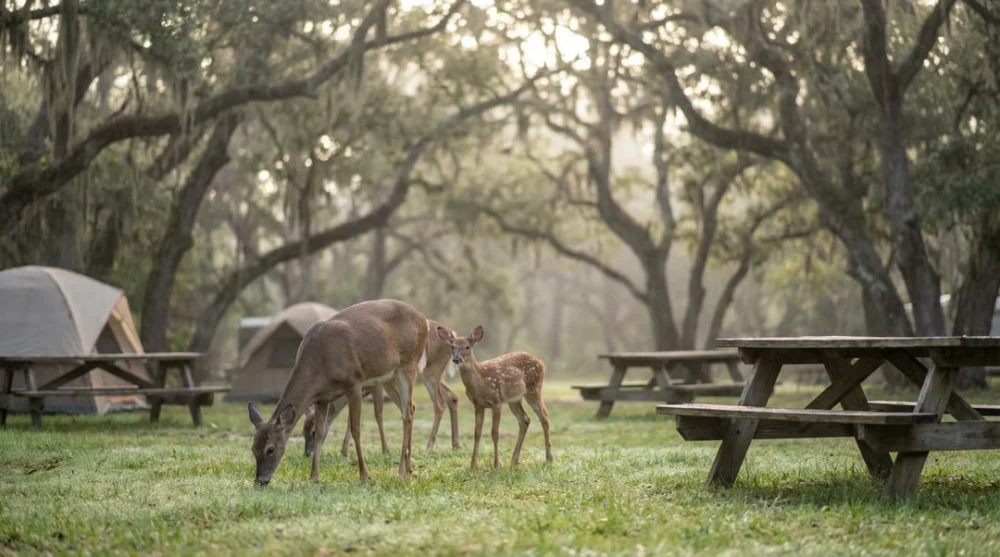
Food Storage: You must lock all food in your vehicle or a raccoon proof container. They can open coolers and unlatched boxes. Never leave trash bags outside overnight.
Road Conditions for Big Rigs: The road into the campground is paved but narrow in spots. The ancient oak trees are beautiful but their low hanging branches can be a hazard for tall fifth wheels and Class A motorhomes. Drive slowly and have a spotter check overhead clearance when backing into your site.
Activities and Amenities
Trails and Nature: The Magnolia Trail and the Redbird Creek Trail offer easy to moderate hiking options. These paths take you through maritime forests and along the water's edge. It is a fantastic area for birdwatching, so bring your binoculars.
Boating and Fishing: There is a boat ramp providing access to the Ogeechee River. Fishing from the pier is popular, and you can catch blue crabs or various saltwater fish. If you have a kayak, paddling Redbird Creek is a peaceful way to see the marsh up close.
Dining Nearby: If you do not feel like cooking, Fish Tales restaurant is located just outside the park entrance at the marina. It is a favorite among campers for fresh seafood and drinks, offering a nice break from camp food.
Getting There and Logistics
Fort McAllister is located at the end of Fort McAllister Road in Richmond Hill.
Late Arrival: If you plan to arrive at the campground after the office closes, you must call ahead to get the gate code. The gate remains locked at night to ensure the safety and privacy of campers.
From I-95: Take Exit 90 and follow GA-144 East. The route is well marked, but be ready for a slower drive as you approach the residential and historic areas.